

Have A Basement Bedroom? Here's What The Law Requires You To Have
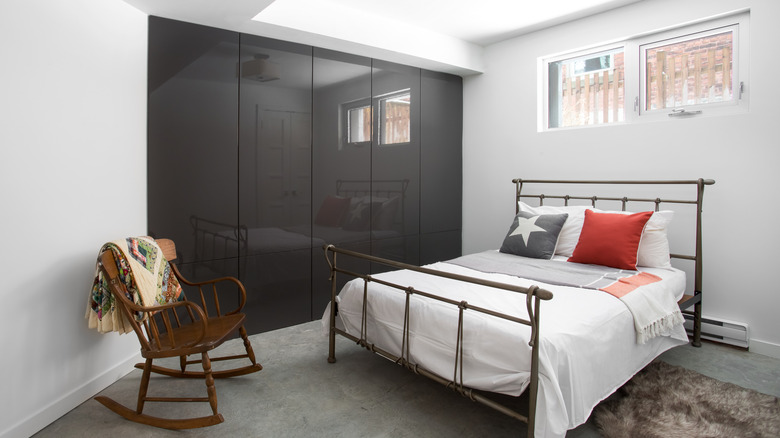
Basement bedrooms are one of the top basement upgrades with the best return on investment. If you're considering adding one to your home or renting one, then knowing what these rooms require by law will be important. For renters, understanding these regulations will help you avoid unsafe properties where your life could be at risk during an emergency. Homeowners not complying with these regulations may face fines or other consequences if someone is injured (or worse) on their property. While some states and municipalities have their own building codes and rules, these general guidelines should help you get started.
The most important regulation for bedroom basements concerns the egress windows and how to install them. Egress translates to "a way out," and it means that these bedrooms must have doors or windows that allow people to escape in the event of an emergency, such as a fire. These windows must measure 24-by-20 inches in height and width and have 5.7 square feet of net opening area for windows above grade and 5 square feet for those below grade. The windowsill must be at 44 inches above the ground. If it's any higher, then a built-in ladder or steps must be installed. Few bedrooms have doors that go directly outside, but if that's your basement bedroom, then the egress door must be at least 78 inches tall and 32 inches wide. Doors that open to other rooms are not considered egress.
Having an emergency escape plan is also important for basement bedrooms. All occupants must know how to exit the building safely. Anyone sleeping or living there must know how to open windows if an emergency happens. Installing emergency lighting might also be a good idea if the basement is particularly large.
Other important basement bedroom regulations
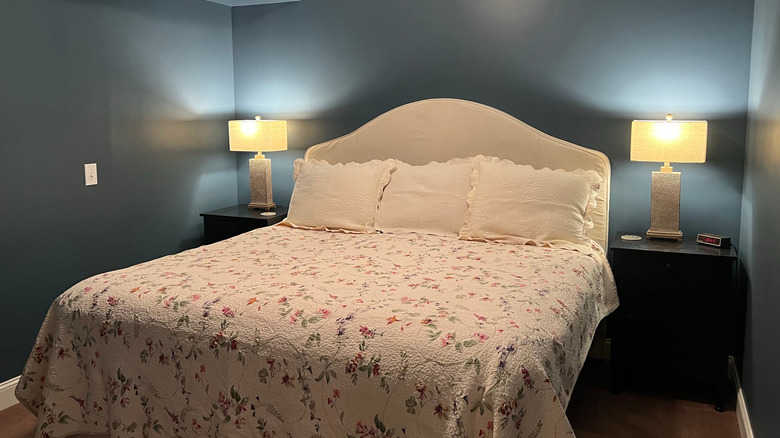
There are other regulations for these bedrooms and remodeling a small basement. For example, the ceiling height must be at least 7 feet for all habitable spaces. This likely won't be a problem for newer homes, but older ones may run into issues. You might consider trying to raise the ceiling in some way or lower the floor. To be certain of your area's standards, contact the building department in your city. Don't forget smoke detectors on those ceilings! You'll need one in the bedroom and in other rooms throughout the basement.
Basement bedrooms also need good insulation and ventilation. This will regulate temperatures and prevent moisture from building up and causing mold to grow. Exposed walls must be insulated, following local energy code requirements. You may also need to install mechanical ventilation if opening the windows won't suffice for natural ventilation.
Electrical outlets and wiring will also need to be up to code. Most regulations state that outlets must be installed every 6 to 12 feet on the walls. Most bedrooms won't need ground-fault circuit interrupters, which cut off electricity when moisture is present, but if the basement is prone to flooding, then they might be needed. If you're unsure, work with a licensed electrician. He or she will know your local building codes and be able to help you stay on top of important regulations.