

Give These Perennials A Hard Prune In April For Bountiful Blooms
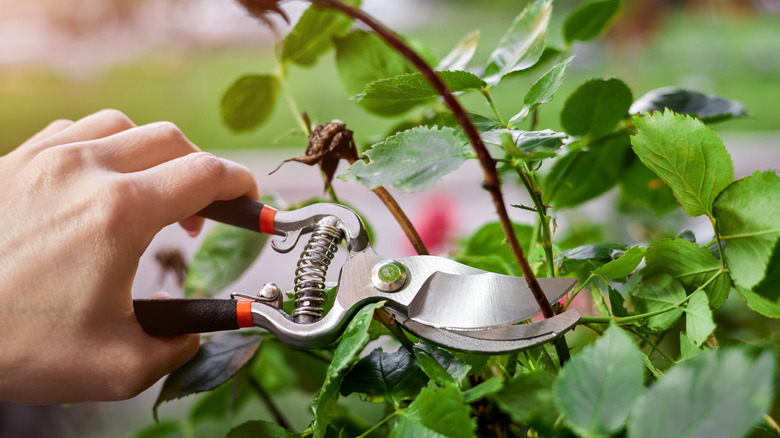
To get the garden looking ready for the spring season, one important task on every gardener's "to-do" list is pruning perennials. As a professional gardener with over a decade of experience specializing in organic flower garden design and maintenance, I regularly do spring cleanup for clients. And one of the things I make sure to complete after raking is done is trimming back perennials that still have last season's growth on them. April is a good time to prune many perennials because they're moving out of dormancy and beginning to show new growth. This new growth makes it a bit easier to prune because you can clearly see the difference between old growth and new growth, allowing you to prune carefully and avoid damaging the plant.
Be sure to use the right tools for all pruning in spring. I use a pair of sharp bypass pruners to get clean cuts. A small pair of snips can work for plants with slender stems. Also, clean your pruners frequently to help prevent spreading any fungus or bacteria between plants. Some stems that have dried thoroughly and become hollow might be easy to remove without tools if you pull at them gently, but if they're resistant, definitely cut them to avoid injuring the plant
There are many perennials that benefit from cutting back in April, which is when fresh growth begins to emerge on most perennials. This is especially true for perennial plants that have woody stem growth, including garden phlox, false indigo, sedums, chrysanthemums, and asters. For gardeners who practice pollinator-friendly gardening, keeping stems intact over the winter can help shelter various bees and pollinating insects. Once the last frost date passes, it's safe to prune all summer flowering plants. Below I've gathered a few sun-loving and shade-loving perennials that do best with a hard prune in April to help them thrive.
Shade perennials to cut back in April
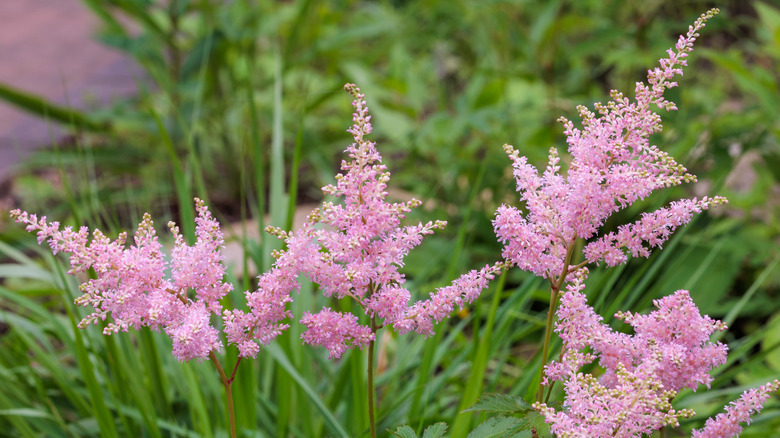
Astilbes are a colorful, reliable shade perennial that flower in late spring through mid-summer. Many gardeners leave astilbes intact through the winter because the dried flower stalks add interesting texture in the garden. But once April arrives, it's time to cut these flower stalks back to make room for new growth. Just cut them back to 1 or 2 inches to allow the new flower stalks to replace the old ones. The leaves of astilbe normally die back in winter, but you should also carefully remove any old foliage from the plant where new growth is emerging.
Many gardeners leave coral bells (Heuchera) alone until spring because the leaves offer the plants important winter protection. Coral bells thrive in morning sun and afternoon shade to help the foliage colors stay vibrant. When new foliage starts to emerge, usually in late March to mid-April, it will normally be small leaves with noticeable color sprouting from the middle of the plant. Carefully snip off any damaged or discolored outer leaves from the previous season as well as any remaining flower stalks. This will leave plenty of room for the new growth to fill in.
Lady's mantle (Alchemilla mollis) has cheery lime-green flowers that appear in late spring and last for weeks. This plant does best if it's left intact over the winter; the foliage helps protect the plant crown from potential winter damage. But in April, you'll want to remove the old growth as soon as new growth starts to appear. Use snips to cut back any dead or damaged leaves.
Sun-loving perennials that benefit from hard pruning in April
Coreopsis (also called tickseed) is a vigorous sun-loving perennial that likes a good hard prune in spring. The stems tend to dry out and turn slightly woody over the winter, so they can often be cleared off by using your gardening gloves to pull at them gently. You can also use pruners to cut the stems. These summer bloomers also benefit from light deadheading in summer after the first round of blooms fades.
Yarrow (Achillea millefolium) is a sturdy perennial that produces flowers loved by pollinators. The flat flower heads are also full of seeds, so some gardeners leave them alone for the winter to provide a food source for birds. The stems and flowers can look quite messy in spring until new growth appears, so give them a good hard prune in April to remove any and all dead leaves and stems.
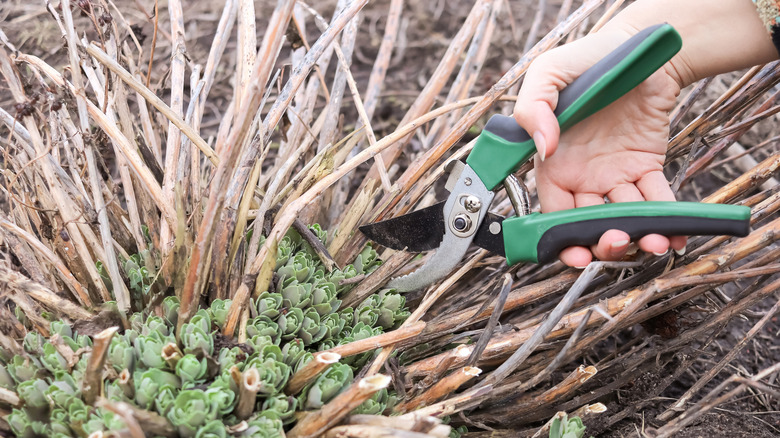
Sedums are robust and reliable perennials that offer four seasons of interest in the garden. The stems and flower heads of the larger, upright varieties look great in a winter garden and provide cover and perching spots for birds. In April, the small cabbage-like buds emerge, so removing the spent stems will give them room to grow and make the plant look fresh and neat. Creeping sedum ground cover varieties also benefit from being pruned in spring; just snip back the stems to 3 or 4 inches long to encourage new growth.