

15 Heirloom Seeds To Grow In Your Garden
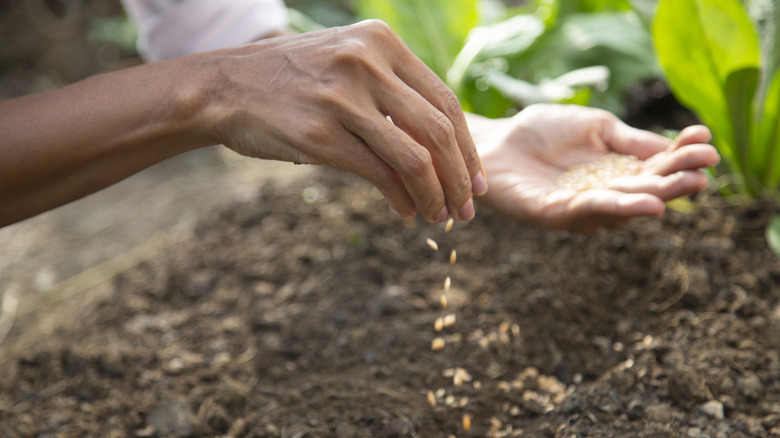
I've been playing in the dirt and growing stuff for as long as I can remember, and I've been a master gardener for two decades. I'm a permaculture specialist, so heirloom seeds are always my first choice. Heirloom seeds are open-pollinated, non-hybrid varieties that are at least 50 years old. Most are much older. They're prized for their flavor, character, resilience, and variety. But, most importantly, they grow and reproduce "true," meaning that they produce viable seeds that reliably grow into new plants exactly like the parent plant. Therefore, you can save your own seeds or let the plants self-seed and get new plants every year, like 'True Lemon' cucumbers, 'Cherokee Purple' tomatoes, 'Mammoth Russian' sunflowers, and 'Sea Shells' cosmos. Hybrids, on the other hand, don't produce seeds true to the parent plant, so you may end up with seed that won't germinate, is weak, is unlike the parent plant, or will not flower or fruit.
When you grow heirloom seed, you're also participating in preserving plant cultivars that have potentially been around for centuries. I'm actually part of a seed savers club, where we grow and save seed from at-risk heirloom varieties, and I love being part of this kind of active preservation. Plus, I've stumbled across some amazing plants that are now regulars in my vegetable garden. The other reason that I use and recommend heirloom seeds is that many of them just taste better, look more interesting, or do something more useful than their modern counterparts. Modern commercial plant breeding has prioritized shelf life, uniformity, and transportability, which are all great for grocery stores and florists, but not really relevant to the home gardener. Heirlooms, on the other hand, have been selected over generations for flavor, productivity, and adaptability.
'Cherokee Purple' tomatoes for flavor that justifies the fuss
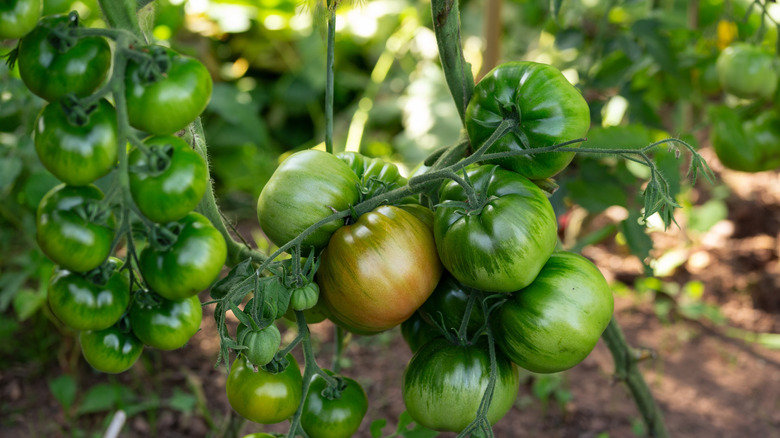
A pre-1890 indeterminate beefsteak tomato, 'Cherokee Purple' is an heirloom variety that I really love. It's got a dusky, rose-purple skin and dense, brick-red flesh. The shoulders stay a little greenish, which can confuse people new to the variety regarding when to harvest. It has a fantastic sweet, deep earthy flavor that most modern cultivars cannot come close to, especially those nasty, watery grocery store ones. The tomatoes are large, firm, and slice well.
To grow these from seed, sow them about 8 weeks before your last predicted frost in well-draining seed starting mix. Keep them at around 70 degrees Fahrenheit to get them started. Then, once all danger of frost has passed and night time temperatures are consistently above 50 degrees, harden them off and plant them outside in nutrient-rich, free draining soil. Because 'Cherokee Purple' is an indeterminate tomato type, you'll need to stake it or add a tomato cage early, ideally at planting out time, so you can support the plant as it climbs. This is a vigorous tomato and will reach six feet if you don't nip out the growing tip. They need a fairly long season, taking 70 to 90 days to produce fruit from the time you transplant them outside.
'Kentucky Wonder' pole beans for a high-yield climbing crop
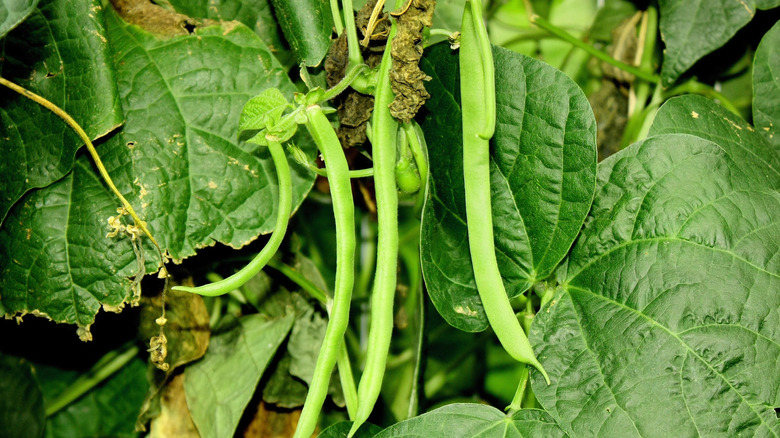
These pole beans have been a for American families since at least the 1850s. They were officially released commercially as 'Kentucky Wonder' by James J. H. Gregory & Sons in 1877. However, these beans had been growing in gardens across the country for many years prior, under names like 'Texas Pole' and 'Old Homestead'. These pole beans are vigorous and prolific, growing fairly substantial pods that can reach up to 9 inches long. They're also stringless when they're young and have a good, meaty texture and nice, nutty flavor. If you pick these beans regularly, they'll keep producing right through to the first frost, making them a reliable long-season producer.
Plant them about an inch deep in large cells or small pots about 6 weeks before the last frost to give them a good head start. You can also direct sow them outside after the last frost if soil temperatures are above 65 degrees Fahrenheit. Remember they're pole beans, so once they're planted in the final growing spot, they'll need something to climb. I have a permanent bean bed with a cattle panel arch for the beans to scramble over. I love walking through the leafy tunnel to pick beans all summer. Just make sure you keep harvesting every two or three days to maximize your yield. If you stop harvesting and let too many beans get overly mature, it signals to the plant that it should stop producing.
'True Lemon' cucumbers for a prettier, more unusual harvest
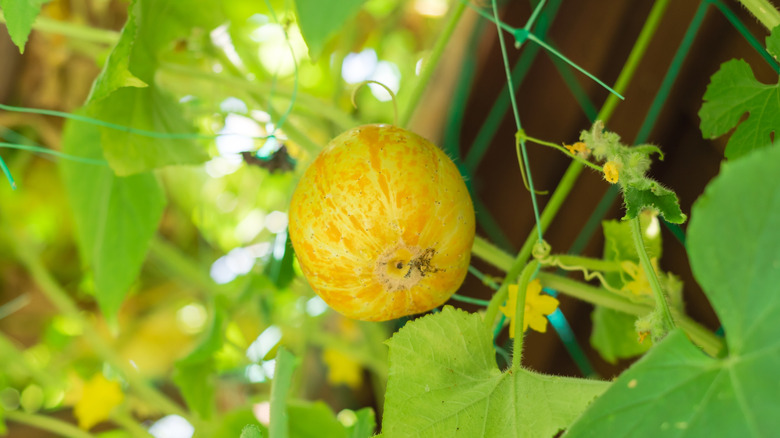
Fairly prolific and super satisfying to grow, 'True Lemon' cucumbers look a little strange but taste lovely. They only get to around the size of a lemon, but they've got a nice flavor that lacks the bitterness of many cucumber varieties. Plus, this particular heirloom variety is much-loved for its thin skin. Round yellow cucumbers seem odd when you're used to the long, thin green ones, but they really are lovely in salads. I also freely admit that I grab these off the vine and bite into them like an apple. They are also great for pickling.
I plant my cucumbers in little pots, pretty much like the pole beans above. Yes, you can direct sow them outdoors once the soil has warmed, but I prefer to get them growing early to extend the harvest season as much as possible. Plus, if you're in a cooler climate, you may want to grow these in a greenhouse to get a decent harvest from them. Cucumbers are also climbers, so you'll need to give them canes, cages, trellises, or a wire frame to scramble over. Just make sure you harvest regularly and while the cucumbers are about the size of a lemon. The idea is to pick them before the seeds get too mature and the skin gets tough. And, just like the 'Kentucky Wonder' beans, picking regularly keeps the plant producing, but overripe cucumbers remaining on the vine tell the plant to stop.
'Moon and Stars' watermelon for edible drama
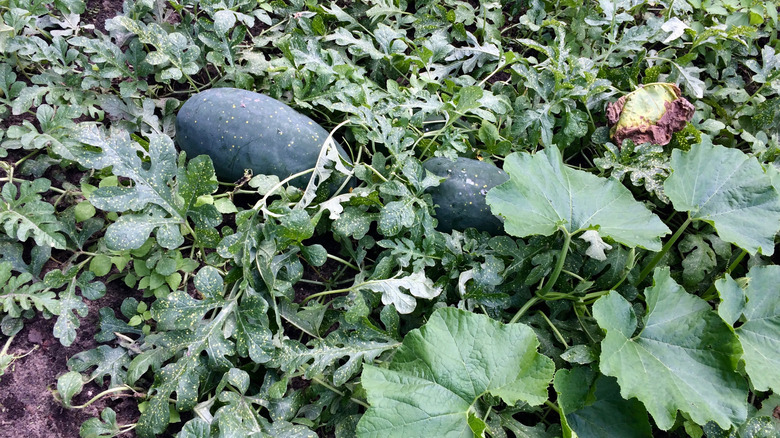
The fruits of the 'Moon and Stars' watermelon have dark green oval rinds that are covered in little yellow "stars" with usually one larger yellow orb that serves as the "moon". You also get that same star-speckled pattern on the foliage. It's truly a beautiful plant. And I adore plants that are both lovely to look at and productive. You get the best of both worlds that way. This is an interesting variety, first sold commercially in 1926, almost lost in the 1970s, and reintroduced in the 1980s when Merle Van Doren shared the seeds with Seed Savers Exchange.
The fruits range from 10 to 50 pounds, depending on the growing conditions, and, because of their size, need a long growing season of 95 to 100 days. You'll want to start this indoors in all but the warmest climates so that the plant is already growing steadily by the time the last frosts have passed and its safe to put them outside. You'll also need to give these plants plenty of space to trail and set their big fruits as well as watering them to ensure lots of sweet watermelons. Many people grow them hill-style, with 3 to 5 plants per hill, and hills spaced 6 to 8 feet apart. The trick with this particular variety is knowing when it's ripe. Unlike other watermelons, the skin of 'Moon and Stars' doesn't change color so obviously. A better indicator is that the tendril closest to the melon on the vine dries up and goes brown. At that point, gently roll the melon and check the patch resting on the ground. If it's ripe, it'll have changed from white to cream or pale yellow.
'Black Beauty' zucchini for dependable summer production
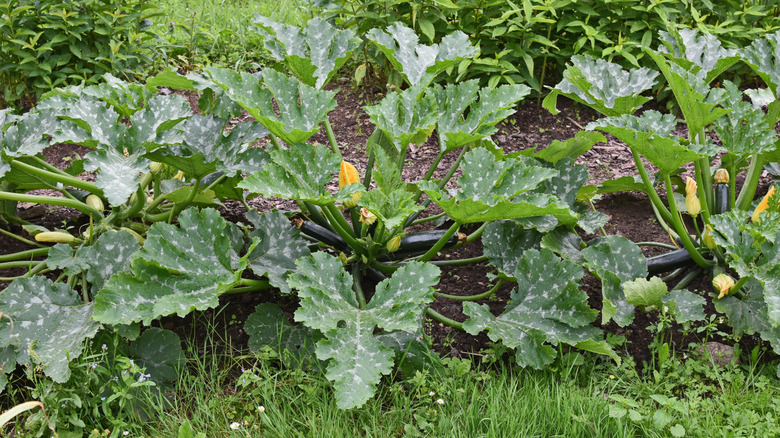
This one has been my go-to zucchini for many years. 'Black Beauty' is a comparatively compact bush type that produces large numbers of thick, glossy, very dark green zucchini with minimal fuss. Admittedly, it's not the flashiest plant, even for a zucchini. The yellows and the bright green round cultivars probably take that crown, but 'Black Beauty' performs reliably and consistently, which is why it's been a stalwart favorite of home growers around the world since it was introduced commercially in the 1920s.
They are frost-tender, so they shouldn't go outside until after the last frost, but if you've started them off indoors, it won't be too long after transplanting that you get your first fruits. Because they are fairly prolific, it's important that you pick 'Black Beauty' while they are young, so they don't toughen up, get gigantic, and basically turn into tasteless marrows. In good conditions, you'll likely be harvesting every day or two. And you may need to get creative so you use the whole glut. During the peak of harvest season, I find myself grating them and adding to meatloaf, making zucchini muffins, and trying all kinds of recipes.
'Mammoth Russian' sunflowers for height, pollinators, and seedheads
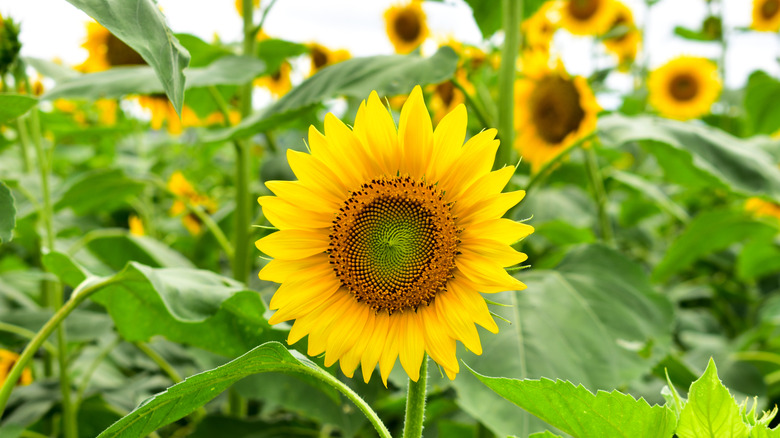
Sunflowers are always gorgeous, and 'Mammoth Russian' sunflowers are just ridiculously fabulous. Every year, they fill me with a childlike wonder. These behemoths can reach 12 feet tall and their flowers get to about 14 inches across. This heirloom variety is huge, sturdy, and reliable. Its fantastically sunny flower attracts pollinators from far and wide and, when it finishes blooming the head contains hundred, or possibly thousands, of seeds. You can harvest and roast them yourself, or leave them for the birds to devour over the fall and winter. I do both. I grow enough that I can harvest half, because I adore sunflower seeds, and the other half stay in place for the birds to enjoy.
One of the many, many reasons I love sunflowers in general, and 'Mammoth Russian' specifically, is that this particular heirloom and lots of other sunflowers, are brilliantly effective phytoremediators. This means that they pull toxins, including heavy metal contaminants, from the soil and water via their roots. Now, obviously, as a permaculture specialist, this feature makes them super-appealing to me. They draw up the harmful substances and, depending on the contaminant, turn it into less damaging components or store the contaminants in their tissues. If you are growing big sunflowers for their decontamination abilities, I strongly recommend you do not eat the seeds. You'll also need to remove the plant at the end of the growing season and bag it for disposal to stop the accumulated contaminants being released back into the environment.
'Empress of India' nasturtiums for edible color in tight spaces
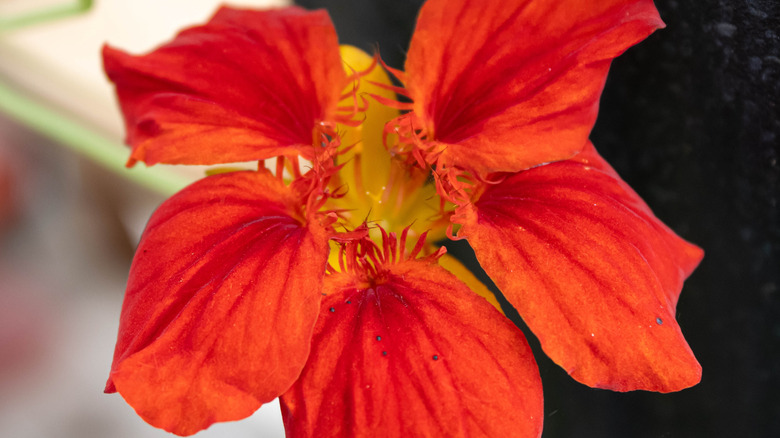
A Victorian-era heirloom nasturtium, 'Empress of India', is another plant that does multiple things in the garden. As you can probably tell, I love a multifunctional plant. These nasturtiums have a fairly compact growth habit and don't sprawl like many other species. This particular species works well to bring a burst of dramatic color to the front of a border as a purely ornamental addition. It has deep green-purple foliage with vivid scarlet to crimson flowers.
I did say it was multi-functional, not just ornamental. And it is. Nasturtiums are fantastic insect pest deterrents and aphid trap crops. Aphids cannot resist them and will usually swarm them instead of other plants, so place them strategically a little away from plants you want to protect from aphid invasions and just accept you're basically sacrificing the nasturtiums. Their other primary use is that they are edible. The flowers and leaves are both edible, but it's the flowers I really adore. They look fantastic in a summer salad, and they are wonderfully peppery. Keep them blooming for longer by deadheading them regularly through the summer so they keep putting out new blooms.
'Radio' calendula for a flower that is actually useful
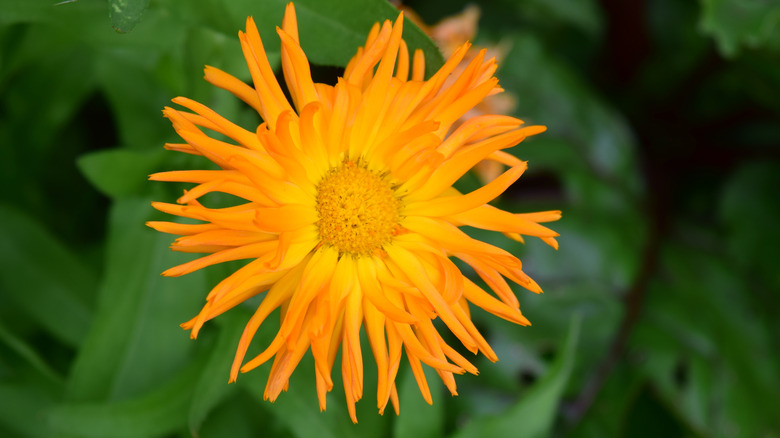
Introduced in the 1930s, 'Radio' calendula has distinctive quilled orange petals that sort-of curl into pointed tips instead of laying flat like most other cultivars. So it has a super-interesting sculptural look in a summer border. Also known as a type of pot marigold, it's quirky and a little dramatic. It has a long bloom season and tends to happily self-seed so it's a nice choice for cottage gardens and informal border plantings. And, like nasturtiums, calendula is edible and is a fabulous addition to salads. You can also try baking the petals into cookies and muffins or adding them to frosting for an interesting splash of color and flavor.
Calendula also has well-documented anti-inflammatory properties, and the petals infused into oil produce a soothing base for salves and balms to soothe inflamed skin. You can save yourself money by learning to make a simple preparation from your harvested flowers. And you can dry the flowers for a soothing, tasty herbal tea, too. And, if you dry them in a single layer in a warm, well-ventilated spot, they'll keep their lovely orange color. Calendula is a staple in my garden as it's one of many plants with medicinal properties, and I have plenty of 'Radio' calendula dotted about because I love its slightly chaotic look.
'Love-Lies-Bleeding' amaranth for texture you cannot fake
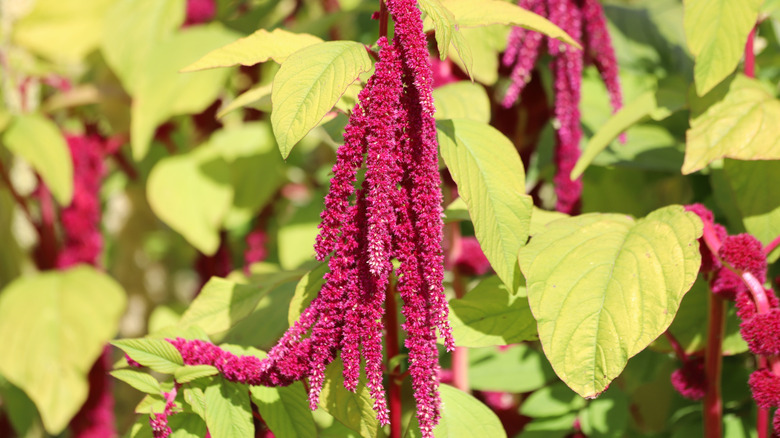
This ancient grain is dramatic, textural, and edible. 'Love-Lies-Bleeding' amaranth produces these long, drooping, deep crimson tassels that can get up to two feet long by late summer. This particular heirloom cultivar really is something special to behold and can grow to around 9 feet tall. It's easy to grow and reasonably tolerant of most conditions. It prefer moist, well-drained soil and full sun to reach its full potential.
Those gorgeously colorful tassels are full of teeny-tiny seeds that you can harvest and eat. They're mild and nutty and you can toast them, pop them, add them to porridge, grind them to flour, or pop then mix with chopped nuts and honey and bake into tasty little snack bars. Harvesting the seed is a fun activity you can do with the kids. You have to winnow the tassels to get the seeds and remove the papery debris. Once the tassels change to a deep burgundy or start to go brown, they should be heady to give you their seeds. choose a day when there's a little breeze, cut a few tassels, and bang them into a bowl to get as many of the seeds out as you can. Then rub the remainder of the tassel to get the rest of the seed into the bowl. Then you need to kinda shake and flip the contents of the bowl, as if you were flipping a pancake, so the chaff gets blown away by the breeze, and the seeds fall back into the bowl. Repeat until all the debris is gone.
Moonflowers for evening scent and after-dark interest
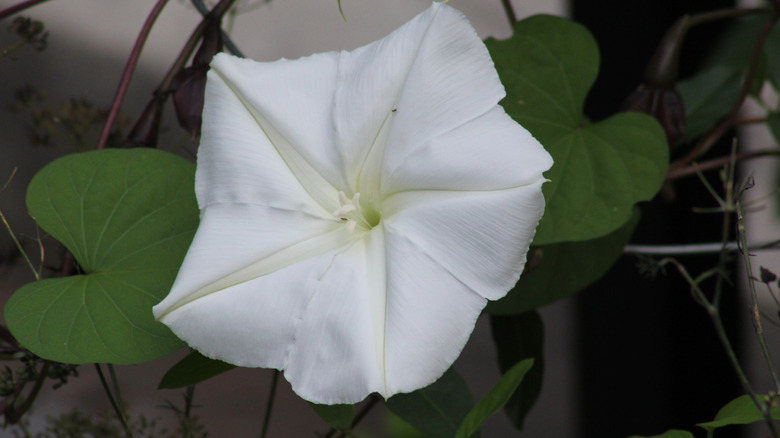
Not to be confused with a small bush that is also commonly called moonflower (Datura stramonium), this moonflower (Ipomoea alba) is a vining plant that is truly something special. It has pure white flowers that can reach 7 inches across and are almost luminous. But what makes them so awesome is that they open in the evening, as daylight starts to fade. As they open, they bring a sweet, lemony fragrance to the evening air. And they close again as dawn arrives. If you spend time outdoors on summer evenings, plant some moonflowers in your space. This is a fast-growing vine that can grow 10 to 15 feet in a year, so make sure you give it a trellis or something to climb, and be aware that you'll probably need to keep it in check.
If you want to grow moonflowers from seed, be aware that you must nick, or scarify, the hard outer coating of the seed, or no matter how attentive you are, they simply won't germinate. Just don't accidentally cut the little pointed bit which is where the embryo is waiting to burst forth. And do note that this plant is slightly toxic to cats, dogs, horses, and humans, so if you have pets or littles that put everything in their mouths, this is probably one to skip.
'Sea Shells' cosmos for an airy, cut-flower finish
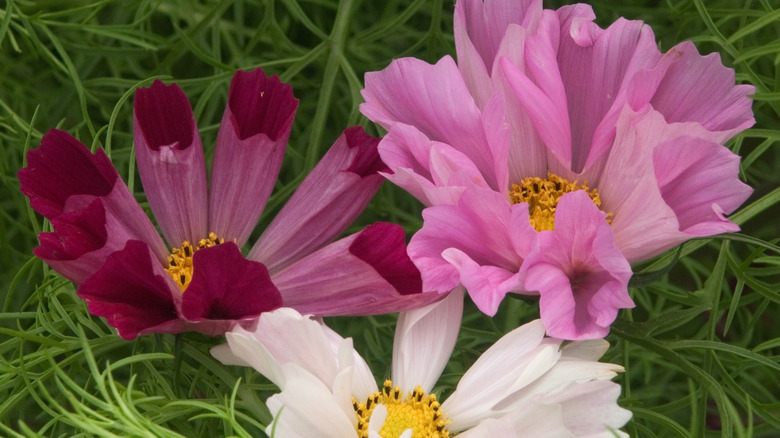
Blooming right up until the first frost if you keep deadheading it, 'Sea Shells' cosmos are very attractive to pollinators. They have lovely, interesting fluted petals that remind me of those vintage foil cone Christmas baubles, with the way they curl into tubular cones or trumpets instead of laying flat. The foliage is pretty, light, and feathery.
The overall look is unmatched by flat-petaled cosmos. This heirloom cosmos is very easy to grow and self-seeds reliably. Those pretty quilled petals also hold up better as cut flowers than the flat-petaled types. Generally, 'Sea Shells' stems last around 5 days in fresh water if cut just as the buds are ready to break. 'Sea Shells' cosmos will grow in poor soil and doesn't need staking or feeding. It's drought-tolerant too, so you won't even need to water it after it establishes its root system.
'Blue Boy' bachelor's buttons for easy cottage-garden color
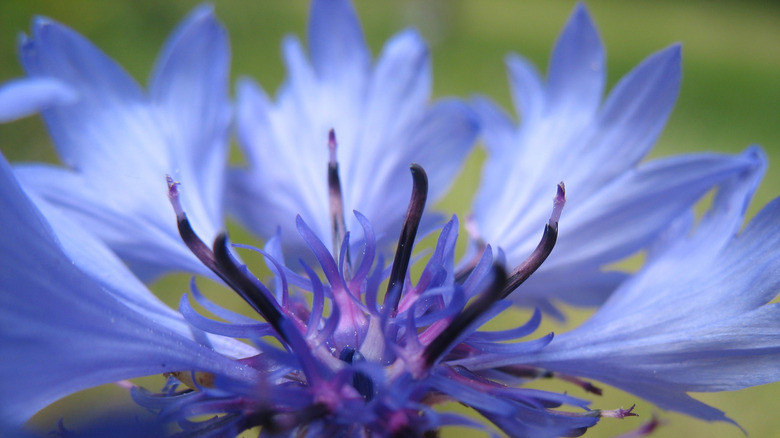
This lovely vivid blue heirloom bachelor's button grows easily, even in harsh, lean, and dry environments. 'Blue Boy' bachelor's buttons are a fun, self-seeding annual that give you intensely cobalt blue double flowers on stems that can reach three feet. They flower from early summer through fall. It can also handle light frosts, so it can be planted earlier and lasts longer than many other similar annuals. 'Blue Boy' self-seeds eagerly, so it comes back every year with no effort from you.
Maximize the blooming season by deadheading or using the stems as cut flowers. They look lovely in arrangements with white flowers or silver foliage. To make sure it seeds for the following year, don't be too greedy. Leave at least a few stems to run to seed and let them sit over the winter. 'Blue Boys' are loved by bees and other pollinators and their early and late blooming makes them particularly valuable, as they provide lots of food while other flowers are only just getting started.