

The 12 Best Filler Plants For Eye-Catching Flower Pot
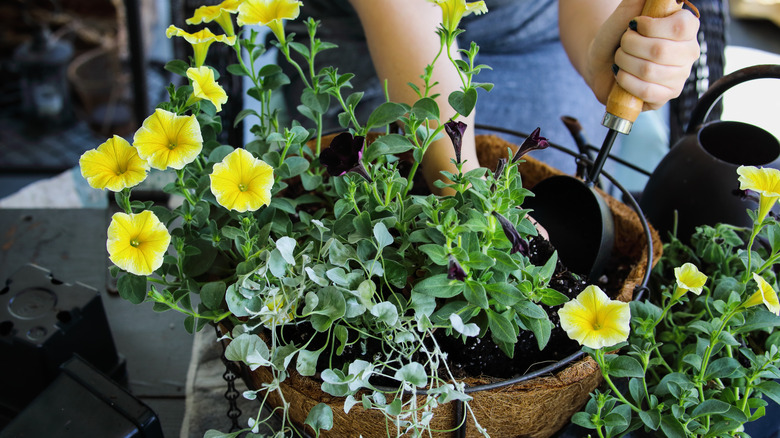
When it comes to getting your container garden ready for the growing season, you may find yourself at a loss for deciding which plants to include. After all, with thousands of options, knowing the best plants to grow in a pot this year isn't always easy. Fortunately, there is a simple formula for designing container gardens that makes the planning phase a breeze: picking thriller, filler, and spiller plants for your pot or planter. If you're looking for the right filler plant to complete your trio, there are several options to choose from, including flowers and herbs.
Not knowing the difference between these three kinds of plants is one of the biggest mistakes you can make when container gardening. Thriller plants are the showstoppers, those tall, eye-catching plants that bring the flair and drama. Spillers, on the other hand, draw the eye downward, adding texture as they spill over the sides of your container. And fillers — those plants like basil, columbine, or honeywort — fill in the middle layer, ensuring a full, lush look for your container.
When choosing the best filler plants for an eye-catching flower pot, it's essential to consider what thrillers and spillers you want to include. After all, when growing in a single container, these will need to be companion plants that tolerate the same growing conditions, whether you're curating a potted plant trio to attract butterflies or simply designing an aesthetic garden combo.
Snapdragons
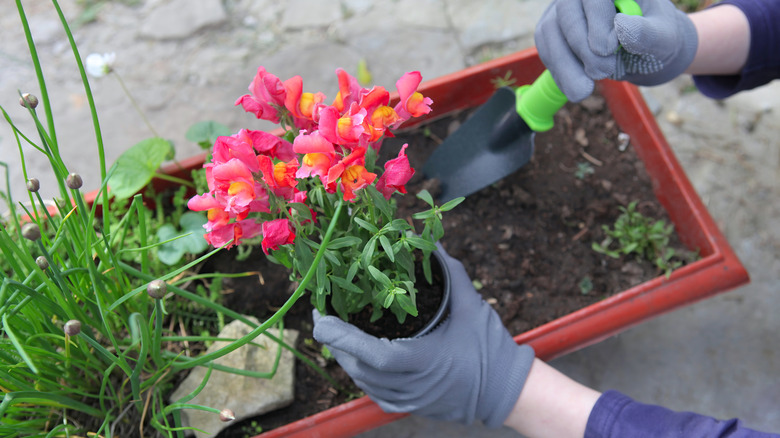
From container gardens to bouquets, snapdragons (Antirrhinum majus) are a classic example of a filler flower. Just be sure to pick the right variety. Some taller varieties of snapdragon may better serve as thrillers. The key is choosing those medium-growing varieties that add a pop of color and texture without stealing the show. This includes varieties such as the Liberty and Sonnet series, which typically grow no taller than 30 inches while still sporting those visually appealing and unique flowers. Snapdragons are hardy in USDA Hardiness Zones 7 through 10, and smaller varieties thrive in containers.
Honeywort
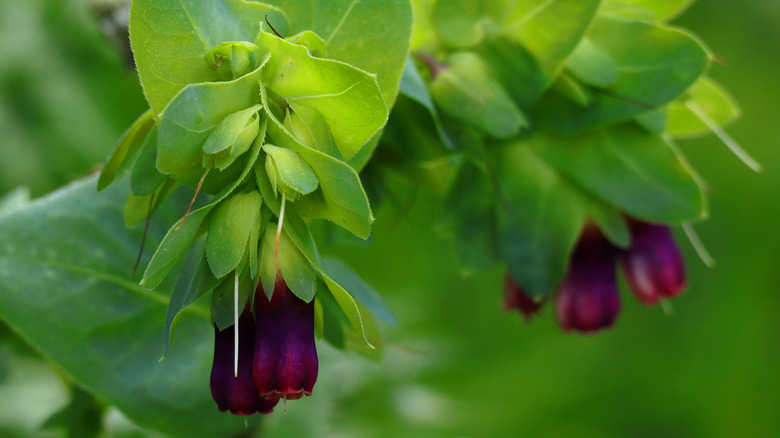
If you're looking for a more subtle filler flower, look no further than honeywort (Cerinthe major). This annual flower sports a softer appearance than snapdragons — especially from a distance — that allows your thrillers to shine. However, when viewed closely, you can catch sight of its downturned, dark tubular flowers, which pollinators adore. Pair honeywort with plants that accent its appearance (such as tall ornamental grasses) and be sure to provide ample moisture and nutrients. Honeywort grows best in full sun or light shade, making it well-suited for containers throughout your yard.
Golden Alexander
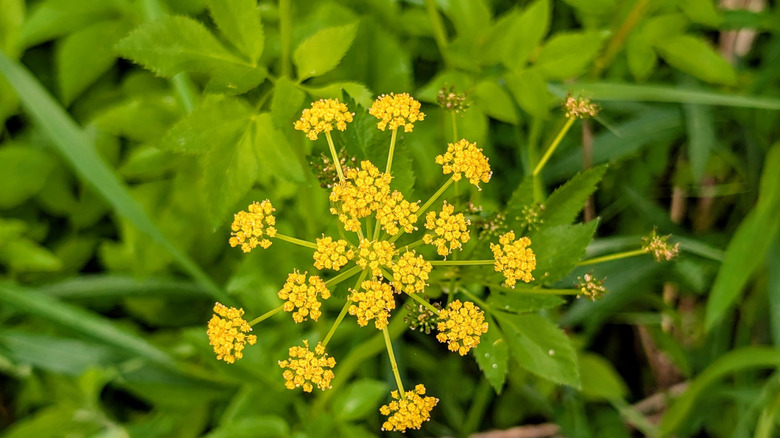
Speaking of honeywort companion plants, golden Alexander (Zizia aurea) loves moist soil. As a result, you can readily combine these two plants for a dense filler layer in pots and planters. Golden Alexander is also a perennial, hardy in zones 3 through 8, providing mid-level color that comes back year after year. One reason that golden Alexander is commonly used as a filler plant is because it works well as weed suppression, although that isn't typically a problem with container plantings. Functionality aside, its sunny yellow flowers make it a popular addition.
Begonias
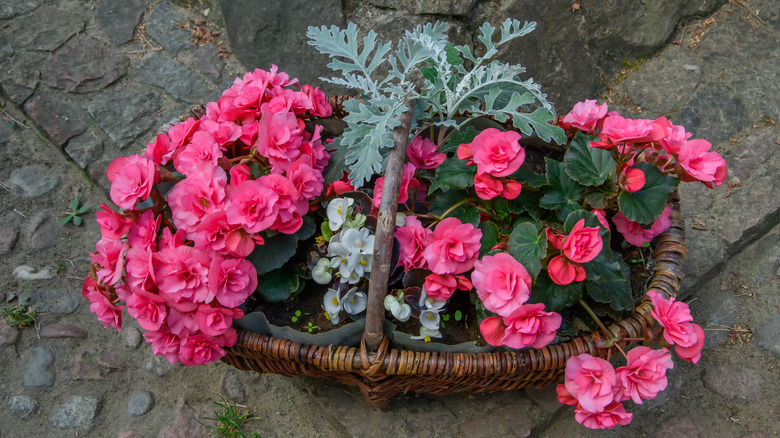
The genus Begonia is a top choice for those looking for the right filler plant for their flower pot, and it's no surprise why. First of all, there are thousands of different varieties, helping you curate a unique appearance by blending various colors and textures with your choice of thrillers and spillers. They also do well in both containers and garden beds. Just keep in mind that most types are only hardy in zones 10 and 11, so you may want to pair them with annuals or choose a pot you can easily move indoors to overwinter.
Plantain-leaved pussytoes
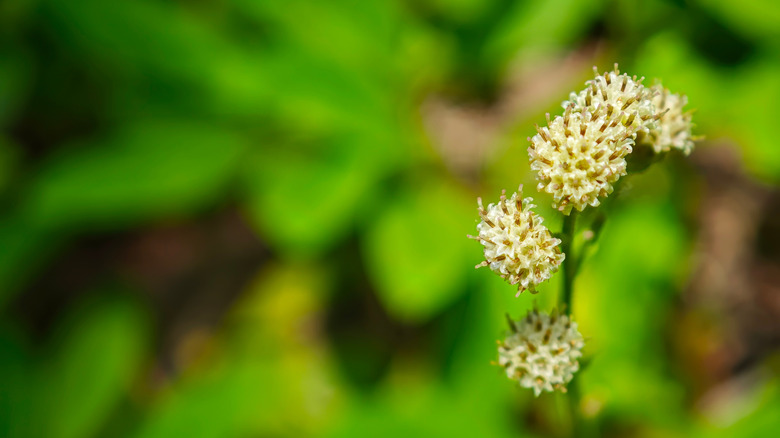
In landscaping, plantain-leaved pussytoes (Antennaria plantaginifolia) act as a living plant alternative to mulch, helping to reduce weeds thanks to their ground-covering growth. This same characteristic is also what allows them to fill in any excess space within containers while sporting visually unique flowers similar in appearance to a kitten's paw. Their leaves grow out from the base of the plant, spreading over the soil. However, the flowers themselves are about a foot high, keeping them visually relevant without overshadowing thrillers. Plantain-leaved pussytoes prefer partial shade to full sun and are hardy in zones 3 through 8. They also tolerate occasional dry spells.
Coleus
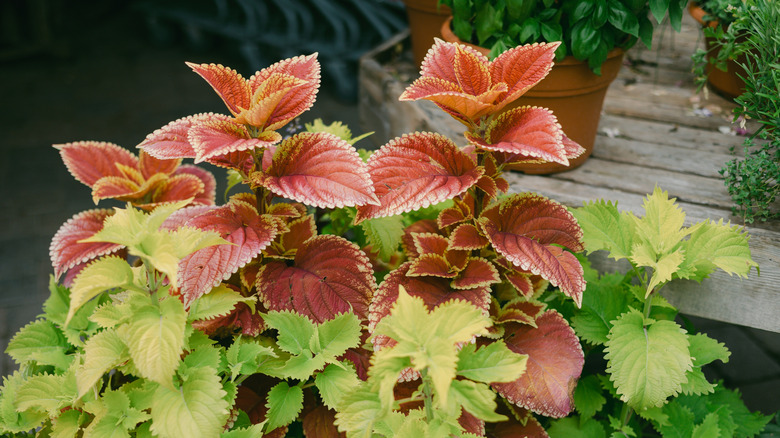
Many of the filler plants discussed so far thrive in full sun, though some tolerate partial shade. But what about those darker areas of the yard? Coleus (Coleus scutellarioides) is a versatile shade-lover, thriving whether in full sun, partial shade, or deep shade. Even without its summer flowers, this evergreen keeps your pots bright year-round thanks to its foliage. But like begonias, it's only hardy in zones 10 and 11. As far as containers go, you can use coleus as a filler in everything from typical flower pots to hanging baskets. It even does well as a houseplant.
Basil
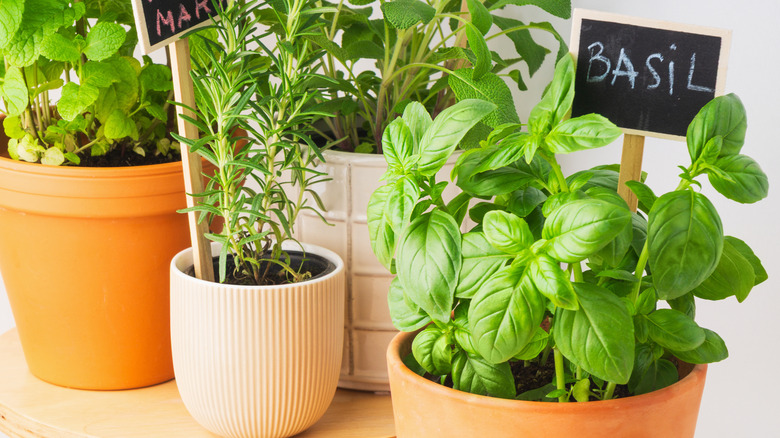
Flowers and pretty foliage aren't the only options when looking for the best filler plants. Instead, herbs provide space-filling dramatics and garnishes for home-cooked meals — perfect for those gardeners who are trying to maximize smaller outdoor spaces. Basil (Ocimum basilicum) is a great example of this, thriving both as a standalone container-friendly plant or as a filler for more complex, full designs. Some varieties even sport charming little flowers. For an outdoor container, basil is only perennial in zone 10, so you may wish to bring it indoors to overwinter.
Willow-leaved sunflower
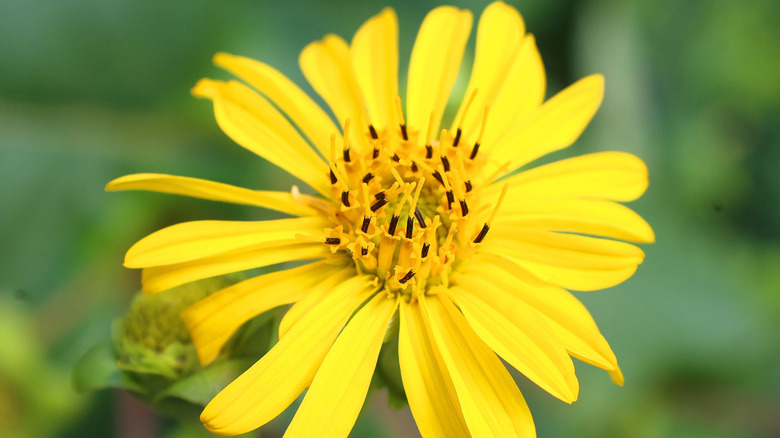
The willow-leaved sunflower (Helianthus salicifolius) is a native wildflower that's hardy in zones 4 through 9. While its height of 8 to 10 feet allows it to shine as a thriller in gardens, it also works as a filler if you're trying to style a tall-variety flower pot. When you're working with ultra tall thriller flowers, finding a plant to fill in the middle ground can be difficult, especially since most fillers are small or dwarf varieties. However, willow-leaved sunflowers can be used to fill in space without competing with your show-stoppers, making it ideal for a supersized flower display.
Impatiens
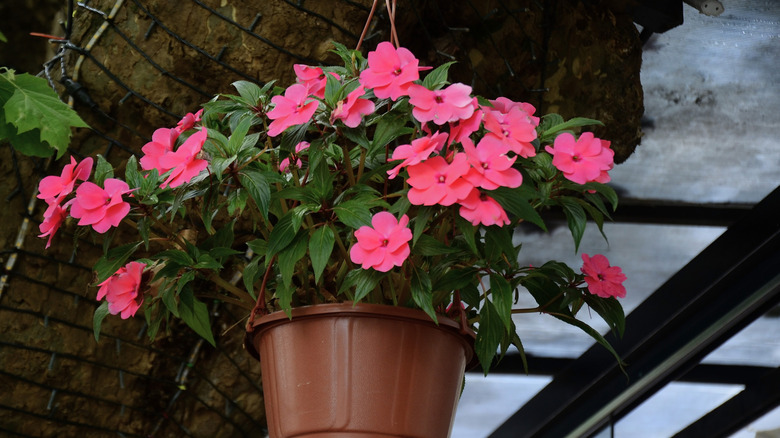
If you're looking for a colorful addition to grow as a filler alongside coleus and begonias, impatiens (Impatiens spp.) may be the right choice for you. Typically grown as annuals, these bright flowers are also hardy in zones 10 and 11. Depending on their variety, you could also use impatiens as a spiller plant for your flower pot, but many types do well when utilized as a filler flower, adding dense color and foliage to fill in the gaps that your spillers and thrillers leave. It's important to provide these flowers with ample moisture without overwatering.
Petunias
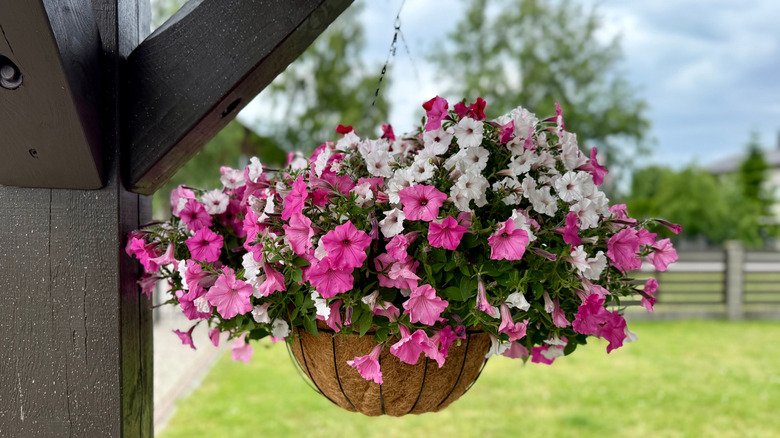
When many people think about container-friendly flowers, the genus Petunia is often the first to come to mind. After all, these long-blooming annuals offer a season's worth of color while growing neatly in a flower pot. With so many species, however, there are some variations in their growth habits. Some provide value to the vertical real estate of containers, growing up to 18 inches in height, while others spread wide for vast coverage. As a result, make sure to choose the right type of petunia that will do well in containers with your other plants.
Columbine 'Little Lanterns'
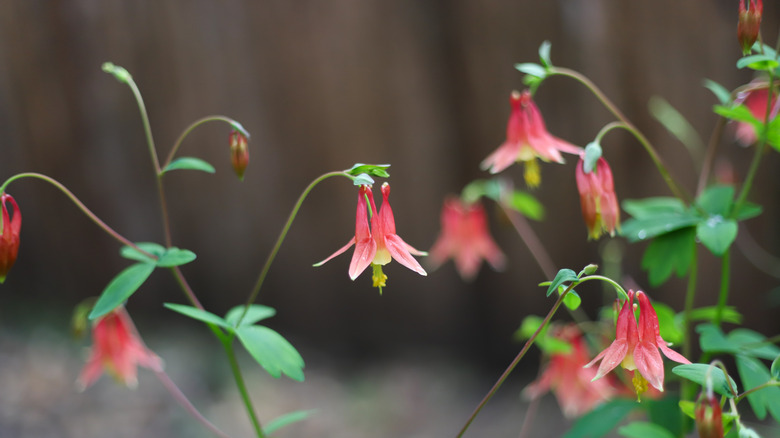
A smaller variety of columbine, columbine 'Little Lanterns' (Aquilegia canadensis 'Little Lanterns'), only grows up to 1 foot in height. Where other varieties may soak up all the attention in your flower pot, this subtle burst of vibrant color ensures an overall cohesive look. This cultivar of columbine is hardy in zones 3 through 8, and it grows well in full sun to partial shade. It also attracts hummingbirds thanks to its red tubular flowers in spring, making it a good match for other pollinator-friendly spillers and thrillers.
Dwarf crested iris
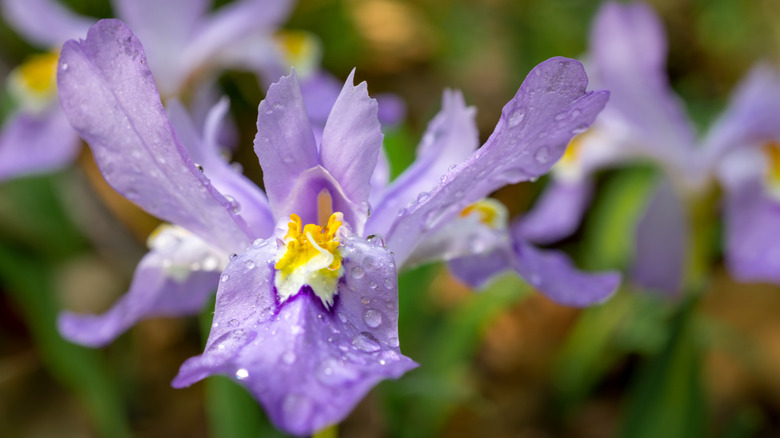
The dwarf crested iris (Iris cristata) is a native iris species that is hardy in zones 3 through 9. Topping off at a maximum height of 9 inches and spread of about 1 foot, this cute, colorful flower blends seamlessly into a variety of arrangements, whether you're adding it to your landscape, showcasing it on its own, or using it as filler. It attracts pollinators, but is toxic to humans and pets, so it's best handled with gloves. Dwarf crested irises are generally durable, holding up well to dry conditions and making for eye-catching fillers.