

14 Tips To Encourage Helpful Ladybugs To Visit Your Garden
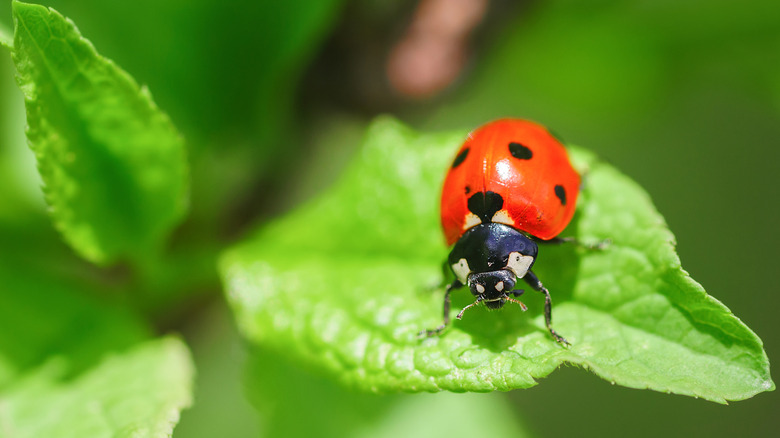
Ladybugs are a cheery sight; there's something about these easily recognizable red insects with black spots that lightens the heart and brings out a childlike glee in even the most hardened soul. These small, spotted beetles – also known as lady beetles or ladybirds — are friendly inhabitants of our plant beds, and they actually act as a natural pest control in our gardens, so it's not surprising that many of us want to encourage them to visit our outdoor spaces. By following a few steps like providing food, allowing for shelter, and limiting your use of insecticides, you can encourage more ladybugs to flock to your garden and stick around.
You may never have thought about lady beetles needing food and shelter, but that's just a starting point. In fact, we have lots of specific tips to help you attract helpful ladybugs to your garden. Take this advice and before you know it, your yard will be a welcoming oasis for these and other beneficial insects. In addition to the charming company they provide, ladybugs will reward you for your efforts by increasing biodiversity in your outdoor space and helping to keep pest populations in check.
Broaden your expectations for how ladybugs can look
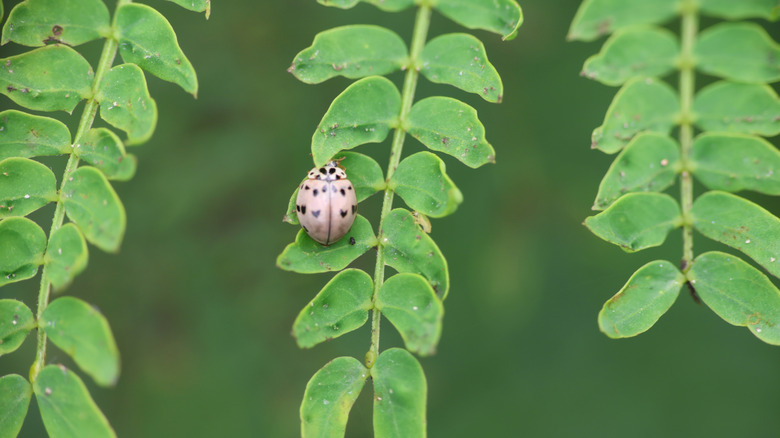
If you see a small red beetle with black spots, you may recognize it as a beneficial insect — but not all ladybugs share this coloration. You won't want to mistake the helpful ones for pests. For instance, the ashy gray lady beetle can be gray with black spots or red with black spots, and feeds on aphids. The equally beneficial cream-spotted lady beetle can be brown with white spots. Other types may be yellow or orange with black spots or even solid black.
Learn to recognize their alligator-like larva in your garden
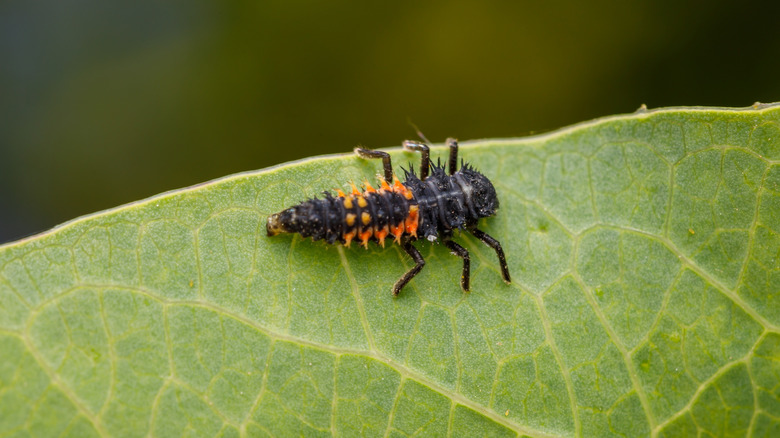
If you want more ladybugs to live in your garden, it's important to know what the young ones look like so you don't mistake them for pests when you see them crawling across your vegetables. Before they take on their rounded adult form, lady beetle larva look rather like tiny alligators. In their wingless form as larvae, they actually eat more pests than the adults, so make sure everyone in your yard knows how to spot these spiny, young insects to keep them safe.
Keep a lookout for ladybug eggs under leaves in your garden
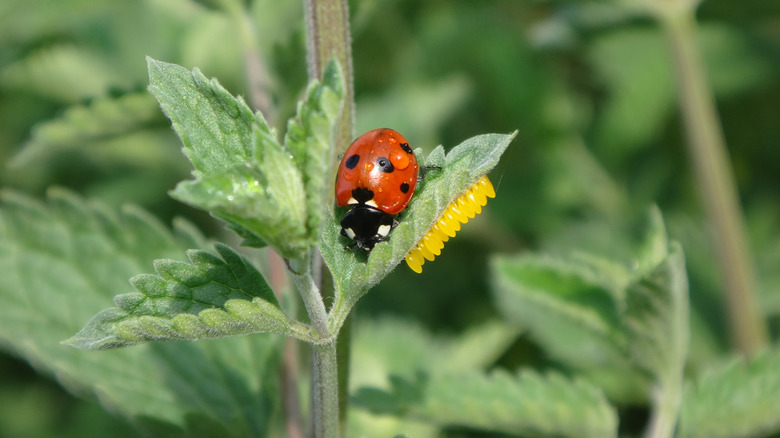
Since ladybugs are among the good bugs that will reduce pests in your garden, make sure you don't damage their eggs. These are just as important to recognize as the larval form of this beetle, and you won't want to mistake them for those of a pest. You'll find clusters of ladybird eggs on the underside of leaves. Most often in groups, they are oval-shaped and red, orange, or yellow colored. Usually you'll find lady beetle eggs close to food sources, such as an infestation of aphids.
Leave some fall leaves on the ground throughout winter
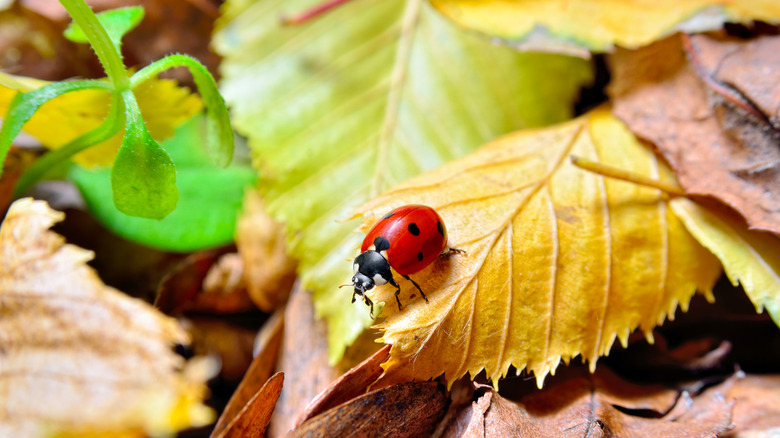
Ladybugs are one of the beneficial creatures that are attracted to the leaf piles in your yard. Many of these pretty little bugs will spend the winter snuggled together under leaf litter. In fact, fallen leaves make excellent habitat for lots of helpful insects and other small creatures. Allowing leaves to build up in your yard in fall will let ladybugs not just visit, but stay put in your garden and encourage a more balanced local ecosystem.
Delay spring garden clean up until weather is warm
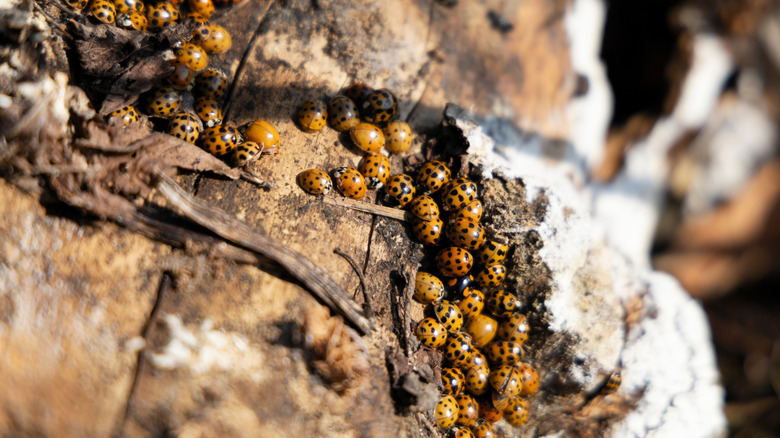
If you made the wise decision to leave some leaves in your garden through fall, you created a great habitat for ladybugs to overwinter. They can also overwinter at the base of plants or among other debris. But once it's spring, don't start cleaning up your outdoor space too early, because these beneficial insects may not have emerged from their slumber yet. Wait until nighttime temperatures are above 50 degrees Fahrenheit to remove dead foliage.
Keep harmful chemicals out of your yard and garden
When you choose to fight pests with beneficial insects, you should also stop spraying your yard and garden. Let the helpful bugs take over instead. Insecticides can kill ladybugs, their food sources, and other pollinators. Even organic pesticides like neem oil can wipe out populations of beneficial bugs. One of our most important tips is to be patient and slowly establish a balanced eco-system where lady beetles can do their job naturally controlling aphids and other unwanted visitors.
Allow some pests to serve as ladybug food
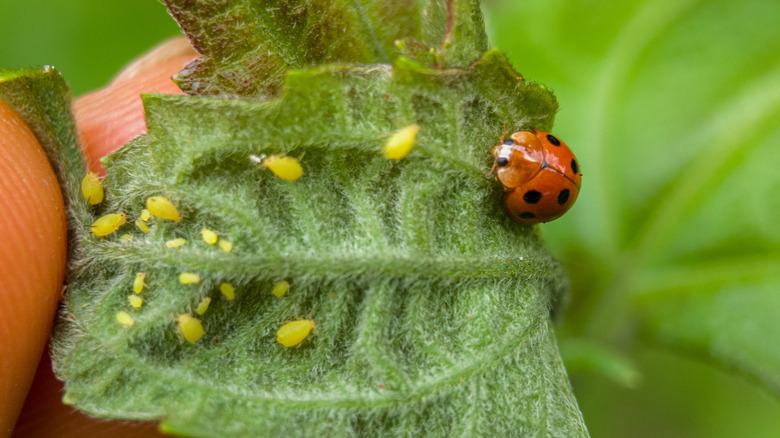
Once you've committed to stop spraying, you'll need to also get comfortable with the idea that it's ok to have some pests in your garden. You may not want aphids covering your kale plants, but if you leave some of them there, ladybugs will make a feast of them. These little red and black beetles will also eat other pests like mites, scale, and thrips. Rather than treating these pests yourself, delegate the duty to your resident populations of beneficial lady beetles.
Grow ladybug-friendly plants in your edible garden
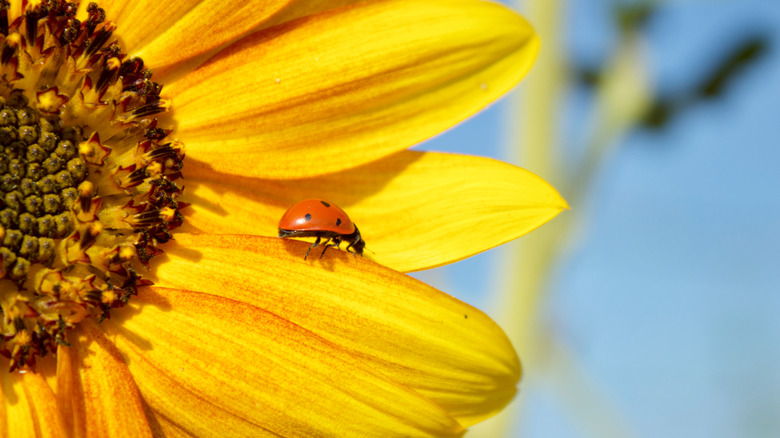
There are numerous plants that naturally attract ladybugs into your garden – including some crops, herbs, and flowers you may enjoy growing for yourself. Sunflowers, fennel, and dill are among the common backyard favorites that will encourage these bugs to visit. The nectar and pollen from these flowering species serve as important sources of foods for these attractive and helpful insects.
Pair your edible plants with attractive companion plants
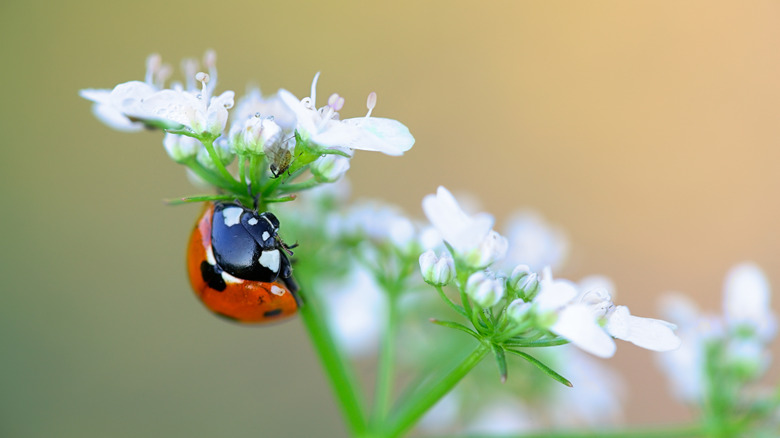
You may already have a designated herb section where helpful ladybugs abound. But if you're hoping to encourage them to take part in your pest control strategy, another tip you need is to grow lady beetle-friendly companion plants around your garden crops. These beneficial insects are attracted by some common plant pals you can grow between your vegetable crops — such as tansy and marigolds.
Make a bug hotel to shelter these beneficial insects
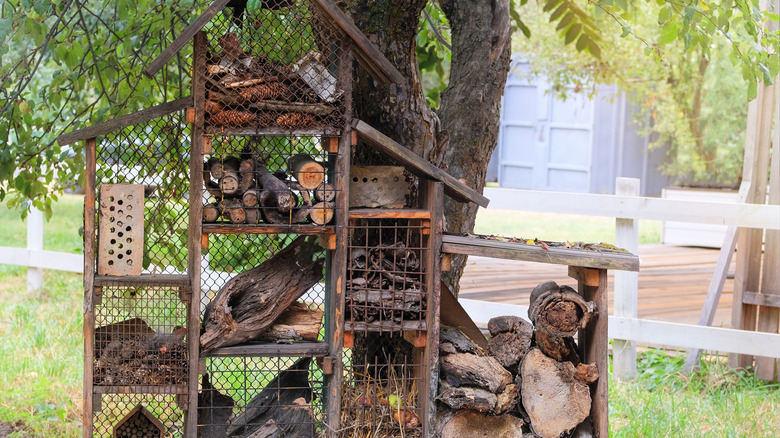
Along with food, you can encourage these cute little beetles to stay in your garden by providing cozy habitat. Take our tip and help ladybugs find a home in your yard with a cute DIY house. Make a bug hotel for these and other beneficial insects by placing bunches of twigs and small sticks in a wooden frame, and locate it facing south, a few feet off the ground. Change out the materials from your bug hotel each summer to keep conditions healthy.
Grow a diverse array of plants around and in your garden
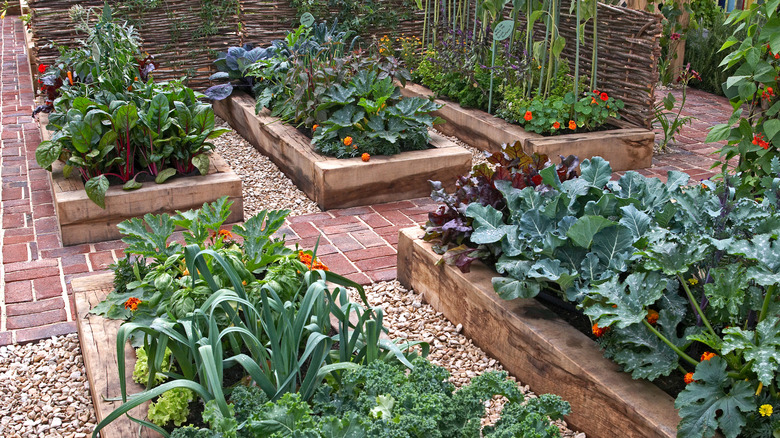
Adding specific plants to your yard for ladybugs is an excellent start, but if you want to encourage these beneficial insects to visit and flourish in your outdoor space, make sure you also grow a variety of different types of plants, both in and around your garden. Diverse plants will attract a wide range of prey for the ladybugs. Even shrubs and trees will draw in these pretty little pollinators by providing shelter and hunting grounds.
Allow native plants nearby to nourish adult lady beetles
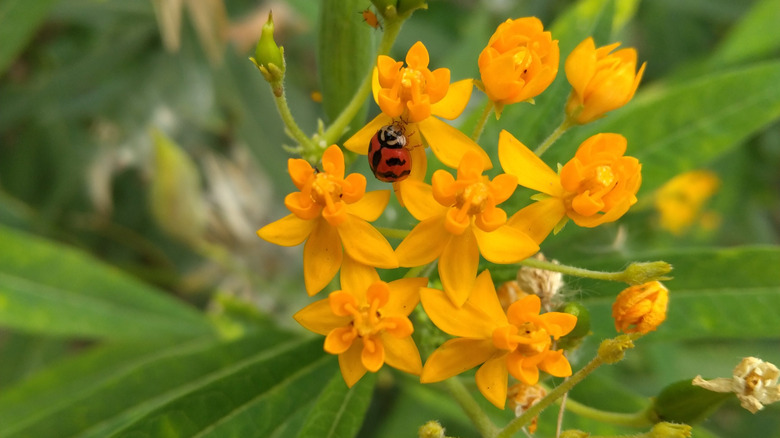
Adult ladybugs include both flower pollen and nectar in their diets so in addition to growing the pollinator-friendly plants already discussed, consider adding some native plants to your yard as well to draw in helpful lady beetles to control pests. Gardeners in the U.S. can choose from species like common yarrow (Achillea millefolium), butterfly weed (Asclepias tuberosa), and rocky mountain penstemon (Penstemon strictus) to attract ladybugs. For the best results, cultivate a native plant patch with species that hail from your particular region.
Plan your flowering landscaping for multi-season blooms
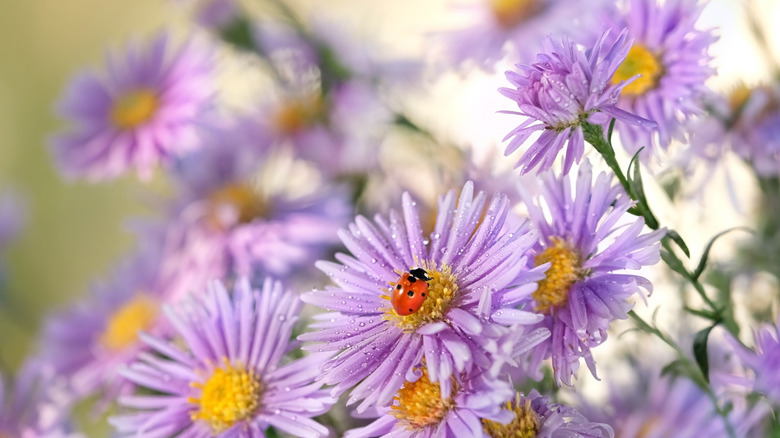
If a ladybug lands on your sleeve before you plant your spring garden, you might catch yourself wondering if she's going to find enough food. You can encourage lady beetles and other pollinators to hang out in your yard by providing a succession of blooming plants in your beds that last from early spring until late fall. Early-blooming perennials like blue wild indigo (Baptisia australis) and beardtongues (Penstemon spp.) are great to welcome ladybugs in spring, while sunflowers (Helianthus spp.) and asters (Symphyotrichum spp.) will keep them around until late fall.
Create connections between your green spaces
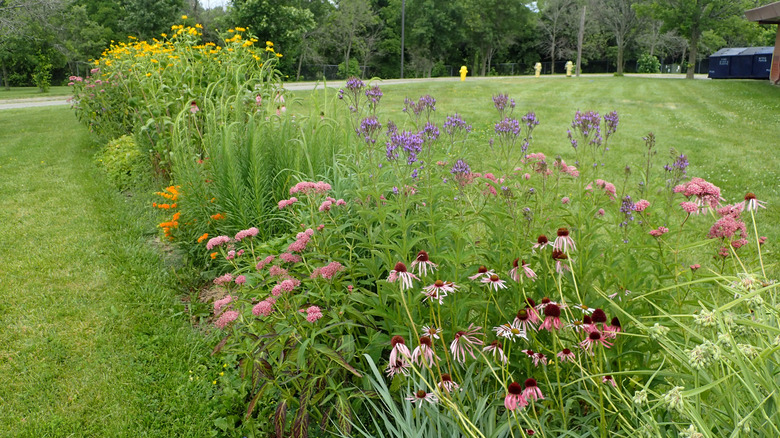
Creating connected wildlife corridors isn't just for large scale projects for protecting bison and elk, it's also important for insects. Ladybugs have some impressive flight capabilities, but when they're not soaring through the air, they mosey over stems and branches. You can encourage helpful ladybugs to stay in your outdoor space by providing them safe passages between all your wonderful ladybug-friendly plantings. For instance, to connect the wildflower meadow in your front yard and the vegetable garden in your backyard, bridge the two spaces with native grass plantings to help the ladybugs travel safely.