

Get Your Gloves On - 11 Toxic Weeds To Be Aware Of In Your Yard
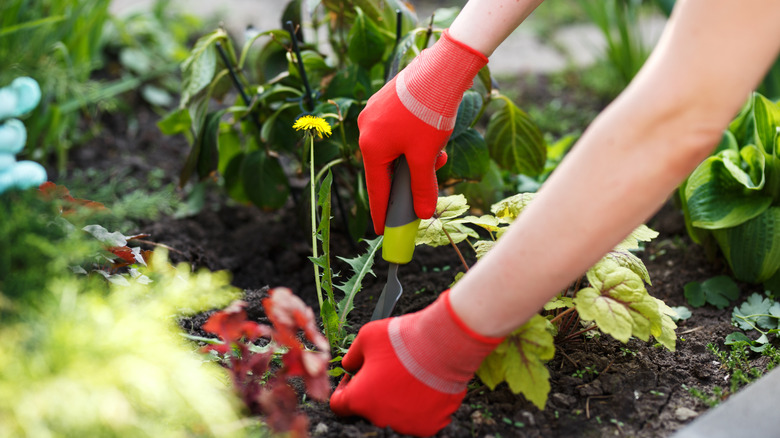
It's bad enough that gardeners have to deal with weeds, but downright terrifying when some of those weeds have toxic effects when touched. While it might be tempting to go out into the garden gloveless for some quick cleanup, it's necessary to be able to recognize and avoid these dangerous, pesky plants at a glance. The list we've curated includes several members of the carrot family (Apiaceae) that are phototoxic, meaning getting their sap on your skin will cause burning when exposed to sunlight. Other toxic weeds contain urushiol oil that brings on an itchy rash. Still others, like deadly nightshade and stinging nettles, have their own unique ways of attacking your skin.
Most toxic weeds require gloves to handle at a bare minimum, but it's also important to protect yourself by covering up in other ways. Plants like cow parsnip, for example, can affect your skin when you simply brush past them. Add long pants, a long-sleeved shirt, and boots to your protective gear anytime you think you might be exposed to any of these plants.
While you may encounter scary weeds in your yard to destroy right away, take caution with how you eliminate them. Several toxic weeds are dangerous to burn, and toxic weeds should also not be composted. A better solution is to bag them and dispose of them; you can leave them out in the sun first until they die before putting them out with your trash or taking them to a landfill.
Water hemlock
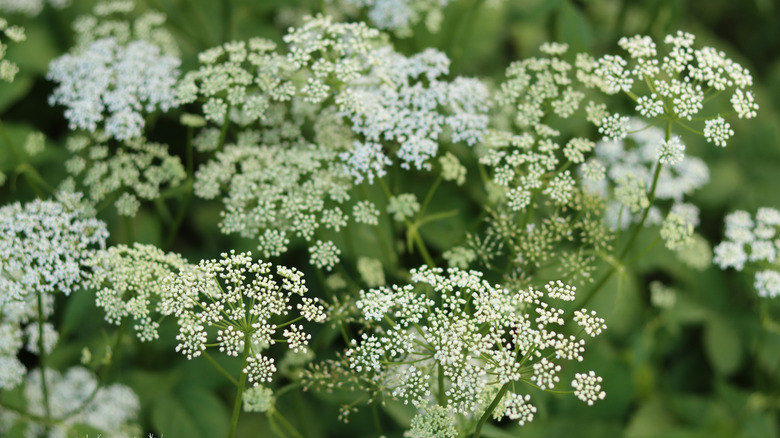
Water hemlock (Cicuta maculata), also known as spotted water hemlock, has been called the most dangerous weed in the United States. The source of this lethal plant's toxicity is cicutoxin, which results in symptoms like nausea, delirium, vomiting, and seizures when ingested. But the toxin can also be absorbed through your skin, and all parts of the plant are toxic. Cutting the plant releases a yellow sap that contains the cicutoxin, which is especially concentrated and dangerous in the spring. Water hemlock is also toxic to livestock. Four species of the deadly plant grow widely in North America.
Giant hogweed
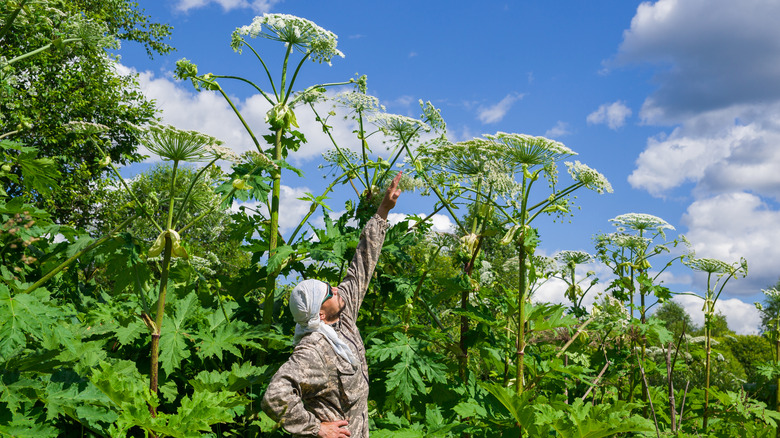
Sap is the most toxic aspect of giant hogweed (Heracleum mantegazzia), the supersized weed that is very dangerous in your yard. Worse, the sap is found in every part of the plant, causing blistering, burning, irritation, and long-term sensitivity to light. Touching the plant a huge risk, but even handling tools or fabrics that have touched the sap can cause symptoms. Its soaring height makes giant hogweed easy to recognize; it can grow to 15 feet, with flower heads as wide as 2 ½ feet. It is commonly found in the northeast and northwest parts of the U.S.
Oleander
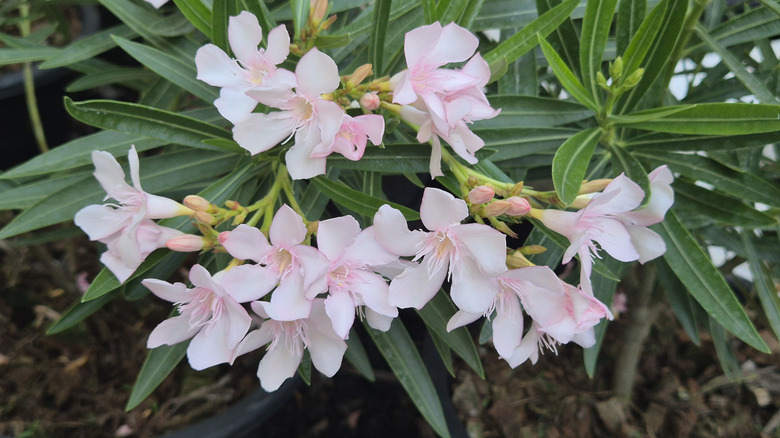
Although the greatest danger from oleander (Nerium oleander) comes from ingestion (which can be fatal), skin contact with the plant can cause irritation, including hives and rashes. All part of the plants are toxic. Research in the Journal of Emergenices, Shock, and Trauma indicates the cardiac symptoms that result from ingestion may also enter through the skin, but likely only through an open wound. Oleander is one of the toxic plants that should inspire you to think twice before burning pulled weeds in the fire pit because of its hazardous fumes.
Cow parsnip
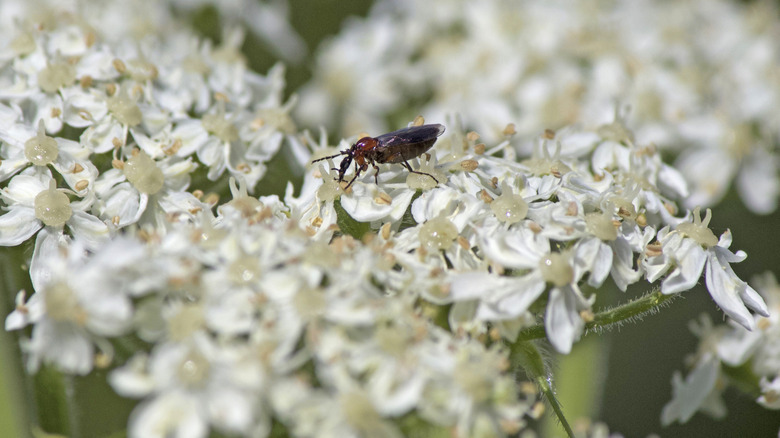
Sunlight reacts with the furanocoumarin chemicals in the sap of cow parsnip (Heracleum maximum) and result in skin burning and blistering that ranges from mild to severe. These effects can be slow to heal and might even scar. Even just brushing against cow parsnip can result in sap on your skin, so in addition to gloves, wear clothing that covers as much skin as possible if you expect you might encounter this plant and be especially wary on sunny days. Cow parsnip is sometimes confused with giant hogweed, which is in the same genus and causes similar symptoms.
Poison ivy
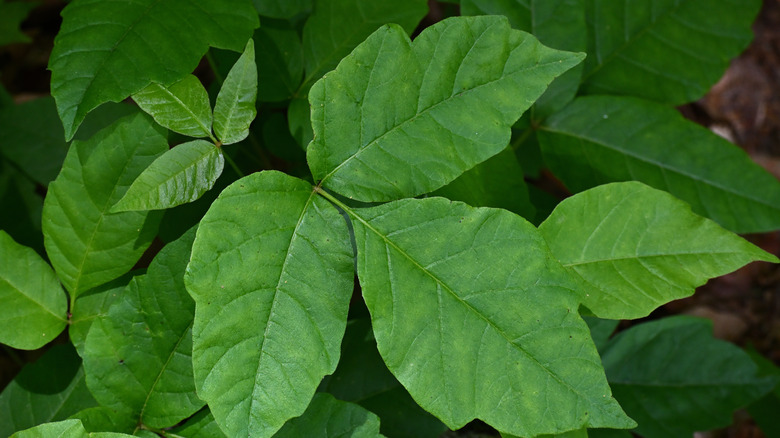
No list of skin-harming weeds would be complete without Eastern poison ivy (Toxicodendron radicans), Western poison ivy (Toxicodendron rydbergii) and their co-conspirators in the Anacardiaceae family of plants, poison oak and poison sumac. All of these plants contain urushiol oil, an allergen for 85% of the population. Thus, most people who make skin contact with poison ivy develop an intensely itchy rash that can advance to blisters and swelling. The rash make seem like it's spreading, but new breakouts are typically caused by additional exposure to urushiol oil on the plant or clothing.
Stinging nettle
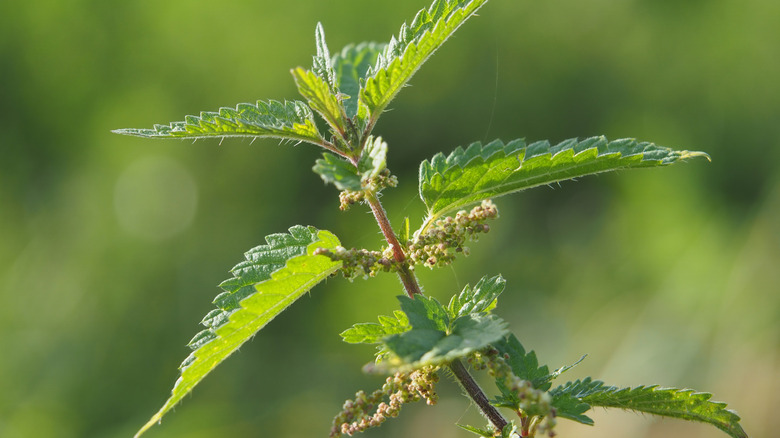
The "sting" of stinging nettle plants (Urtica dioica) is a double whammy, using two mechanisms to do its damage. First, the plant pierces your skin with its little spicules that resemble hairs; those spicules release chemicals that sting and cause an itchy rash or hives. Blisters and burning may follow. Fortunately, effects are usually not long-lasting, often disappearing within minutes or hours. Because stinging nettles are said to be delicious when cooked and sought out for food, foragers are at risk of being stung. You'll need full clothing coverage, including gloves, when you're likely to be around this plant.
Woodland angelica
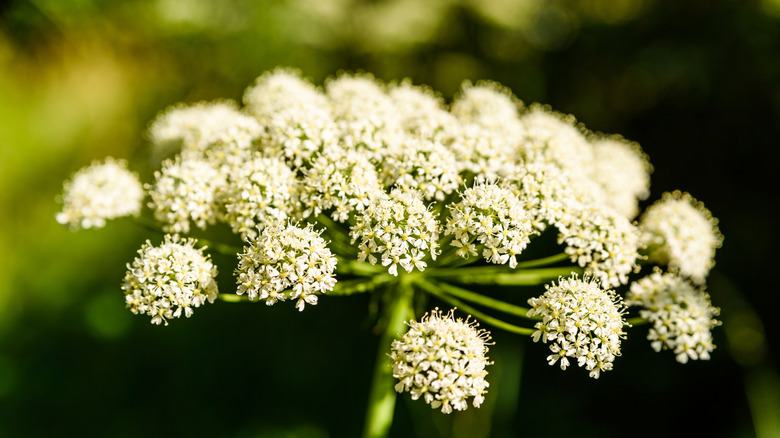
Woodland angelica (Angelica sylvestris) joins giant hogweed, cow parsnip, and wild parsnip as another phototoxic weed with sap containing furanocoumarins that react with sunlight to cause severe irritation when skin comes in contact with it. The sap is found throughout the whole plant, but is especially concentrated in the lower stem. This irritation manifests as blistering and burning. As with the other phototoxic weeds, the effects can be long-lasting, with continuing light sensitivity and scarring.
Wild parsnip
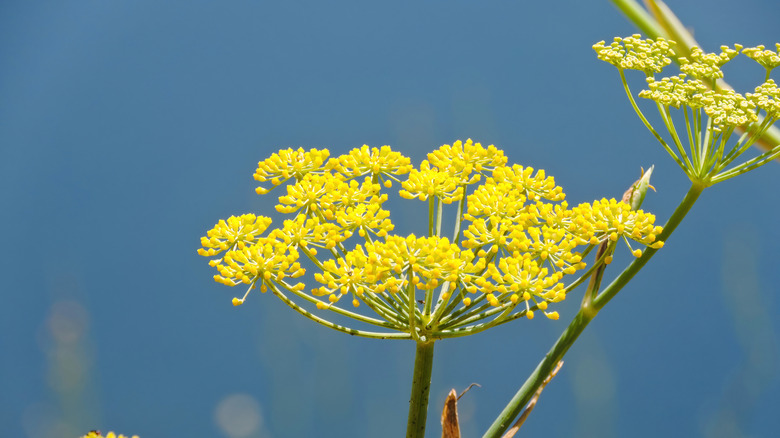
By this point in the list, we know that skin toxicity runs in the Apiaceae family, of which wild parsnip (Pastinaca sativa) is a member. This specific species has a higher concentration of the furocoumarins than most other Apiaceae family members. You can expect the same phototoxic symptoms from wild parsnip as from its cousins. Redness is followed by painful blisters when skin is exposed to the sap. The University of Wisconsin offers an excellent, photo-rich guide to the members of Apiaceae family so you know what to look for and how to tell them apart.
Poison oak
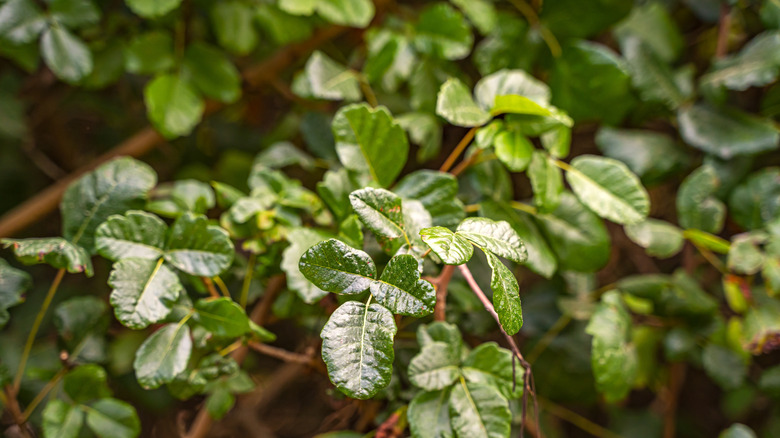
Both poison oak (Toxicodendron diversilobum) and poison ivy are identifiable by leaves that present as three leaflets, but poison oak's are rounded at the ends and resemble oak leaves, while poison ivy's are pointed. Like poison ivy, poison oak contains the urushiol oil that causes itchy rashes. With poison oak, mere contact with leaves is not usually enough to trigger transfer of the urushiol; the plants typically need to be damaged, such as by pruning. All of the urushiol-carrying weeds are dangerous when burned because particles of oil in the smoke cause acute lung inflammation.
Deadly nightshade
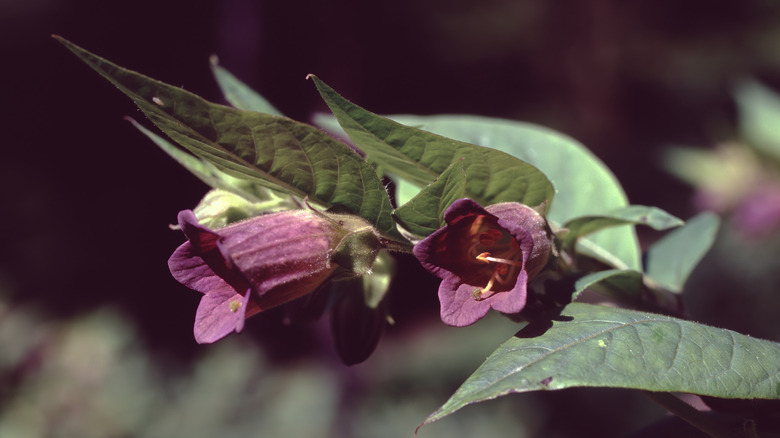
Why have just one toxin when you can have several? Seeming to be taking no chances on keeping its consumers alive, deadly nightshade (Atropa belladonna) is packed with multiple toxins, including psychoactive chemicals. Every part of deadly nightshade is toxic, and ingestion even in small quantities can threaten your life. While skin can absorb the toxins on a limited basis, itchy contact dermatitis is the common result of touching deadly nightshade.
Poison sumac
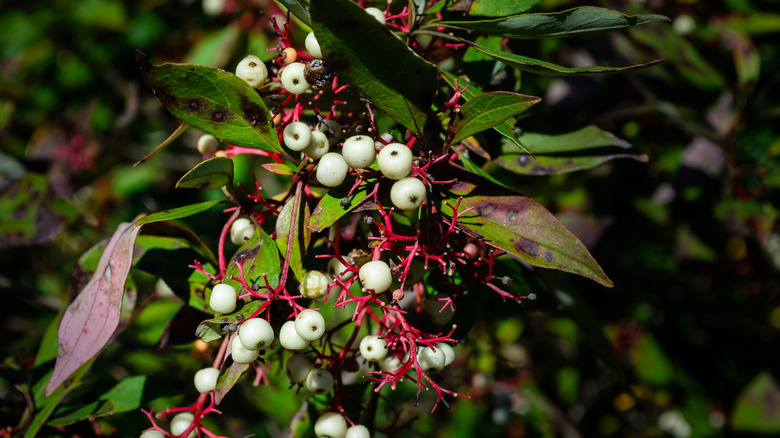
You won't have too much trouble differentiating poison sumac (Toxicodendron vernix) from its cousins, poison ivy and poison oak, because it has a very different structure with seven to 13 leaflets. Poison sumac also has distinctive red stems and whiteish fruits. While sumac may look different from other urushiol weeds, its effect on skin it comes in contact with is the same — an itchy rash that could include blisters. It may be more relevant to distinguish poison sumac from its non-poisonous counterparts, winged sumac (Rhus copallinum) and Staghorn sumac (Rhus typhina), both of which have red or orange berries.