

11 Mistakes To Avoid If You Want To Attract More Orioles To Your Yard
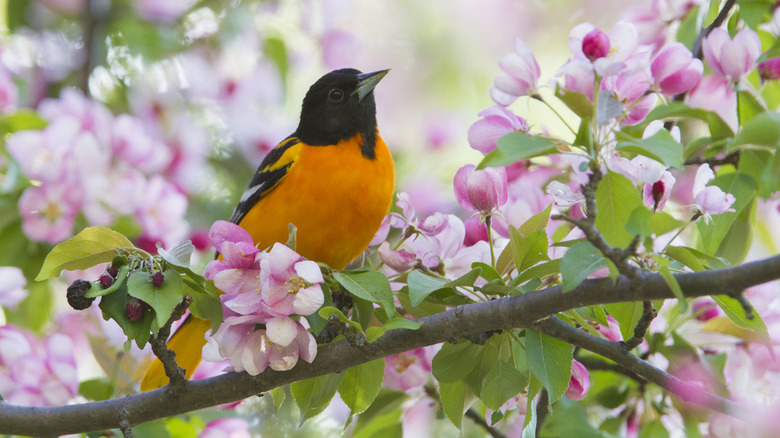
Attracting more orioles to your yard can be an exercise in patience. Perhaps you feel like you've been pulling out all the stops and yet you haven't seen a single visitor, or maybe you've only seen a small handful. This can be frustrating, especially when you have already tried all the things. You've put out food, you have a bird bath, you've even set out the perfect little house — what more could they possibly want?
If you are tired of not seeing any of your hard work pay off, it could be time to approach the problem of attracting orioles to your yard from a different angle. Perhaps, the problem isn't so much that you haven't tried all the things, but rather that you haven't tried all the right things. From putting out the wrong food source, to setting up your feeders in a bad location, there are many ways in which you could be quietly sabotaging your own efforts. Here are some things you could be doing that are unintentionally keeping orioles from coming to your yard — and what you can do to make them want to flock to your yard instead.
Not including the right plants in your garden
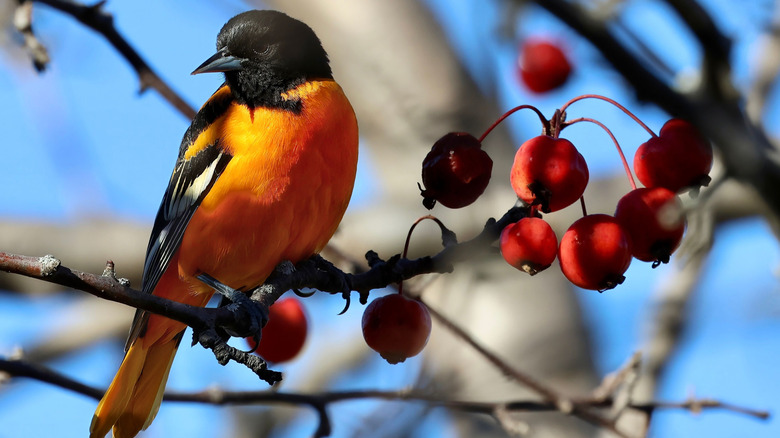
Unlike many more common species of birds, orioles have very specific habitat requirements. Having the wrong kinds of plants in your garden can cause orioles to pass your yard by, even if your setup is otherwise ideal. If your garden doesn't have enough nectar-producing flowers or fruit, nesting materials, or good nesting sites, you might not get many visitors — and any that do stop by probably won't stay long. Orioles also can't hover like hummingbirds do, so they need flowers growing from branches sturdy enough for them to perch on.
The fix? Focus on planting plenty of nectar producing species. For example, growing a tulip poplar tree in your backyard may entice orioles who see their flowering branches from above. Native plants produce more nectar than non-native species, so they are the best choice if you are hoping to draw the attention of nectar-loving birds and insects. In fact, research shows that native plants are four times more attractive to pollinators, in part because of the sweet nectar they provide. This is largely because native plants are better adapted to the local climate. Orioles also like trees and shrubs that produce dark berries. If you want to skip the bird feeder entirely, you can attract orioles with a sweet blueberry shrub. Cherries — especially wild cherries — grapes, raspberries, blackberries, serviceberry, and mulberries are also all great choices. For nesting, orioles prefer the lofty branches of elms, maples, sycamores, and willows.
Using pesticides on your plants
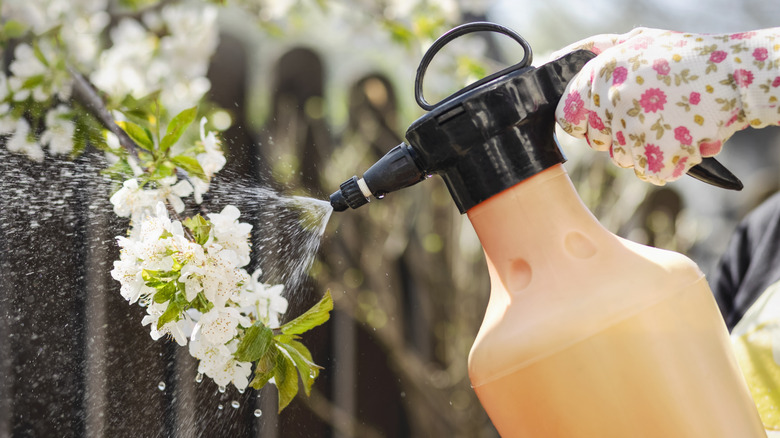
Orioles are insect eaters, so it makes sense that fewer insects would mean fewer orioles. In fact, most of their diet consists of insects, especially when they are in the process of rearing their young. Using pesticides to control the insects in your garden will decrease the amount of orioles you see, because they won't want to stick around in your yard when the most crucial part of their diet is missing. On top of this, consuming insects that have been contaminated by pesticides can make orioles extremely sick and can even be lethal to them. Pesticides have been shown to do a number of harmful things to the birds exposed to them. Beyond just making a bird sick, pesticides can also thin eggshells, deform embryos, slow nestling growth rates, reduce appetite, and cause lethargy, among other things. Long story short, you should avoid pesticides if you can.
Fortunately, there are ways to control pests without the use of pesticides. To manage pests, you can try companion planting with flowers like marigolds and lavender along side growing fruits and veggies, using diatomaceous earth, or even making a DIY trap with beer! Focusing on garden health will make your plants more resilient to damage from insects. Native species are more tolerant of pests.
You can also introduce beneficial insects to your garden — like ladybugs and praying mantis. These bugs will feast on the pests in your garden, bringing your space into a more natural harmony, while also providing food for orioles themselves. The best part? The orioles you attract to your yard by avoiding pesticides will, in turn, help reduce pests. Orioles love incect species like caterpillars, spiders, and grasshoppers.
Offering the wrong types of food
Putting out the wrong types of foods can also sabotage your chances of attracting orioles. Orioles do not eat seeds, so offering those won't attract them. In fact, unless you have a variety of nectar-rich plants growing in your yard, putting out the wrong kinds of feeders might cause orioles to pass by your garden entirely. If you want to keep your seed filled bird feeders, it is a good idea to move them to a different location, as having them side-by-side with your oriole feeders might also keep the orioles away, since they typically prefer a quiet location and can be quite territorial.
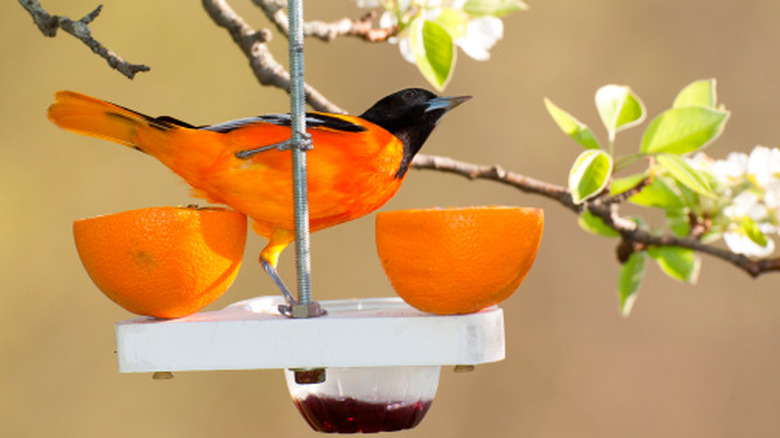
In addition to insects, orioles are nectar eaters. They have quite the sweet tooth, and will happily feed from hanging feeders filled with sugar water solution. They also like orange slices and have a preference for dishes or trays filled with grape jelly. You don't even need any specialized feeders to attract orioles. Setting out a bowl of jelly or placing halved oranges in tree branches or on spikes is often enough. You can even turn an old rake into a feeder and watch orioles flock to your backyard. Because orioles are insect eaters, you can also offer mealworms — especially during nesting season (May through June) and while they are raising their young. To attract the maximum amount of orioles, try offering fruity, sugary foods (like nectar) in the spring, and switching to protein rich insects like mealworms in summer.
Putting the wrong type of bird bath in your garden
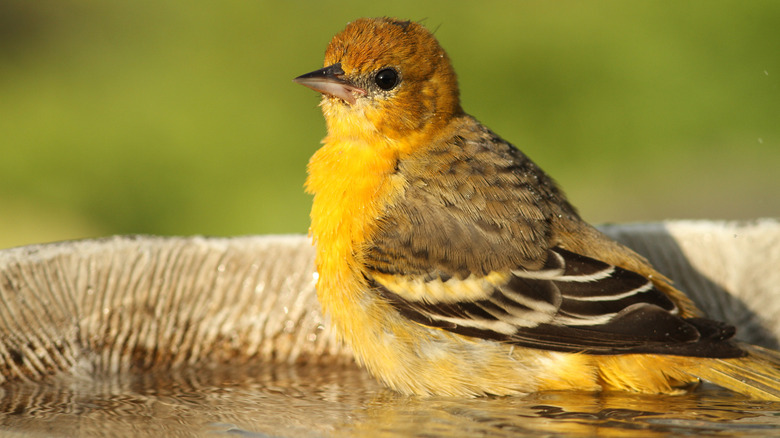
Have a bird feeder but no birds? You may be missing a crucial step: putting out a birth bath. Most birds are attracted to shallow water, and orioles are no exception. By not placing a bird bath in your garden, you are basically asking your oriole visitors to leave — even ones that stop by for a snack will soon need to head out again to find a source of water. Putting the wrong type of bird bath can also make your yard less interesting to your feathery guests. A stagnant, mosquito infested bath isn't likely to attract many visitors.
Because of the movement and sound it creates, running water is more likely to catch an oriole's attention, and they tend to prefer it over standing water as. To get your water moving, try a bird bath bubbler or water wiggler. Orioles will also enjoy preening themselves in garden misters, drip irrigation systems, or water features like fountains and waterfalls. For safety, make sure the bath you provide is no more than 2 inches deep, as birds can sometimes drown in deeper baths. To make your water feature shallower, you can try lining the bottom with stones.
Forgetting to clean your feeders
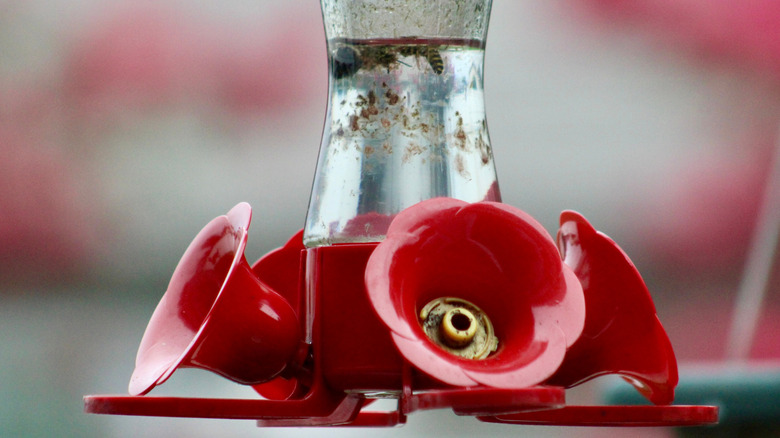
Nectar feeders and trays can get moldy and gross fast. Orioles are unlikely to eat at a dirty feeder, and it can make them sick if they do decide to eat what you are offering. Feeders sitting out in the sun — especially those in warm local climates — will mold quickest, but any nectar feeder will begin to go bad eventually given enough time. Orange slices and grape jelly can also spoil, so they need to be regularly replaced as well.
A safe rule of thumb is to clean your feeder and replace the sugar water solution every two days when it's warm or daily if it's hot. To clean out your trays and feeders, use warm water and vinegar or Dawn dish soap. Make sure to rinse thoroughly when you are done, and don't forget to get the insides of any holes or tubes, as those are the spots your birds will be coming in direct contact with. Some feeders are dishwasher safe, which can be a great time saver. If you can't remember when you last cleaned your feeder, you should be able to tell just by looking at it. Sugar water that has become cloudy is spoiled. Dead insects in or on your feeder are also a sign that you need to clean it up.
Using red dye in your nectar feeder
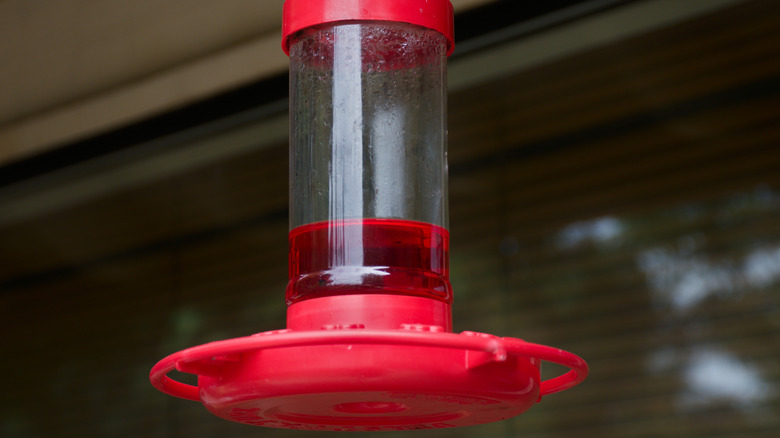
While you might think that since orioles like nectar and are attracted to the bright colors of flowers, you can draw in more of them if you dye your sugar water solution red, but this is actually not the case. Most experts agree that dyeing the sugary solution in your nectar feed is not necessary, and can even be harmful for the birds. Commercially sold, red hummingbird food contains Red 40, an artificial food coloring that has carcinogenic and mutagenic properties. Red food coloring in the U.S. also contains the chemical, so you won't be getting around this one by making it from scratch at home. While there hasn't been any research showing how red dye impacts birds specifically, the potential for harm outweighs the small benefit you might get from adding it.
What's more, orioles actually prefer the color orange. While this doesn't mean you should be adding orange dye to your water (it's still bad for them), it does mean that you should change up your strategy. Orioles can and do eat from bright red hummingbird feeders, but choosing an orange colored feeder made specifically for orioles can help attract more of the birds into your space.
Not offering enough shelter
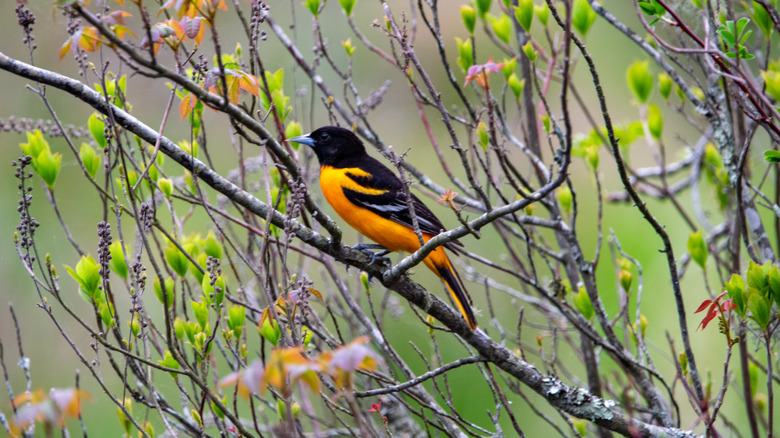
If your garden is wide open and doesn't offer any nearby spots for resting or shelter, orioles won't want to stay there. Trees and shrubs provide protection from predators, shelter from the elements, and a place to rest or even build a nest. A garden without any of these elements is likely to be overlooked by any oriole passing by. Even if a few orioles do stop to visit your feeders, they probably won't stick around for very long.
Orioles don't use man-made birdhouses, so without trees you won't be able to attract any birds looking for a spot to nest, but there are still plenty of ways you can provide enough shelter to keep them around for a bit longer without having to entirely re-landscape your yard. Shrubs — provided they have branches that are stiff enough to support an oriole's weight — can also offer a safe and enticing place to perch. If you don't have trees or shrubs in your yard, a dead branch with plenty of perching spots can be a good substitute.If you do have trees and you want to encourage orioles to nest in them, you can try leaving out natural nesting materials for them to use, such as strips of natural fibers.
Placing feeders in the wrong areas
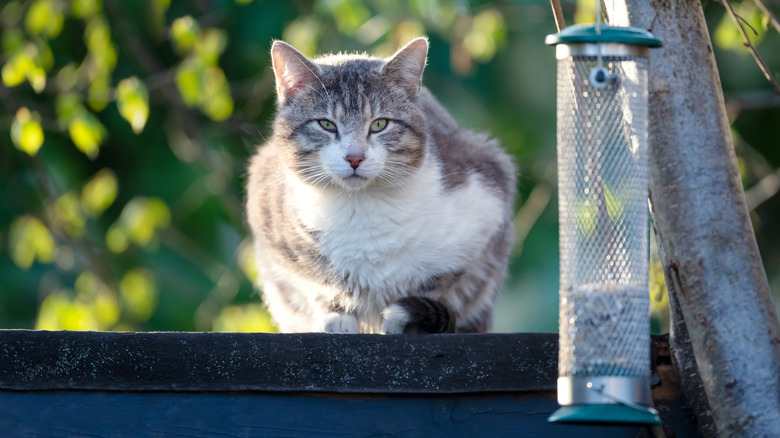
There are good places and bad places to set up an oriole feeder. Choosing a poor location — like somewhere that is noisy, excessively busy, or frequented by cats, for example — can make your oriole visitors feel too unsafe to stay for long. Ultimately, it will also deter them from returning to your yard at all, especially if there are other locations nearby that feel more secure.
To attract more orioles to your yard, you need to choose a location that is quiet and surrounded by natural cover, such as trees and shrubs. You should also choose a spot that is shaded, as sunny areas can get too hot for the birds and will also cause their food to spoil faster. If you can, you should place the feeder in a location that is shielded from the wind as well. Feeders should also be in a spot that is as safe as possible from cats and other predators.Before placing your feeder, you should research tips for keeping cats away from your bird feeder, as there are many strategies that you can use to ensure any orioles that visit are safe. Beyond the more practical considerations, it is also important to place your oriole feeders somewhere you can see them, so that you can enjoy watching your colorful friends.
Waiting too long to set up feeders
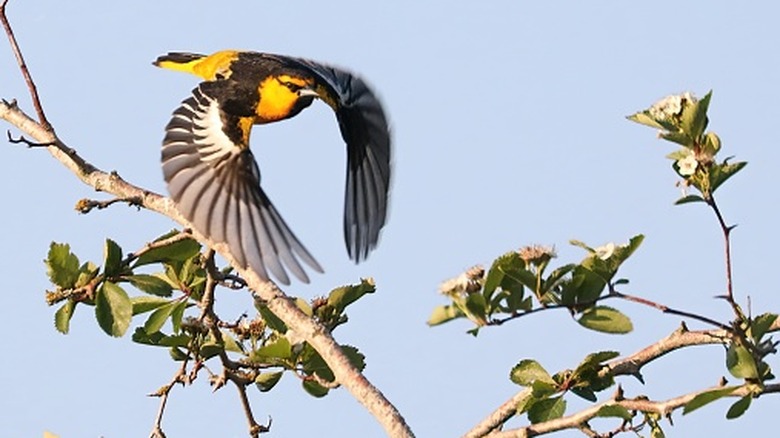
Orioles typically begin showing up to the neighborhood in the spring, but that doesn't mean you should wait until you've had your first sighting to set out your feeders. In fact, if you wait too long, they might miss your garden altogether. Orioles are habitual and territorial. This means that they will often return to the same location year after year. It also means that if you set up your feeders late, you will have a hard time luring them away from a different food source and territory they have already found and claimed.
If you want to attract orioles this spring, early April is the best time to start. Many people suggest setting out feeders by April 25, but it really depends on your location and when orioles typically show up in your area. The best way to determine when to set out your feeders is to keep an eye out for orioles and make note of what date you start to see them. Then, the following year, you can set up your feeders a few weeks before that day.
Using feeders that are too small
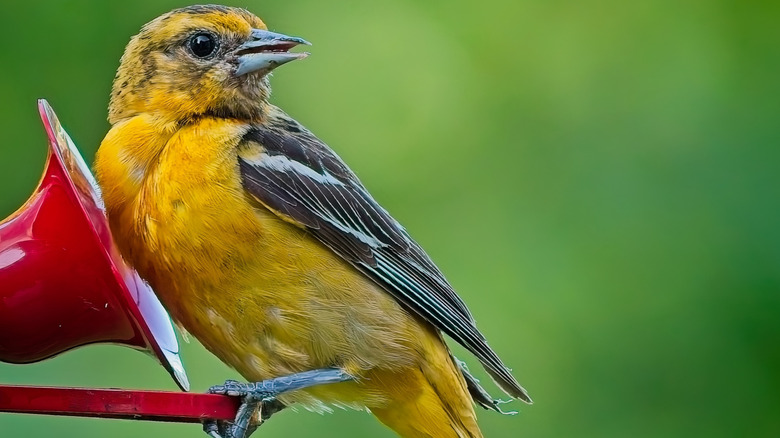
While orioles are frequent visitors of hummingbird feeders, there are better options out there if attracting orioles is your goal. Beyond the color preference of orange, rather than red, orioles are simply larger birds than hummingbirds are. This means if you offer feeders sized for pint-sized nectar lovers, orioles won't be as interested in stopping by, and you will attract fewer of them as a result. Smaller feeders make it difficult for orioles to perch properly and the holes can be too small for their beaks. This makes it difficult for them to access the sugar water solution inside of the feeder, meaning that ultimately, they may decide to move on to another nearby food source.
There are many simple bird feeders that'll attract more orioles to your yard. Instead of relying on hummingbird feeders, pick a feeder made for orioles specifically. Oriole feeders are orange and often feature sturdier, larger perches and nectar holes made for larger beaks. Many oriole feeders also include spikes for hanging orange slices and small trays for holding grape jelly.
Giving up too soon
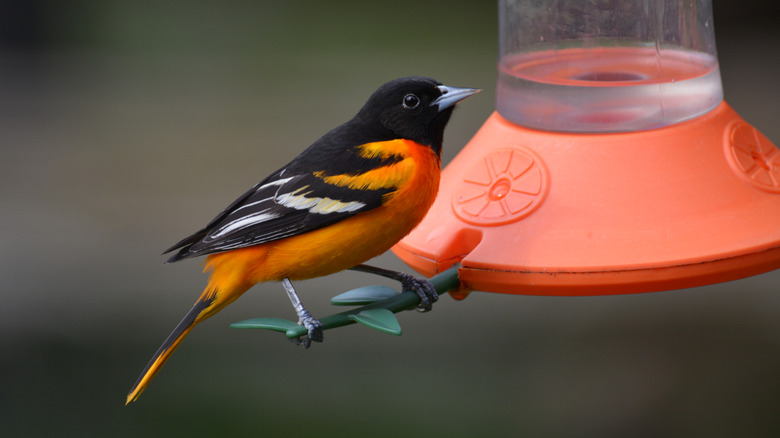
As we mentioned earlier, orioles are habitual, tending to return to the same food sources year after year. This loyalty is great when you already have orioles who have chosen your food source, but it can make it tricky to attract new birds to your garden. Perhaps one of the biggest mistakes you can make when trying to attract more orioles to your yard is giving up too soon. It can take a long time to attract orioles — sometimes several seasons. Giving up quickly means they could never discover your garden at all!
As with most things, consistency pays off. If you don't see any orioles the first year you put up your feeders, keep at it. Chances are good that if you continue putting out feeders and focus on avoiding possible pitfalls, you will eventually attract a handful of these colorful orange birds to your own backyard paradise. And once you do? They will keep coming back year after year.