

14 Tips To Encourage Frogs To Use The New Habitat In Your Yard
We may receive a commission on purchases made from links.
Frogs may be a little slimy and loud, but they are actually beneficial neighbors. These animals are incredibly efficient at keeping insect populations under control in your yard, and can be essential sources of food for other animals, like birds and small predators. To bring frogs to your home and help them stay and eat insects, you can build a frog habitat.
Frog habitats are relatively simple to make. There are all sorts of different designs you can go with, but the key points are that you need water, shade, and places to hide as well as reproduce. For example, you can easily DIY a cute frog hotel, which involves a large planter, some PVC pipe, natural plants, water, and small pebbles. You could also take one of those cheap plastic kiddie pools, set it in the ground, and fill it with rocks, plants, and water. Just make sure to have a way the frogs can get out as well, like a gradual ramp leading up over the edge.
After it's built, though, the question is how to bring frogs to your habitat. Even if your build is perfect, if the rest of your yard isn't, you might not ever have amphibians visit. There are a few ways to help entice these amazing and beneficial animals to your home and to take advantage of the hard work you put in, including making your whole yard more frog-friendly and providing hiding places.
Provide additional water sources
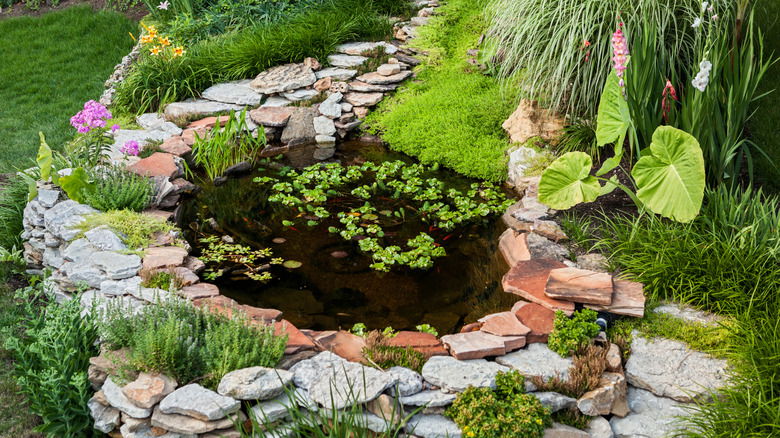
You've probably filled out this requirement in your frog habitat, but it never hurts to have more water. You can also have a few shallow pots filled with water, a pond, or even a stream in your yard to give them more welcoming areas near your frog habitat. This does have the unfortunate side effect of attracting mosquitoes to your yard and giving them a breeding ground, but considering frogs can eat up to 100 insects a day, that shouldn't be much of a problem.
Make sure your water feature is done right
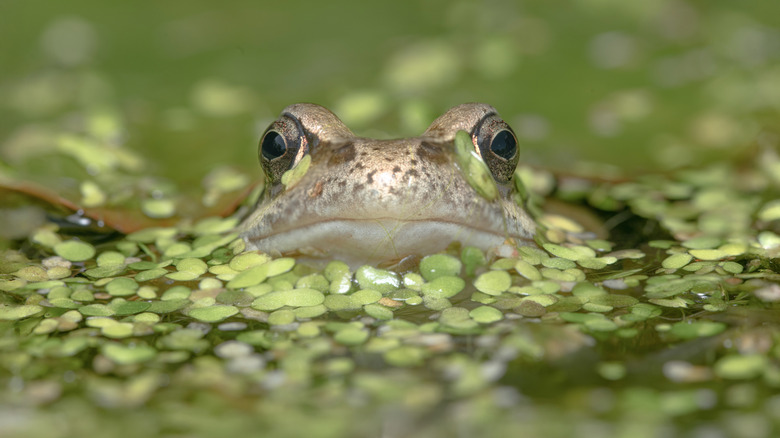
There are a few things to think about when it comes to your frog habitat's water. First, you need to make sure it is healthy for them. For example, tap water often has chlorine – especially in cities — which can hurt frogs, so you need to fill up buckets and let them air out a couple of days before topping off water features. Avoid strong filters and pumps, as well, which can harm small tadpoles and eggs. Finally, let a little algae bloom in your pond, as it's a food source.
Don't use any sort of pesticide
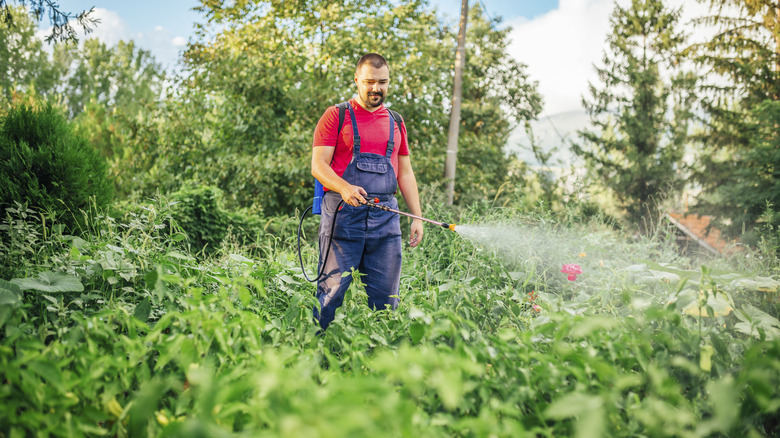
This is a big one. Any chemicals you use in your garden can cause harm to frogs, as they have very sensitive skin. This includes things like fungicides, herbicides, and insecticides, since they are still created with the intent to kill off something and can therefore poison the very animals you are trying to attract. If you hire a landscaping team, make sure you discuss the importance of not using any chemicals either. Try to talk to your neighbors about the dangers as well.
Fertilizers may be something else you have to abandon
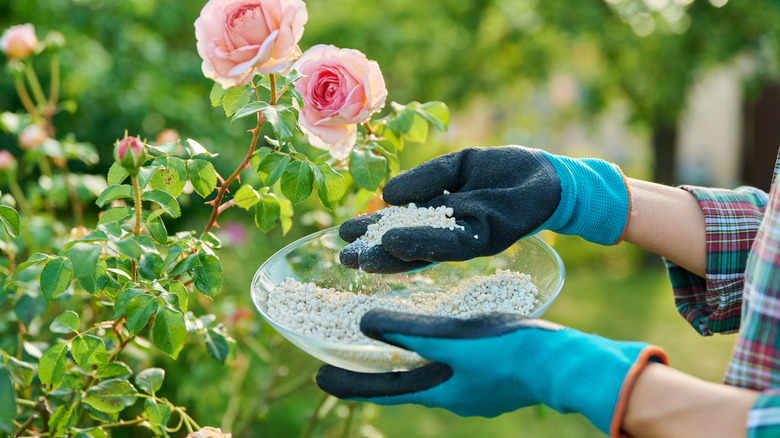
Like pesticides, fertilizers can also be dangerous. The nitrates in these mixes can easily kill amphibians of all kinds, including frogs, even at low levels. This is especially true when the fertilizers run into bodies of water, like your pond, because of rain. If you want to keep your plants healthy, you can look at using compost or grass clippings to add a boost of nutrients in a safer way. You can also get your soil tested to see if it even needs fertilizer in the first place.
Try to stick to high-quality mulch
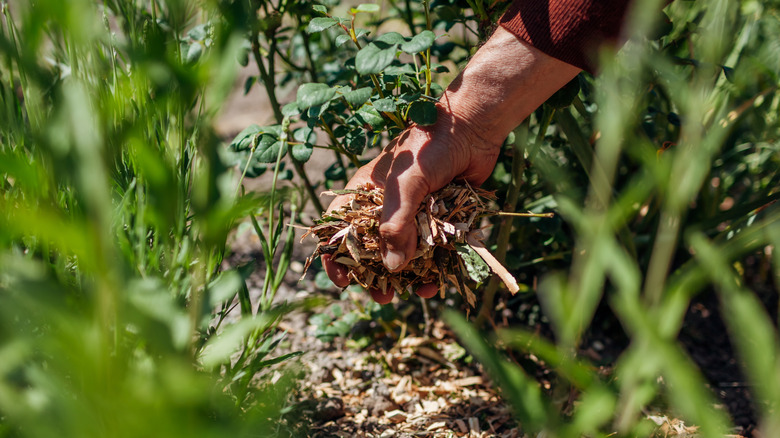
Mulch can be a good alternative to pesticides. However, if you like to use mulch in your yard, you may need to be careful about what you buy. Not all of these wood chips are made with high-quality materials, and some may contain chemicals or pesticides, all of which can be harmful to frogs. If you can, only pick quality mulch not sprayed with anything. Or, if that is not possible, create mulch-less pathways and areas where your frogs can safely explore and move around, especially near your frog habitat.
Be careful what fish you add
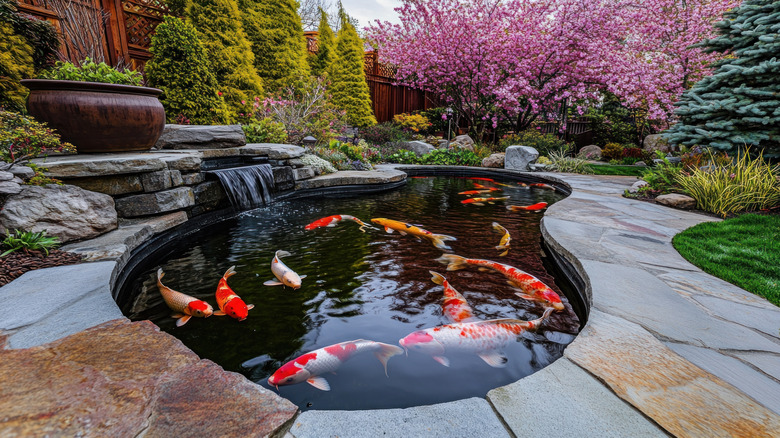
You might think it will make it more realistic and charming to add a fish or two to your frog habitat, but this may be why they aren't coming, instead. Frogs tend to lay eggs in and above water, and many fish will eat them and tadpoles, so these amphibians may end up looking for somewhere else to hang out and breed if predation is too big of a problem. If you already have fish in your pond, try to block an area from them so the frogs can breed in peace.
Have a few lights that are low to the ground
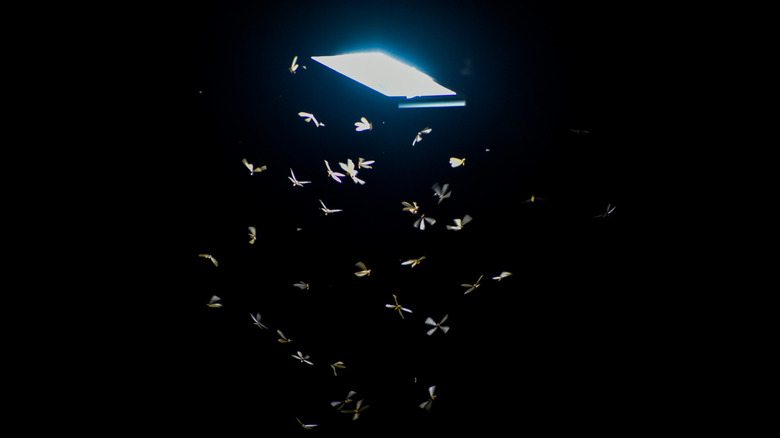
A few softer lights can be just what frogs need to give your yard a chance. They do a great job of attracting insects after it gets dark, which can make them perfect feeding grounds for your amphibious visitors, especially if you have them placed low enough that they can easily reach out and catch any pests with their tongue. Having too many lights can be a lighting mistake that's ruining your garden, but leaving a few on for just a few hours should be perfect.
Give them cool places to hide
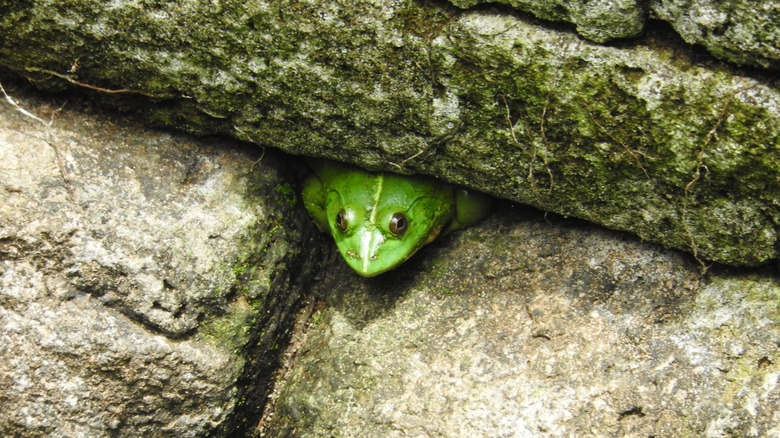
While frogs do eat tons of insects, they are also prey for many animals, so they need safe places to hide. If you have a more natural yard, this might happen on its own, as taller plants, dense brush, leaf litter, fallen branches, and logs can all act as a shelter. However, if your lawn is more level, you may need to create little areas with piles of dead leaves, rocks, logs, broken terracotta pots, and small man-made shelters like this Reptile Cave Habitat on Amazon.
Have a lot of soil
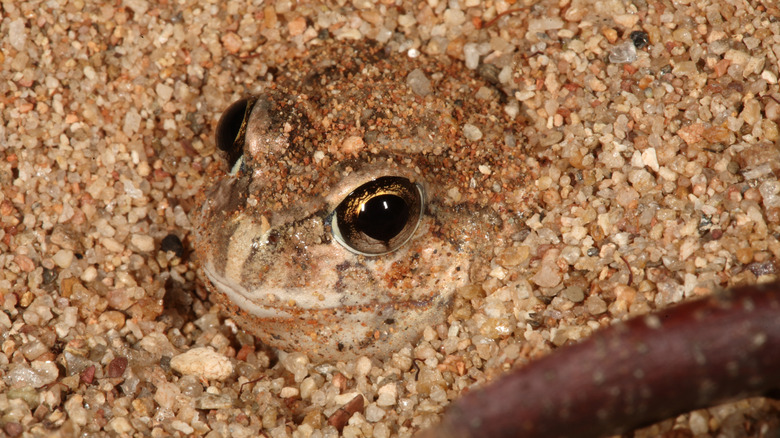
In addition to places for frogs to rest and hide, you may also want a lot of soft and loose dirt. There are some species that burrow. In fact, species like the Illinois chorus frog spend nearly all of their lives in burrows. So, having yards or areas with damp sand that stay relatively undisturbed around the edges of your ponds can really help these endangered animals find a home. But there are also plenty of other species that burrow for shorter times and would benefit from such a habitat.
Don't have a flat and even yard
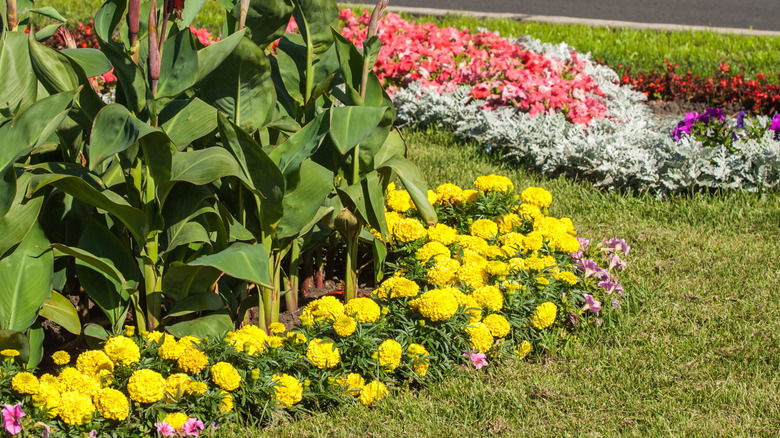
Another way to entice frogs to your yard is to have multiple heights. Short groundcover, tall shrubs, and flowers of all sizes in between are essential for biodiversity and give frogs plenty of room to climb and maneuver as they see fit. These animals tend to climb and jump, so they need a lot of different heights to stay sheltered, even when exploring your plants. A flat, well-manicured lawn doesn't offer the protection that a layered, diverse one will.
Native plants are always a bonus
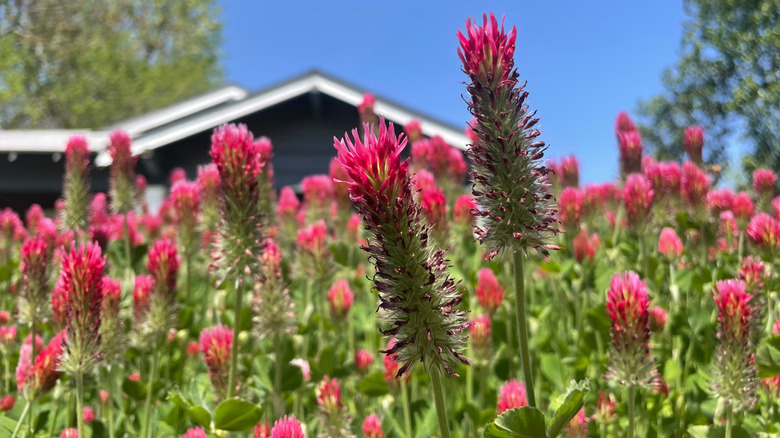
While frogs might not eat indigenous plants, planting them helps support the insects they rely on. This is because native plants turn your yard into a safe haven for fireflies, bees, butterflies, beetles, and more. Since they bring in insects, visiting frogs have plenty to eat and enjoy. Consider ditching at least part of your nicely manicured lawn and allowing some native plants to take space in your yard. They come in many different colors and care levels, so you're sure to find something you like.
Think about frog hazards
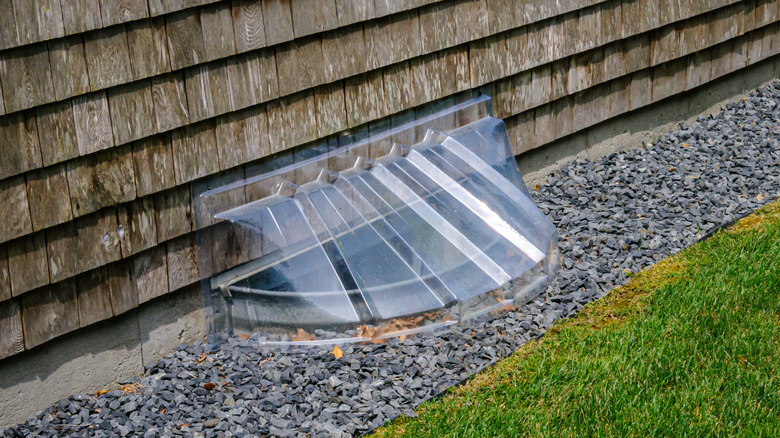
As a human who is much taller than a frog, it's not always easy to think about things in your yard that could be a hazard. Despite their ability to jump, frogs can become trapped in areas like pools with high sides or window wells. If you can, it's best to add covers to both of these when not in use to protect all visiting wildlife, and not just frogs. However, if that isn't practical, you can also create escape methods, such as a textured board at a roughly 45-degree angle.
Keep your pets and children contained or separated
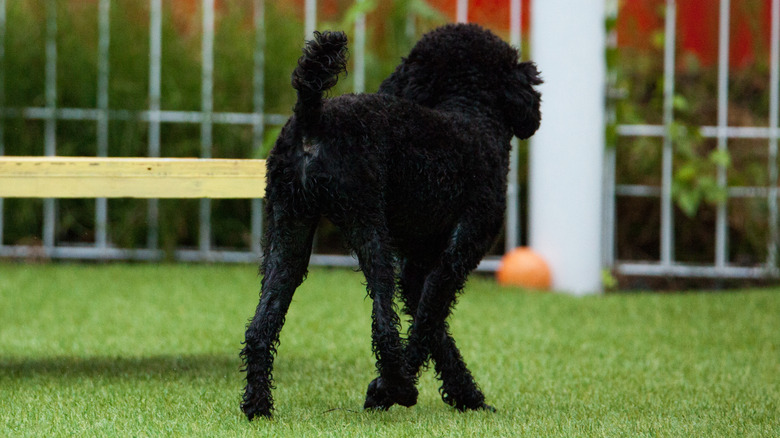
If you have dogs or cats, you may want to consider fencing off the part of your yard where your frog habitat is located. It's easy to think of our pets as innocent creatures, but many of them have a natural prey instinct and can injure animals like frogs. In fact, cats are one of the top causes of bird deaths because of this instinct, and they won't hesitate to chase frogs either. If you don't take the time to create separate yard areas, you are doing more harm than good to your little frog visitors.
Leave the frogs alone
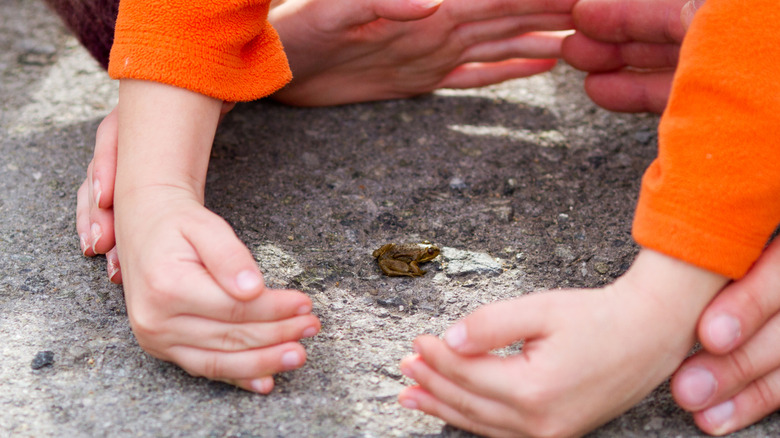
The final way to help bring frogs into your yard is to leave them alone. When you see your first frog, or there is one near your home, or at a store, you may consider moving it from where it was to your frog habitat. However, all this does is scare frogs so they leave and don't come back. Though it's hard to be patient, you want to make sure they are as content and relaxed as possible, which means not picking them up or trying to chase them into the habitat.