

The Pretty Pink Perennial Pollinators Love That Flourishes In The Shade
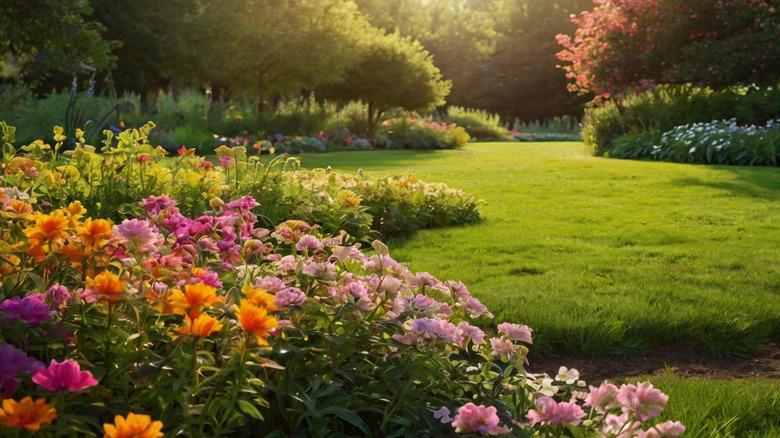
Are you keen to attract pollinators such as bees and butterflies to your yard but are worried that it won't be possible because you have too many shady areas? Well, you don't necessarily have to have a sun-soaked property in order to entice these lovely, pollen-spreading creatures into your outdoor space. There is actually one charming pink perennial that can bring more pollinators into your yard and garden, even when planted in a shadier spot.
That flower is red campion (Silene dioica), also known by other common names such as ragged Jack and poor Robin. This charming pastel pink flower sports distinctive petals which are connected at the base to form a sort of cup shape, making them a perfect landing spot for local pollinators. In addition, this perennial produces plenty of pollen, attracting bees and butterflies with a burst of flowers throughout spring and summer, with some of the blooms even appearing through early fall. Red campion also grows well in partial shade, meaning that it doesn't need to have a full day of direct sunlight in order to turn your yard into a thriving pollinator hub. So, if this sounds like a flower that might be a good fit to help you start a pollinator garden, you may want to first familiarize yourself with its preferred growing conditions in order to make sure that that this sweet pink flower thrives on your property.
How to grow red campion
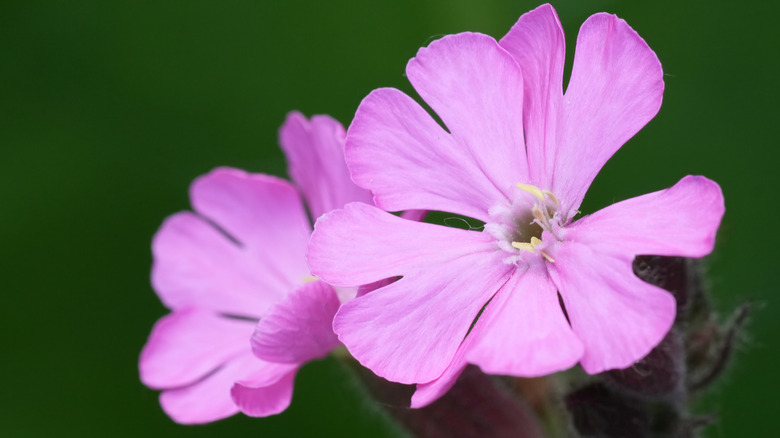
The red campion is native to Europe, though it has since been broadly established in the United States, as well. This plant is a perennial in USDA Hardiness Zones 5 to 8. It grows well from seed, reaching about 2 to 3 feet in height, in soil that is moist but not overly soggy. So, to ensure that the roots don't stay too wet, try planting this flower in soil that has been mixed with sand or gravel, as this promotes better drainage.
Red campion also enjoys being shaded from strong afternoon sunlight, so it can be a good flower to plant in edges, borders, or flower beds located on the eastern side of taller trees, hedges, or fences. If you want to fill your yard with color, you can plant red campion alongside other campion species such as white campion (Silene latifolia). However, keep in mind that these two flower species can crosspollinate when planted near each other, which can cause the next year's blooms to take on different colors or hues. To encourage the flowers of your red campion to return for a second round toward the end of summer and the beginning of fall, try cutting back the stems after the first flowering in order to motivate the plant to focus on growing new blooms.