

Say Goodbye To Wasps With Herbs They Can't Stand
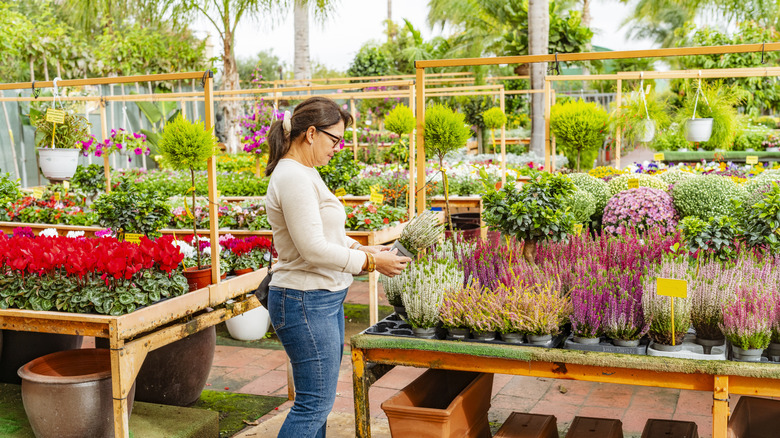
The weather is warming, and while that means you get to comfortably spend more time outside enjoying a nice breeze, it also means stinging insects are on their way to do the same. Wasps especially are aggressive, and they can ruin the fun fast. While there are plenty of ways to get rid of wasps, most folks just grab a bottle of chemical-laden bug spray and aim it at them. However, there's a far more natural, sustainable, pretty, and even delicious alternative you should consider for keeping these annoying pests at bay: thyme and rosemary plants.
By strategically planting a few of these lovely herbs around your patio, you can establish a safe zone in your outdoor space while adding beauty to your garden at the same time. But how exactly does this work? Like many insects, wasps rely on their sense of smell for many tasks, including navigation and finding food. Fragrant plants like thyme (Thymus vulgaris) and rosemary (Salvia rosmarinus) can overwhelm their olfactory senses, encouraging them to move on to another area. These herbs' wasp-repelling nature is just one of many benefits of planting rosemary and thyme together in your garden. What's more, both thyme and rosemary thrive with basic garden care; between them keeping wasps away and adding a little boost to your dinner as needed, planting both together is just plain smart.
How to create a natural perimeter with thyme and rosemary
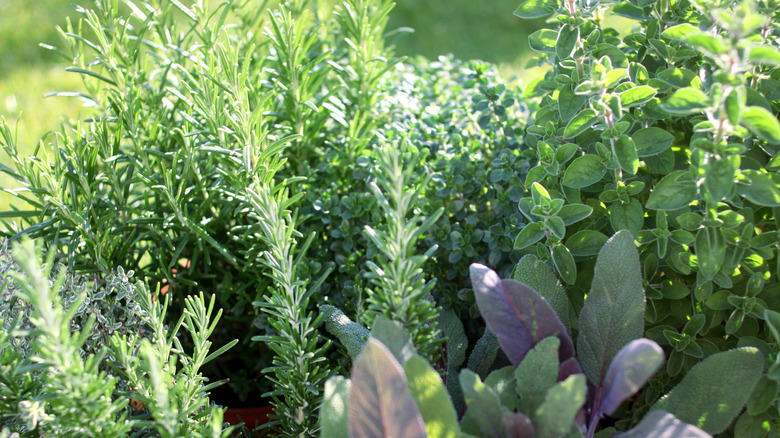
Integrating these aromatic herbs into your garden is easy. Thyme thrives in USDA Hardiness Zones 5 to 9, while rosemary is hardy in zones 8 to 10. Both prefer well-draining soil and lots of sunlight, perfectly aligning with the warm sunny vibes wasps love.
For this herby hack to work best, plant your thyme and rosemary near the location where you'll be spending time outdoors. Planting both in a container is a great way to go about this, as you can scoot the pot around as needed and stay protected, whether you're at your patio dining table or relaxing on your poolside loungers. If you'd rather have them in the ground, keep them close to the outdoor areas you use the most — for example, along the border of your patio or walkways.
That said, while these herbs are great for deterring wandering wasps, they're not a magical cure-all for an infestation. Make time to carefully inspect your home's exterior, patio eaves, and even your fencing if you're consistently seeing multiple wasps around. If you spot a live wasp nest, your best bet is to call a professional exterminator, and to make sure you don't have things that attract wasps nearby. For everyday prevention, though, embracing the delightful-smelling power of thyme and rosemary is a great way to reclaim your outdoor spaces.