

Ditch Basic Concrete: Elevate Your Landscaping With This Appealing Walkway Option
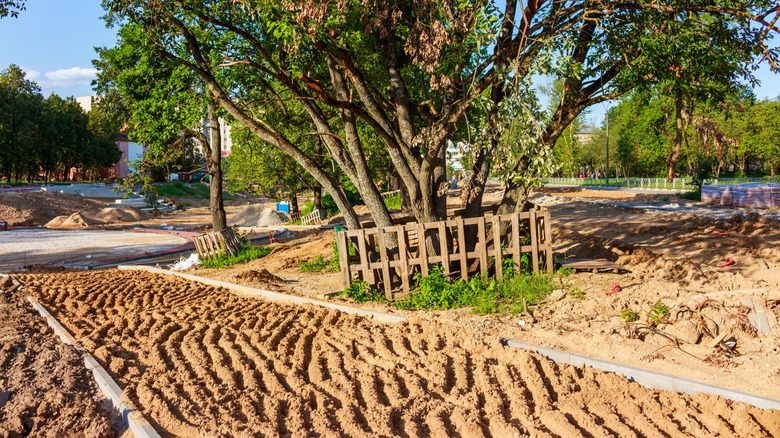
Walkways are an aesthetic and functional improvement for any residential property. For one, they provide a safe, stable surface for getting around a front yard or backyard. They can also be a stunning focal point in a garden. Combined, these attributes can boost your home's curb appeal. When selecting a material for your new walkway, there are more than a few reasons to ditch concrete in favor of more elevated options. If you are looking for stunning stone walkway ideas, you can't go wrong with durable, versatile, and attractive bluestone.
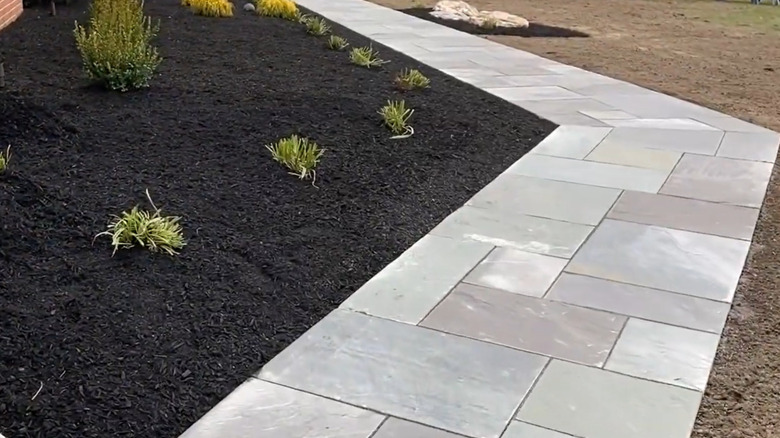
Bluestone is a type of sedimentary rock that is quarried in the northeastern U.S., including Pennsylvania, New York, and Virginia. Just like the historic bluestone found on stately buildings of yesteryear, the bluestone used in landscaping today comes in a range of hues — from blue-gray and lavender to tan and brown. You can buy slabs with a natural surface, the same as they were when hauled from the ground. Otherwise, the stone is heat-treated to flatten the surface. No matter what you choose, bluestone is visually appealing, functional, and versatile — suitable for walkways through lawns or bordering garden beds, pools, or patios.
The many reasons to consider installing a bluestone walkway on your property
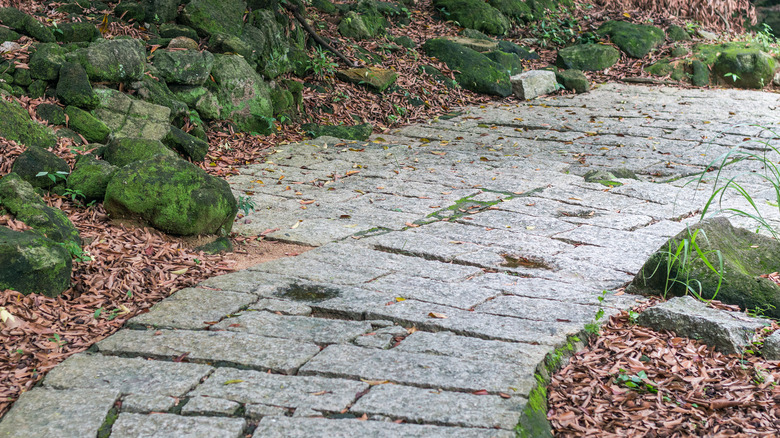
If you want a walkway that is both beautiful and durable, bluestone is a quality choice. The stone, which boasts a hardness of 7 on the Mohs scale, isn't easily damaged by harsh weather conditions, fluctuating temperatures, or heavy foot traffic. If you have an active family or are constantly pushing a wheelbarrow around your garden, consider this stone. While bluestone, like all natural materials, will slowly erode, the rich colors and the natural variations in surface texture that make each slab unique will remain intact. In fact, bluestone develops a natural patina through oxidization, weathering, sun exposure, and use that actually improves its mechanical and visual properties.
Safety is another consideration for any homeowner installing a new walkway on their property. The textured surface of each bluestone slab is naturally slip-resistant, making it ideal for paths around swimming pools, hot tubs, and water features. Combine your new bluestone path with outdoor walkway lighting ideas that add ambiance and make your yard safe.
Given its traditional origins, bluestone obviously works well in the yards of historical homes, adding a touch of sophistication to walkways and garden paths. In fact, many notable structures and areas of the U.S. feature bluestone, from the buildings of Princeton University and Cornell University to Fenimore Art Museum and the sidewalks of New York City. Worried a bluestone path is too traditional for your modern property? Don't be! It pairs beautifully with contemporary materials like steel and looks great in a trendy tropical garden.
Using bluestone for walkways isn't without its disadvantages
When considering a bluestone patio, you don't look past the essential details, right? You should take the same approach when using this hardy material for walkways. Along with the many advantages of this stone, there are a few drawbacks to consider. For some homeowners, bluestone could be challenging to maintain. Ideally, you would seal your new walkway to extend the life of the stone. While bluestone is among the most durable natural building materials, it's not infallible. For example, bluestone pavers can crack, chip, or flake with dramatic freeze-thaw cycles. If you choose not to apply a sealer, the stone may weather or discolor over time. Applying a sealant specially formulated for bluestone also helps protect your path against moisture infiltration and staining.
Another potential downside to using dark, dense bluestone for walkways or paths is heat retention. The material doesn't just absorb heat from the sun, it also retains it. (It radiates it back into the environment when the air cools overnight.) This means the surface can get really hot to the touch, especially at the height of summer. You may quickly regret walking barefoot on your new pathway on a sunny afternoon. Watering your bluestone pavers with a garden hose on particularly hot days can help cool the path, as can planting trees nearby for shade and selecting the lightest-colored slabs.