

Eco-Friendly Swaps For Every Area Of Your Home
We may receive a commission on purchases made from links.
Creating a more sustainable home doesn't have to involve major renovations or a big lifestyle overhaul. There are meaningful swaps you can consider, that might seem small, but can still make an impact. From the bathroom to the backyard, eco-friendly swaps offer practical ways to reduce waste, conserve resources, and lower your household's environmental impact. Ahead, we rounded up some fairly simple swaps you can make to create a greener home.
While we've talked about eco-friendly home renovations, this list focuses on smaller projects. They're tasks you can take on yourself, sometimes with minimal effort, others with a little more elbow grease, but all doable for most homeowners (and some that even renters can try too). We focused on keeping these swaps easy and cost-effective. If you're looking to live more sustainably, here are some changes you can make all around the home to embrace a greener way of living.
Replace your grassy lawn
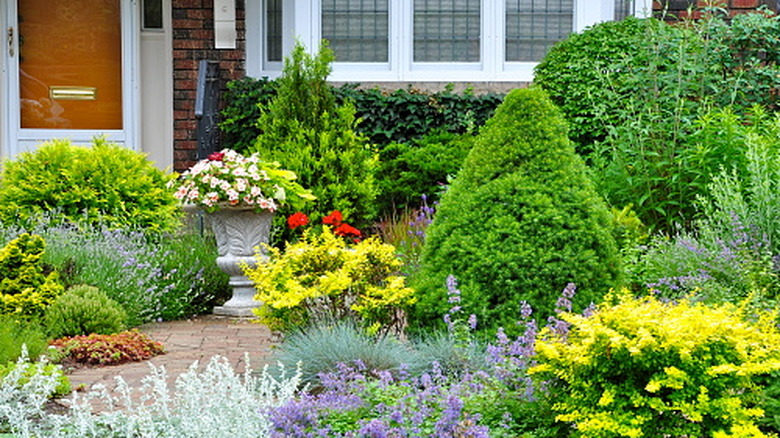
Around 30% of daily water use by households in the US is used outdoors for tasks like gardening and lawn care. This amounts to nearly 8 billion gallons of water a day. That's no small amount, so any reduction in water use for yard maintenance is a good thing. Grass lawns are notoriously thirsty, so if you're looking to conserve more water as a household, swapping your grass for other plants is one way to do so. While it's a bigger project upfront, it will give you long-lasting and often low-maintenance results.
This can look like replacing your lawn entirely, or just altering sections of your landscape to include more water-smart foliage. Understandably, you might still want to maintain sections of lawn for kids, pets, or outdoor recreation, but reducing the amount of turf can help with your overall water usage. Consider eco-friendly grass alternatives for a yard that's still beautiful, lush, and green, but that doesn't require as much watering.
To improve your garden's environmental footprint, prioritize native plants that have low watering needs. Once established, these usually require little more than normal rainfall to maintain. Also, since they're accustomed to the area, they also tend to require minimal fertilizer. Consult your local extension service for plant options that are good for your region. Even better, consider adding some pollinator-friendly plants to benefit the local ecosystem. There are plenty of stunning flowers that attract pollinators and that are easy to grow from seed.
Swap out your hose or sprinklers for water-saving irrigation systems
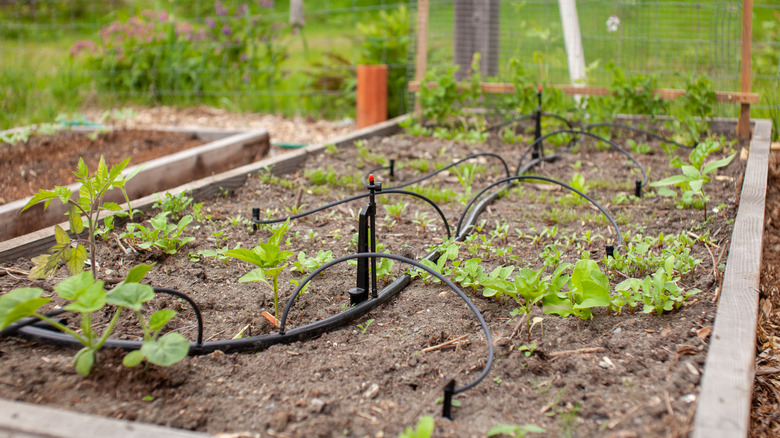
There are more efficient, convenient, and resource-saving options for watering your yard than taking out your hose or putting your sprinklers on a timer. It's estimated that up to 50% of outdoor water use goes to waste because of inefficient watering systems. Factors like evaporation, overspray, run-off, incorrect water pressure, and inefficient watering habits all contribute. A more targeted approach can curb water wastage.
To save water (and often save time), swap to WaterSense irrigation systems. WaterSense-labeled products meet U.S. Environmental Protection Agency (EPA) criteria for efficiency, which means they save energy and use at least 20% less water, but still perform as well as comparable products. You can find both weather-based and soil moisture-based irrigation controllers with WaterSense labels. The Rain Bird ARC8 Residential Irrigation Controller is an example. Another option is to buy a WaterSense-labeled spray sprinkler body, like the Rainbird 1800 Series Pop-Up Sprinkler Head.
Micro irrigation, also known as drip irrigation, doesn't often come with a WaterSense label. However, because these solutions are so low-volume, they automatically save up to 50% less water compared to many other watering systems. The simplest option is a soaker hose, like the Gilmour 50' Soaker Hose that sits on the ground and has small holes to drip water. A proper drip irrigation system, like the Carpathen Drip Irrigation System Kit, is a more customizable and longer-lasting option.
Swap out gas power tools for electric tools
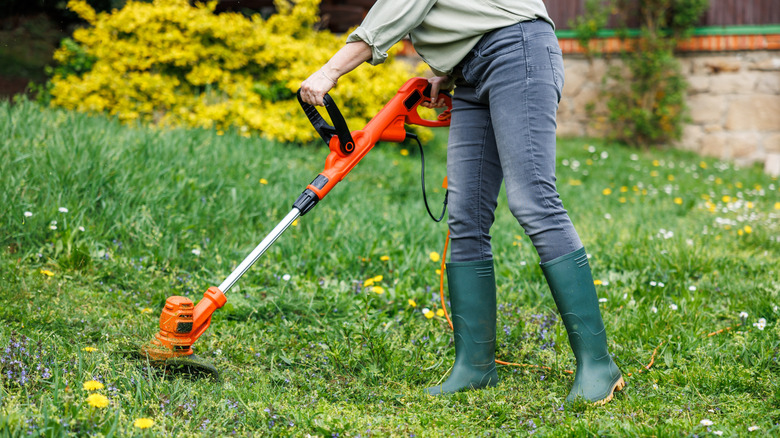
Though they often come at a higher cost than gas tools, electric tools tend to be more efficient and emit less air pollution. That's a win-win: you don't have to breathe in stinky fumes, and it's likely more eco-friendly overall, especially if your home is powered by renewable sources. Overall, the sustainability of gas vs. electric tools isn't as easy to measure, since it depends on where you get your electricity from, but the impact on air pollution is quantifiable. Gas garden equipment produces up to 5% of air pollution in the U.S. and contributes to harmful ground-level ozone, which can be harmful to sensitive populations. Electric garden tools still have an environmental footprint, since they have batteries and require power for charging, but at least they don't produce fumes while you use them.
You can pretty much find an electric version of any gas-powered garden tool, including ones made by many of the best power tool brands. You can start by replacing a stinky and loud heavy-hitter, your gas mower, with something like the Ego Power+ Electric Lawn Mower. You won't experience exhaust from a gas string trimmer either, if you swap it for a battery-powered model like the Black+Decker 20V Max String Trimmer and Edger. Even heavy-duty tools come in powerful battery-powered versions these days, like the highly-rated Greenworks 80V 18" Brushless Cordless Chainsaw.
Swap out old plumbing fixtures for WaterSense fixtures
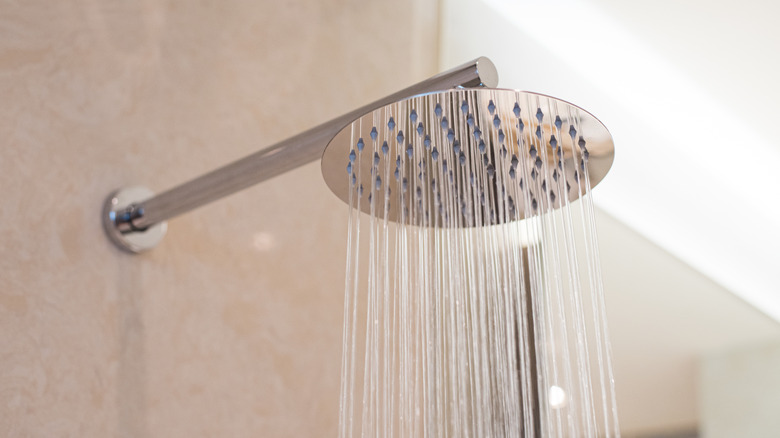
Swapping out older, less efficient plumbing fixtures for WaterSense-labeled products is another way to save more water as a household. Best of all, once new fixtures are installed, you don't have to do anything. They do the water saving for you, so it's a modest project with long-term gain. WaterSense products meet the EPA's criteria for water efficiency and are 20% more efficient than comparable products. Importantly, they still perform as well (sometimes even better) than their less-efficient counterparts. Some WaterSense partners even offer rebates to those who buy from them.
For homes, WaterSense-labeled toilets, shower heads, bathroom faucets, and aerators are available. They can offer a decent amount of water savings. In an average family home, a WaterSense bathroom faucet can save 700 gallons of water a year, and an approved toilet can reduce flushing water use up to 60 percent. Just note, WaterSense doesn't label kitchen faucets (they need a higher flow rate to accomplish kitchen tasks). For eco-friendly options, look for kitchen faucets with a flow rate of 1.8 gallons per minute or less.
Upgrade older appliances to Energy Star rated appliances
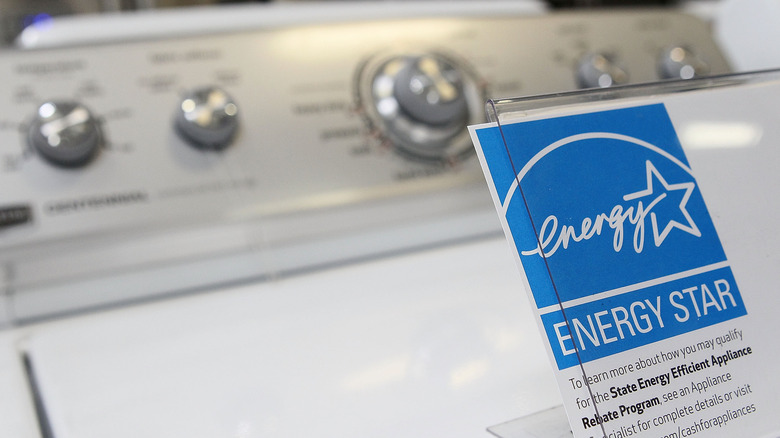
Eco-conscious consumers know to look for the Energy Star label when they're shopping for new appliances. Launched in 1992, it's now a robust program that covers many home appliances, from heat pumps to refrigerators. The amount of energy savings gained by Energy Star appliances ranges between categories. However, they all meet efficiency criteria set by the EPA.
Keep in mind that swapping out all your appliances at once is expensive and not necessarily the most sustainable choice. It can be just as or more eco-friendly to use the items you have until the end of their working life. But as appliances are coming to the end of their lifespan, it's pretty much a no-brainer to look for Energy Star models. They're easy to find and available from many top brands. Some may come at a higher upfront cost, but you can save down the line in energy and sometimes water costs, and appreciate the immeasurable satisfaction of doing your part for the planet.
Switch plug-in outdoor lights to solar-powered lights
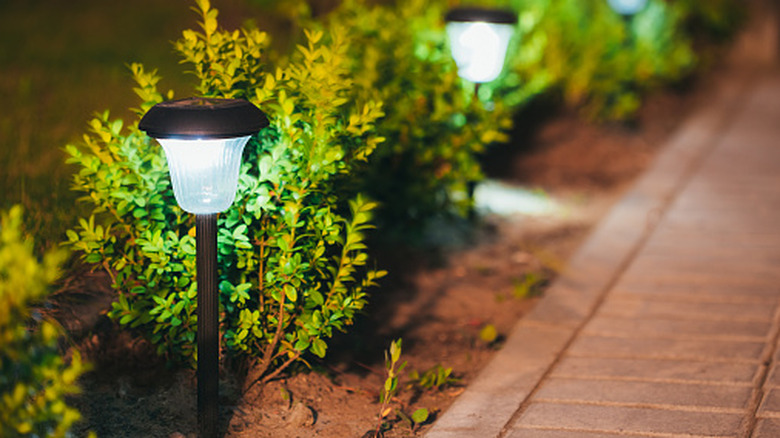
The EPA recommends using solar-powered and energy-efficient lights for outdoor landscaping. Solar-powered lights are a great choice because they are entirely self-sufficient, harnessing the power of the sun rather than using electricity from the grid. Those have the benefit of added flexibility, since you can install them pretty much anywhere with enough sunlight, and there are no unwieldy cords or proximity to outlets consider.
Solar-powered lights can be a bit less dependable, especially in cloudy climates. For outdoor lights where you count on their reliability, like for security lighting, you might still want to keep some hardwired lights. But for pretty much anywhere else, solar-powered lights are a great option, and they come in a variety of models. A product like the Ring Solar Pathlights can illuminate pathways without needing to deal with power cords. The Nymphy Solar Spot Lights can highlight landscaping features or function as practical lighting. Or, for more ambient lighting, options like Brightech Ambience Pro Solar Outdoor String Lights don't require a nearby outlet.
Swap dryer use for hang-drying in nice weather
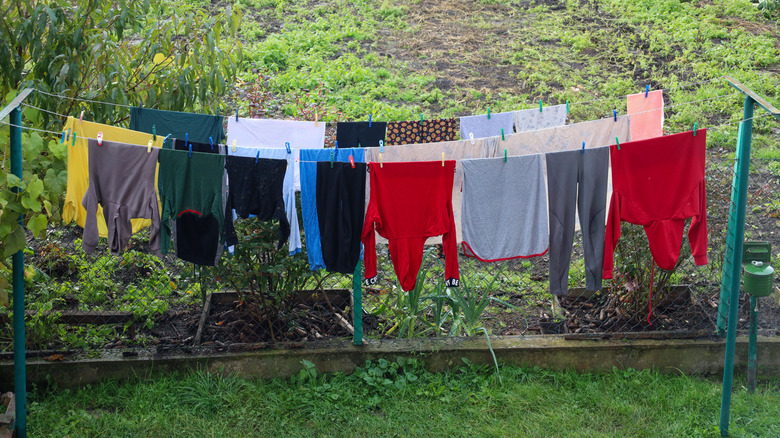
Using the dryer might be the fastest way to dry laundry. But air drying it is free, and more importantly for sustainability, it doesn't use any energy at all. Now, this doesn't mean getting rid of your dryer entirely (it's nice to have when it's rainy or humid). Simply swap its use for air drying when it's nice out. If you need a tangible reason, a study from the University of Michigan found that over the lifetime of a dryer, exclusive air drying instead could save a household over $2,100 and 3 tons of CO2 emissions. Plus, it's better for your clothes, too.
Installing a convenient air drying solution makes it more appealing to hang dry. It can be tempting to choose the dryer if you always have to pull out and set up a drying rack. If you have some outdoor space, add a clothesline, rotary clothes rack, or portable rack so you can take advantage of sunny days. The GorillaLine Retractable Clothesline tucks out of sight when it's not in use. The Brabantia Rotary Clothesline is a high-capacity option. If you can't install anything, the Daytek Portable A-Frame Clothesline offers 72 feet of drying space on a compact unit.
Swap out chemical pest control methods to natural or non-toxic products
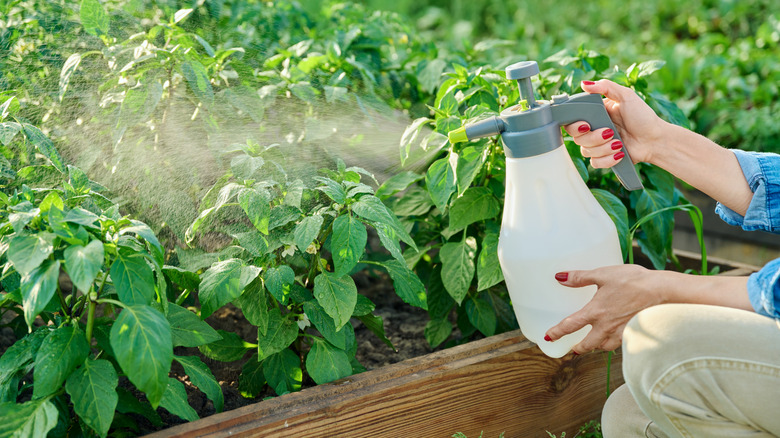
Pests can disrupt your home or garden. However, harsh pesticides and poisons can have a range of negative environmental impacts, so even if they're easily accessible, it doesn't mean they're the best choice. Luckily, there's almost always a physical or less toxic option you can try first.
When it comes to pests like rodents, poisons don't discriminate. If children or other animals get to the source (or ingest the rodent after it's eaten poison), they can face negative effects. Instead, consider physical means to remove pest animals. Humane, catch-and-release traps are unlikely to hurt your pets. So try these methods first before resorting to potentially dangerous poisons.
Many garden pests can also be controlled using less toxic products. The first product you encounter on the hardware store shelf might not be the kindest to the environment. In general, first try physical methods when possible. For example, slugs can be removed by hand, and aphids can be knocked off plants using a garden hose. Second, try lower-toxicity products like insecticidal soaps, horticultural oil, neem oil, essential oil insecticides, and diatomaceous earth. Harsher synthetic insecticides should be a last resort.
Swap out window treatments to more energy-efficient options
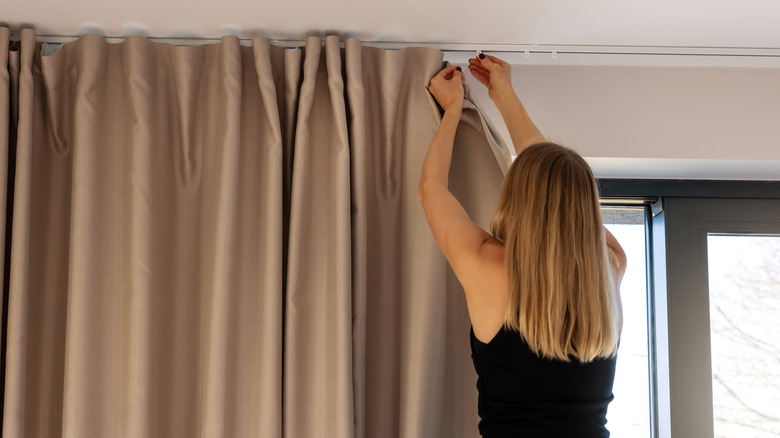
Windows can be a major source of heat loss and gain. In the winter, they lose around 30% of a property's heating energy. In the summer, over 75% of the sunlight that hits double-pane windows adds heat to the home. The right window treatments can dampen these effects. There are a lot of options that can be aesthetic and add privacy in addition to being eco-friendly. Consider your door treatments as well. If you don't want heavy drapes, there are other ways to cover sliding glass doors that aren't curtains.
For a reliable, measurable difference, look for products with the Attachments Energy Rating Council (AERC) certification. This gives products a numerical energy rating, so you know how efficient they will be for reducing heating or cooling costs (some will do both). However, most good window treatments will improve energy efficiency compared to having nothing or thin window coverings. Popular choices for better energy efficiency include insulated cellular shades, blackout curtains, louvered blinds, and window films.
Replace your thermostat with a smart model
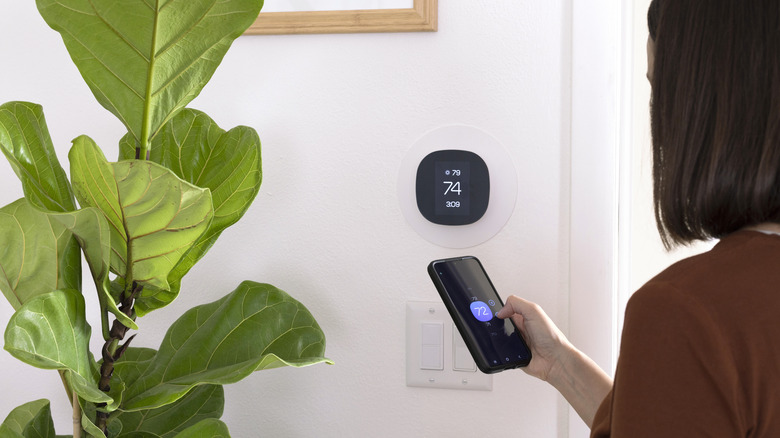
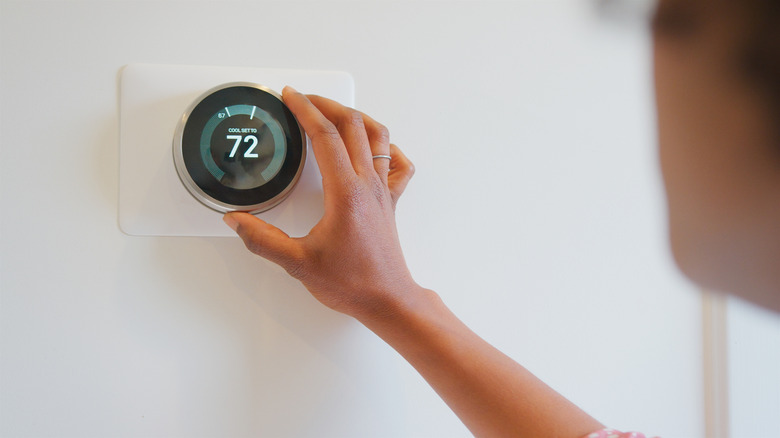
Smart thermostats are often marketed as a way to save money on heating costs, but using less heat helps the environment, too. Smart thermostats save an average of 8% on heating and cooling bills per year. They're also just so convenient, letting you set schedules and control heating remotely. Geofencing features are great to take advantage of. They detect when you're home or on your way home and adjust the heat or cooling to optimal levels. Then, they save energy when you're away.
The Amazon Smart Thermostat and Google Nest Thermostat are two popular products, but there are many more on the market. If you have other smart devices, consider what works best for integration. If this is your first smart device, consider these best smart thermostats, according to reviews, which are all Energy Star-certified. Not only do these thermostats help to make cooling and heating more efficient, but Energy Star certified smart thermostats use less power themselves since they have a standby mode.
Swap out old light bulbs for LED options
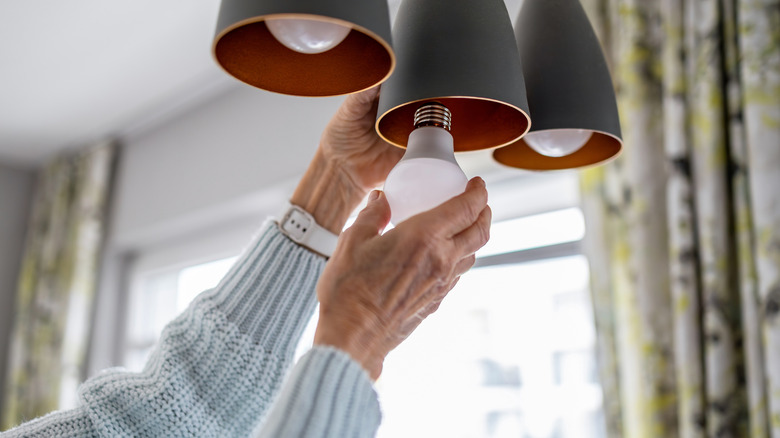
Around 63% of U.S. homes use mostly LED bulbs for indoor lighting. That still leaves nearly 40% using other bulb types. If you're one of those households, it makes sense to swap to LED. They use over 75% less energy than incandescent bulbs. They also emit less heat than both incandescent or CFL bulbs, and last longer than both bulb types, too (up to 5 times longer than CFL, and up to 25 times longer than incandescent).
LED bulbs are another product that you can find Energy Star certified. There's no shortage of choices, now that LED bulbs are so common. The Feit Electric A19 LED Light Bulbs are useful for all sorts of common light fixtures. You can also find LED bulbs that feign a vintage look with an exposed filament, like the EcoSmart E12 LED Vintage Edison Light Bulb.
Swap out standard bulbs for smart bulbs, where it makes sense
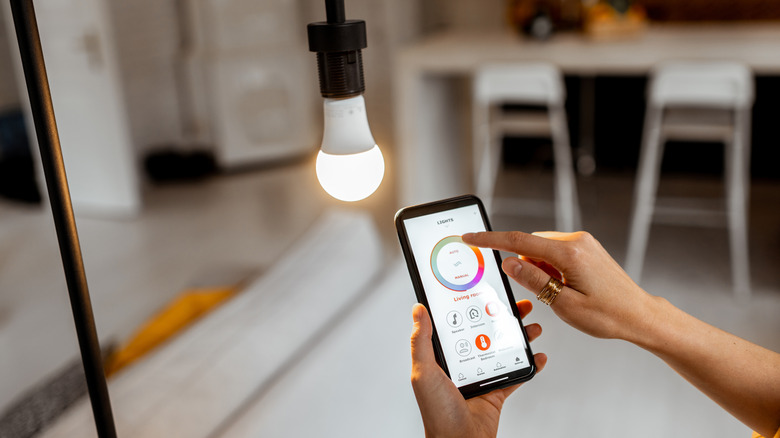
LED bulbs will do a great job in reducing energy use in some areas, but in others, smart bulbs can be even better. Most of them are LED too. Timers and dimmers are another effective way to save energy. Smart bulbs let you do both easily, right at the bulb, and are conveniently controlled from a smartphone. They're also excellent for setting schedules, which can improve your home's safety or prevent you from accidentally leaving lights on.
When choosing where to swap a regular bulb for a smart one, consider your usage habits. For example, you might not want a smart bulb for a high-traffic bathroom, where people are often coming through and turning the light on and off. Smart bulbs require the power to the light to be on for control, so they're not reliable for lights that are often switched off. However, you might want one for a living room or bedroom, where you're more likely to take advantage of the dimming feature and might want to put lights on a schedule. It's not only about function either. A popular option like this Philips Hue Smart White and Color Bulb lets you change the bulb temperature and color to create a whole new vibe.
Swap out regular outlets to in-wall smart outlets (or use a smart plug)
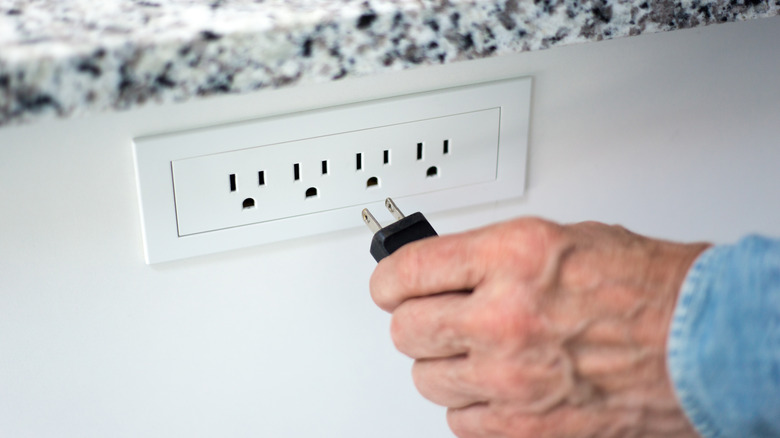
Smart bulbs are a good option for lighting fixtures, but what if you want to control other electronics and appliances? Smart plugs and smart outlets can help. Wired-in smart outlets are great if you want a more permanent option. They require installation, but if you're using them long-term, prefer their sleeker look, and want ultimate control of whatever you plug in, they're a good choice. They can be budget-friendly too. For example, this four-pack of Geeni Smart WiFi in-Wall Outlets costs just shy of $60.
Smart plugs plug right into a regular outlet and offer the same control benefits, without the installation process. If you're a renter or don't want to replace outlets, they're bulkier but a more flexible option. The TP-Link Tapo Smart Plug Wi-Fi Mini is incredibly easy to set up. Both smart plugs and outlets can give you the power to turn devices on and off, set timers and schedules, as well as track energy use, all of which can help you save energy in the long run.