

The Eye-Catching Bleeding Heart Variety With Beautiful Blooms From Spring Until Fall
If you have a shade garden and particularly discriminating tastes, you're likely familiar with the captivating bleeding heart (Dicentra spp.) plant. This showstopping perennial is a long-time favorite for many gardeners, prized for its unique, drooping blooms. There are numerous different types of bleeding heart plants all featuring a range of flower shapes and colors. There are several distinct species and an array of hybrids to choose from, but one stunning bleeding hearts hybrid that's especially eye-catching is the Dicentra Candy Hearts.
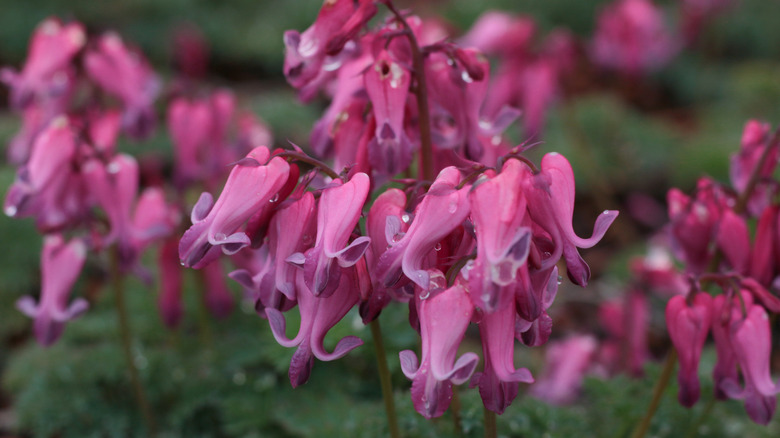
Like many other cultivars, this plant features mounding, fern-like foliage and dangling heart-shaped blooms. However, the Candy Hearts plant produces a dusty magenta flower with a dramatic flourish curling out from its heart-shaped bloom. It can grow up to 10 inches tall with a 24 inch spread. This perennial flower blooms from spring until fall and is suitable for USDA hardiness zones 3 to 9. The Candy Hearts is also known to attract butterflies and hummingbirds. Keep in mind that this plant, like all other bleeding heart cultivars, is toxic when ingested. It's completely safe to handle — just be cautious around pets and small children.
How to grow and care for your Candy Hearts
It's not too difficult to successfully care for this bleeding heart cultivar. These beauties do have specific care requirements, but as long as you set them up in the proper environment, they're considered low maintenance. You can find this cultivar at your local garden center or online to ship to your home. Once you have your starts, find a suitable spot for your Candy Hearts plants. These prefer partially shaded or shady areas with rich soil. They can be a great addition to a container garden or even as an indoor plant. Keep in mind that they don't tend to hold up to pollution well, so be sure to plant them somewhere shielded from car emissions and heavy traffic.
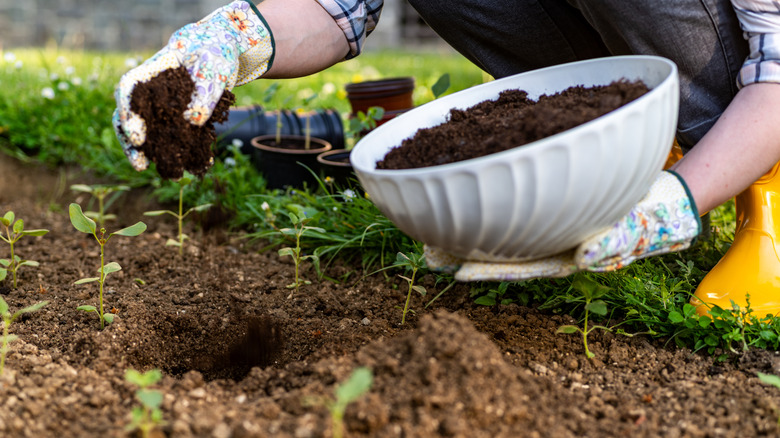
After you pick out a good location for your Candy Hearts plants, transplant your starts 18 inches apart in well-drained soil. Be sure this plant stays moist. They can benefit from a generous layer of mulch over the root area to better retain moisture. It's also a good practice to give it a dose of fertilizer monthly. Regularly deadhead spent flowers to encourage more blooms. If you notice ragged, chewed up leaves, discoloration, or sticky residue, these are all signs your bleeding hearts have a pest problem. Common pests you may see hanging around the Candy Hearts include aphids, scales, slugs, or snails. Send these pesky intruders running with neem oil or eco-friendly insecticide soap.