

Spring Perennial Plants That Bring Beautiful Butterflies To Your Yard And Garden
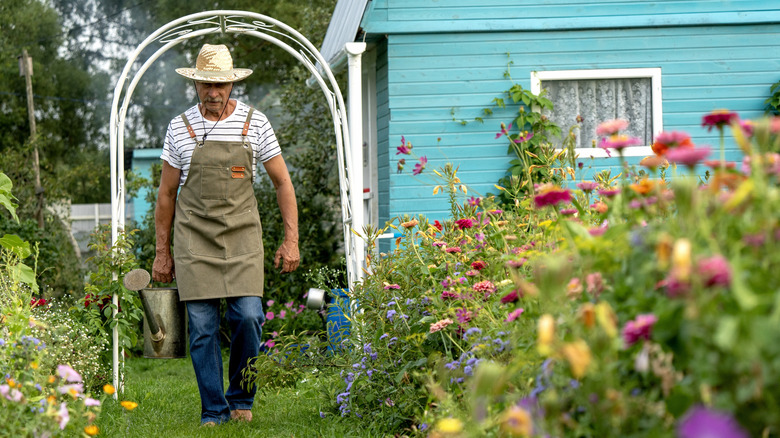
Butterflies in a garden are like diamonds paired with your favorite outfit — that is to say, they bring a little life and luster to an already good thing. Think about it: Few things are as relaxing as walking into your garden, taking in the fragrance of the flowers and the beautiful sights. However, that idyllic mental image only improves when you think about the charming personality and delicate colors of a butterfly. And, with these spring-blooming perennials, you can start your very own butterfly-friendly garden.
From golden Alexander to milkweed to poppy, there are nearly endless options for spring perennial plants. These are flowers that bloom throughout the spring (or possibly even longer) while returning year after year to start a pollinator garden that's nearly effortless. Some of the plants may serve as a host for butterfly larvae, while others provide a steady food source throughout the season to ensure that your garden remains vibrant and lively.
When choosing the right spring perennial plants to attract more butterflies to your garden, there are two things to take into account. First, make sure that your chosen plant is actually a perennial in your area by double checking USDA growing zones. Next, make sure it attracts butterflies that are native to your region for the best results.
Jacob's ladder
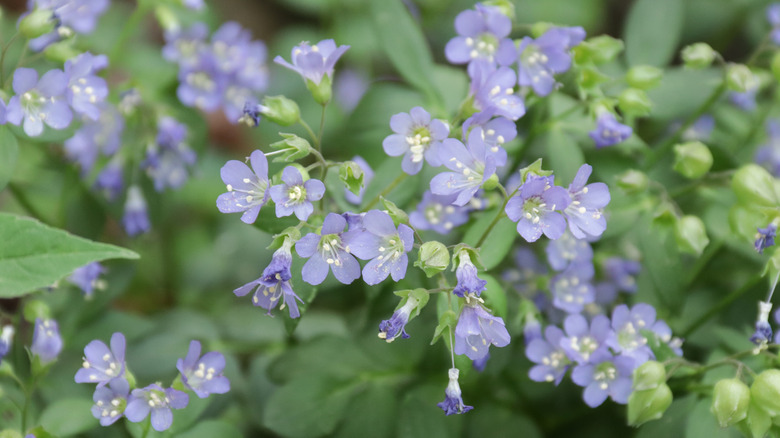
Also known as Greek valerian, Jacob's ladder (Polemonium reptans) is a North American native flower. It blooms throughout the spring and summer, showcasing small, bell-shaped white or blue flowers. It's also winter hardy throughout Zones 3 to 8, allowing it to grow as a spring perennial in several climates. Jacob's ladder is quite a hit among insect pollinators. This includes those eye-catching butterflies you want to attract to your garden, as well as bees. For the best results, offer this plant either full sun or partial shade in your yard.
Golden Alexander
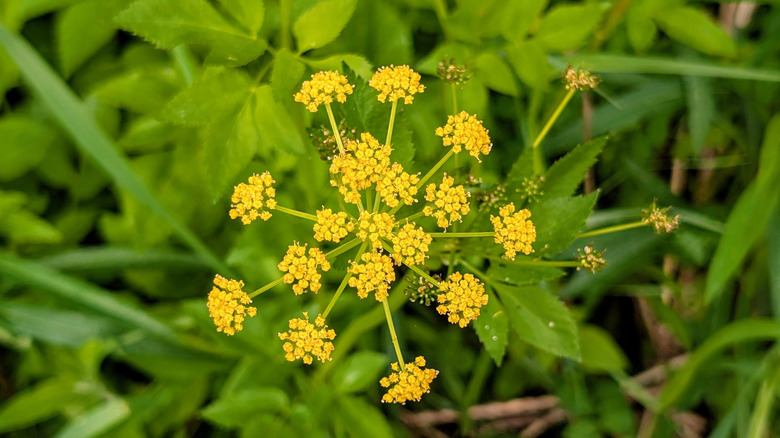
If you want another plant like Jacob's ladder but prefer a different color scheme, look no further than the sunshine yellow golden Alexander (Zizia aurea). Golden Alexander is native to much of eastern North America, where it grows in prairies and woodlands. This easy-going plant holds up well to a variety of moisture and light conditions, all while attracting both butterflies and bees. Like Jacob's ladder, it's also hardy in Zones 3 through 8 and blooms in April and May. As far as blooms go, it sports small clusters of yellow flowers that attract various beneficial insects.
Butterfly milkweed
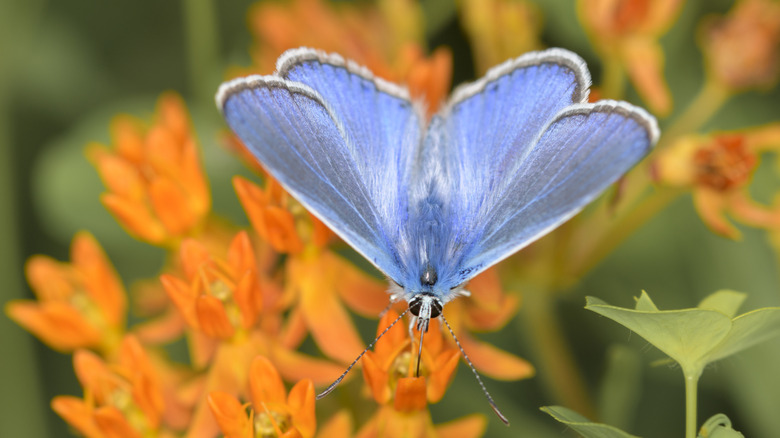
One of the many benefits of planting milkweed is that this group of plants is a fan-favorite among butterflies. In fact, the larvae of monarch butterflies rely solely on milkweed as a food source. As a result, adding species like butterfly milkweed (Asclepias tuberosa) can be a great way to curate a butterfly-magnet garden. Butterfly milkweed blooms in both the spring and summer, starting in May. It offers vibrant orange flowers that attract butterflies and hummingbirds. This plant is hardy in Zones 3 through 9 and requires either full sun or partial shade, as well as well-draining soil.
Bearberry
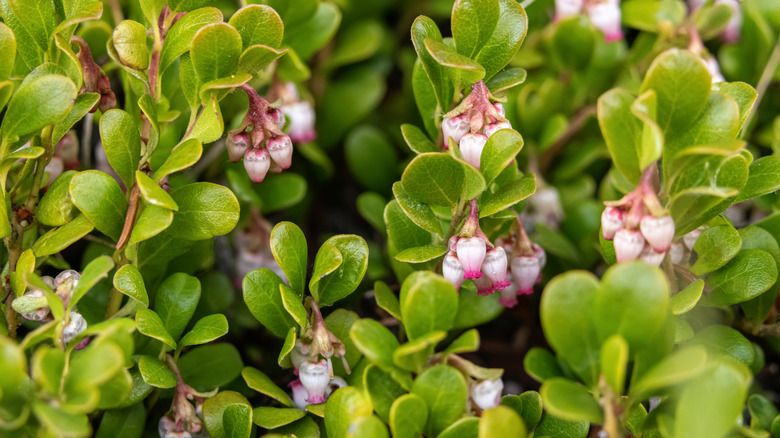
Traditional flowers aren't your only option when it comes to bringing beautiful butterflies to your yard and garden. Instead, a flowering perennial shrub like bearberry (Arctostaphylos uva-ursi) also attracts butterflies. This evergreen is hardy in Zones 3 through 7, and it blooms with pink or white flowers in the spring, which eventually give way to fruit other common backyard wildlife can enjoy. Bearberry is an overall hardy plant, tolerating drought, dry soil, and salt, which makes it perfect for coastal gardens. It also handles full or dappled sunlight, as well as partial shade.
Pigsqueak
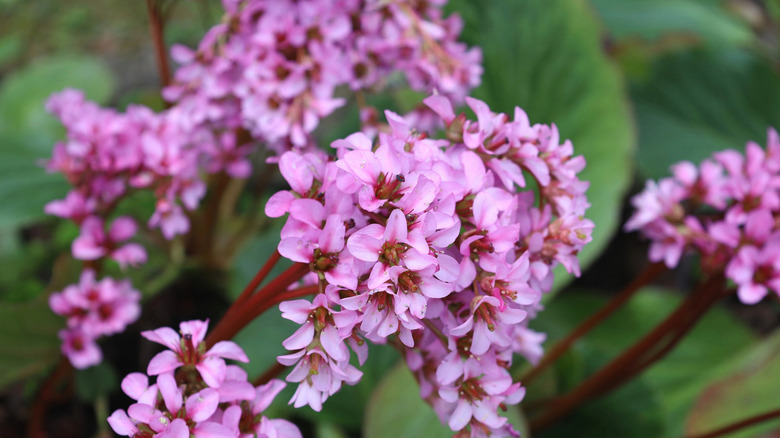
While its name may sound strange, pigsqueak (Bergenia crassifolia) is a true thriller plant in the garden, with large stakes showcasing vibrant clusters of pink flowers in the spring. It's also one of the few shade-loving plants that attract pollinators like butterflies, handling everything from deep shade to full sun with ease. As well as tolerating a variety of light conditions, it also holds up well to drought and poor soil for an overall durable plant that's hardy in Zones 3 through 8. Overall, pigsqueak is low-maintenance and visually appealing, making it a good choice for a butterfly garden.
Candytuft
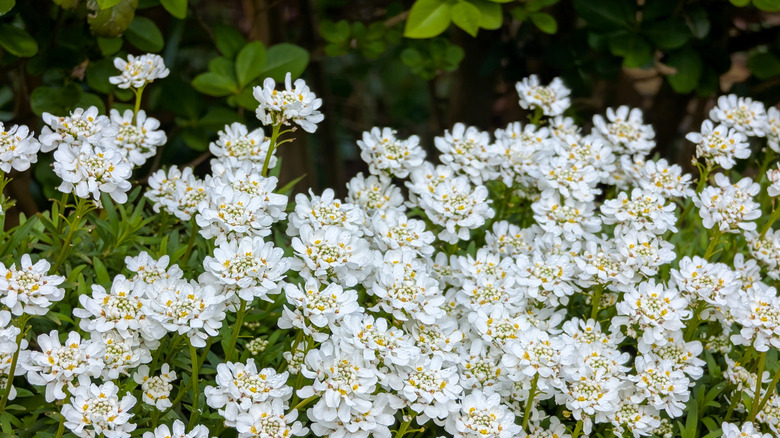
Another plant with an interesting name, candytuft (Iberis sempervirens) is often used as ground cover in the garden, filling in those areas left bare by your thriller plants. It blooms throughout the spring and summer with show-stopping tufts of flowers that begin white with yellow markings but can turn pink throughout the season. They're also a staple in wildlife gardens, attracting both songbirds and butterflies while holding up well against drought and grazers like deer or rabbits. Candytuft is hardy in Zones 3 through 8. You can also grow candytuft in a container to attract butterflies in small spaces.
Sandhill milkweed
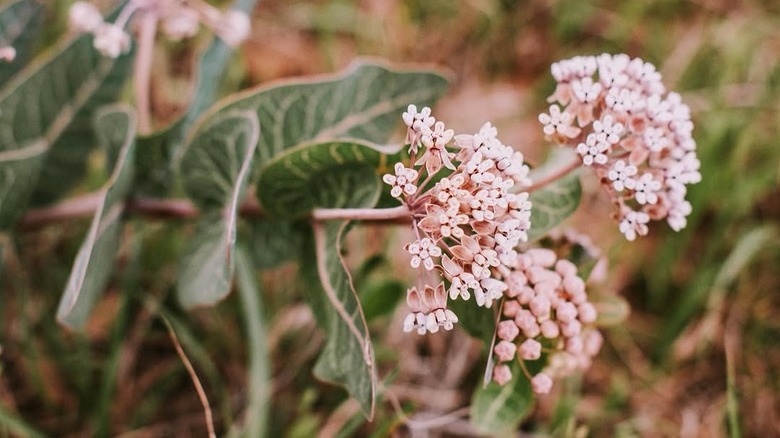
Butterfly milkweed isn't your only Asclepias option when it comes to attracting your favorite pollinating insects. Instead, you could also plant sandhill milkweed (Asclepias humistrata) to create a butterfly garden. This milkweed species is native to the southeastern United States, calling states from Louisiana up to North Carolina home. As a result, it's only winter hardy in Zones 8 and 9. It produces pink or purple to white star-shaped flowers during the spring and summer, which attract everything from butterflies to hummingbirds. Due to its native habitat, it also holds up well to drought. It requires full sun.
Small-flowered pawpaw
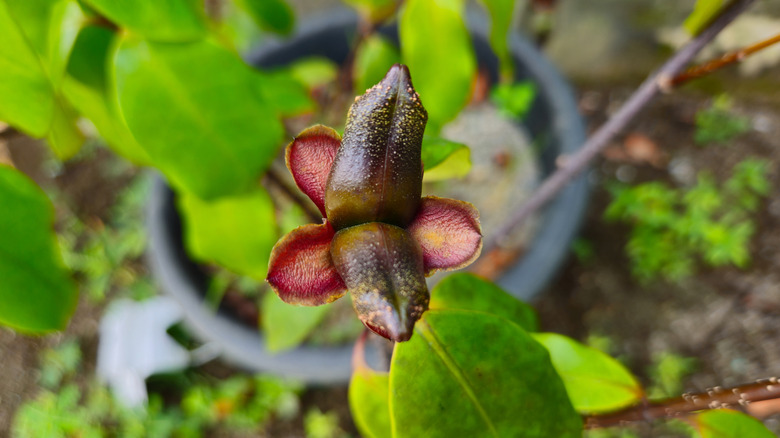
Who says butterflies are the only ones able to enjoy your garden? With the small-flowered pawpaw (Asimina parviflora), you can draw in a variety of butterfly species (including the zebra swallowtail) as well as plenty of other beneficial backyard animals. Plus, this shrub, which is hardy in Zones 7 through 10, also produces edible, sweet fruit you can eat raw or cooked. For the best chance at cultivating those spring-blooming purple or brown flowers, offer this plant full sun or partial shade and ensure that it has well-draining soil that's either acidic or neutral.
Wild geranium
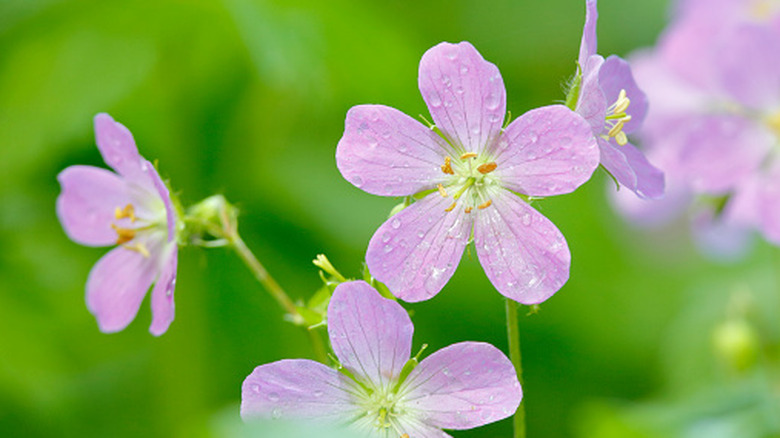
Wild geranium (Geranium maculatum) is a perennial that's hardy in Zone 3 all the way to 11. While it may not be as popular as a host species for butterflies as some species, like the small-flowered pawpaw, its flowers do offer nectar that attracts adult butterflies, bees, and other helpful pollinators. Its flowers come in a variety of colors, ranging from pink to blue to white, and it blooms through the spring and summer. These low-maintenance and easy-to-grow blooms are also edible. Just keep it mind it prefers moist soil.
Leopard's bane
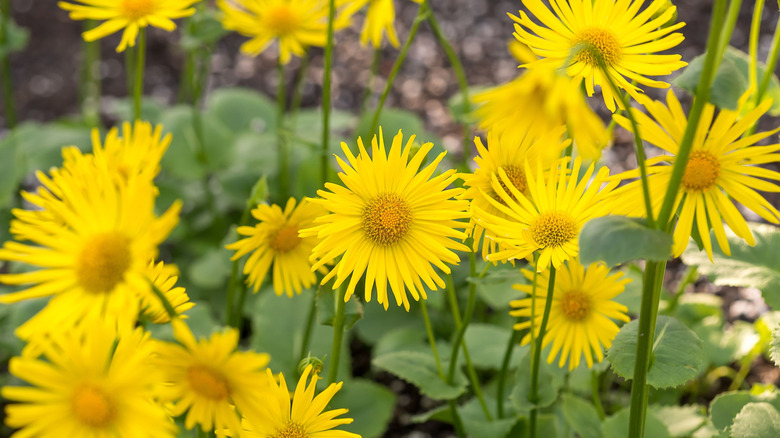
Rather than a single species, leopard's bane (Doronicum) is actually a genus of nearly 40 spring-blooming flowers, all of which produce bright yellow blooms that butterflies adore. Unlike other plants thus far that require, if not tolerate, full sun, leopard's bane flowers prefer partial shade. This makes it perfect for the east-facing spots in your garden, especially those that offer good drainage. These plants are hardy in Zones 4 through 7, and while they're picky about sunlight, they hold up well to a variety of soil types and pH levels.
Trailing lobelia
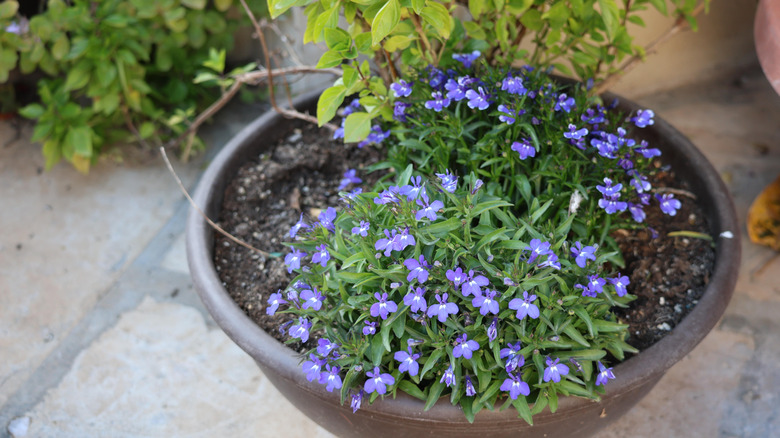
Also known as edging or garden lobelia, trailing lobelia (Lobelia erinus) is a perennial native to southern Africa. As a result, it's only hardy in Zones 10 or 11, making it perfect for warmer regions within the United States looking for a butterfly-friendly spring bloomer. However, because it grows well in containers and hanging baskets, you can also grow outside of this range as a perennial by overwintering indoors. It does best with full sun or partial shade and plenty of moisture, but it can tolerate a variety of soil types.
New Jersey tea
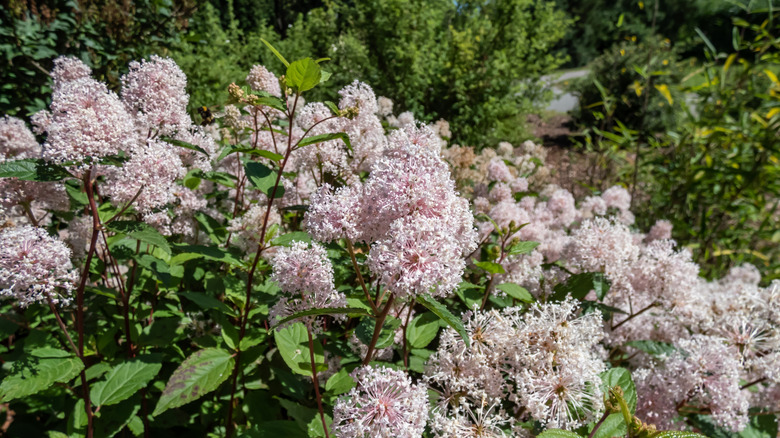
New Jersey tea (Ceanothus americanus) is both a larval host plant and food source for several species of butterflies. This includes both the spring and summer azure butterflies. Its spring and summer flowers, which are pink or white in color, also attract bees and other insects, while songbirds flock to its seeds. Once it becomes an established part of your yard, this native perennial is fairly low-maintenance, handling a variety of sunlight levels, soil types, and even common problems like drought. New Jersey tea is hardy in USDA Zones 4 through 8.
Blue snapdragon vine
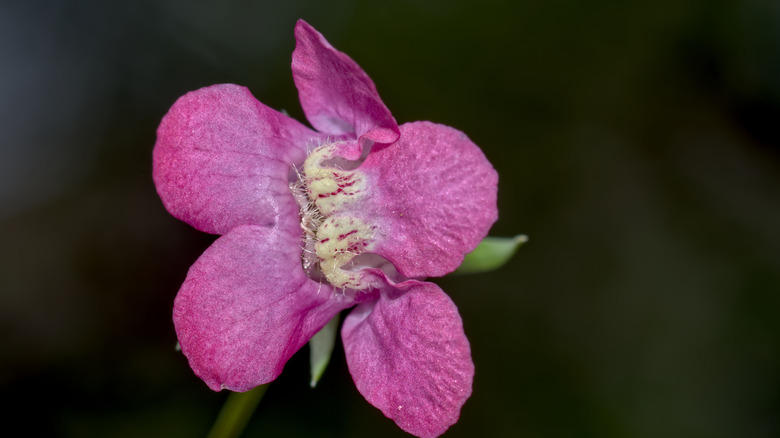
The blue snapdragon vine (Maurandella antirrhiniflora) is perfect for adding vibrant, colorful butterfly appeal to the vertical spaces in your garden. As a result, it also does well on patios or similar locations, allowing you to maximize even the smallest outdoor spaces — especially when grown in a container garden. Just keep in mind that it's only winter hardy in Zones 9 and 10, and it may need an extra hand during the winter months. Blue snapdragon vines also grow in full sun and partial shade, and it has a long blooming season lasting from spring to fall.
Wild pansy
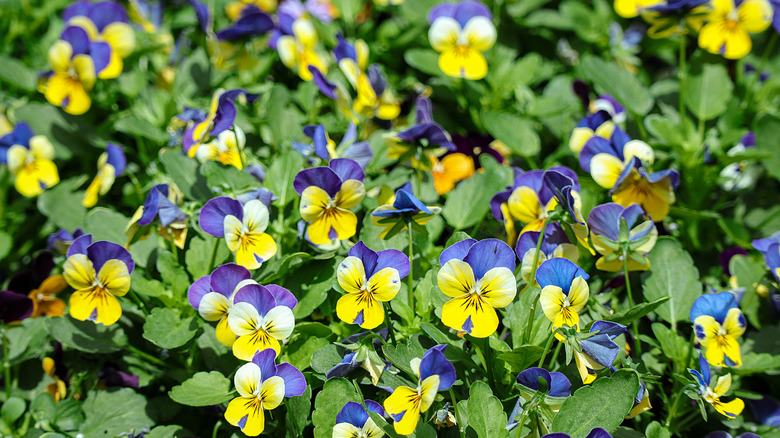
One of the main things to know before planting pansies is that species like the wild pansy (Viola tricolor) are considered short-lived perennials. This means that, while they will come back year after year like other perennials, they only tend to do so for a few years before dying. Fortunately, wild pansies also self-seed. Wild pansy is hardy in Zones 2 through 9, and they grow best with full sun. They bloom throughout the spring and summer with showy, colorful flowers that attract butterflies while also acting as a host for several larval species.
White mountain violet
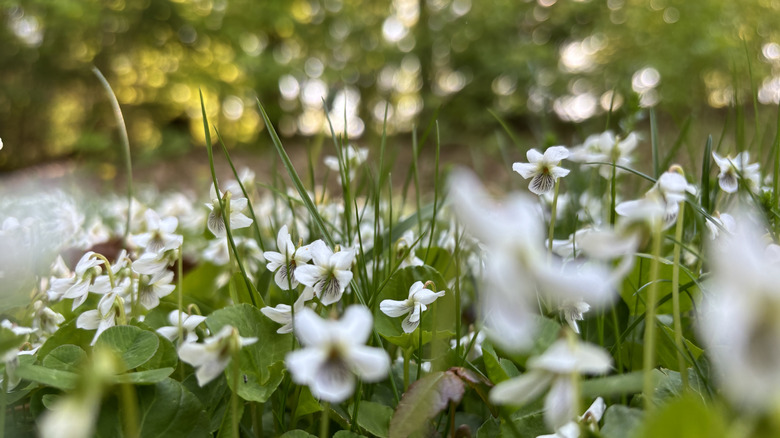
When your goal is to attract as many butterflies (and other beneficial wildlife like songbirds), choosing flowers like the white mountain violet (Viola macloskeyi) can be a helpful place to start. White mountain violets are as visually appealing as they are functional in a butterfly garden, with charming white flowers that light up your garden from spring into summer, and they're hardy in Zone 2 to 7. It's both a food source and a larval host for butterflies, meaning you may have the chance to get familiar with the common types of caterpillars in your yard.
Smooth water hyssop
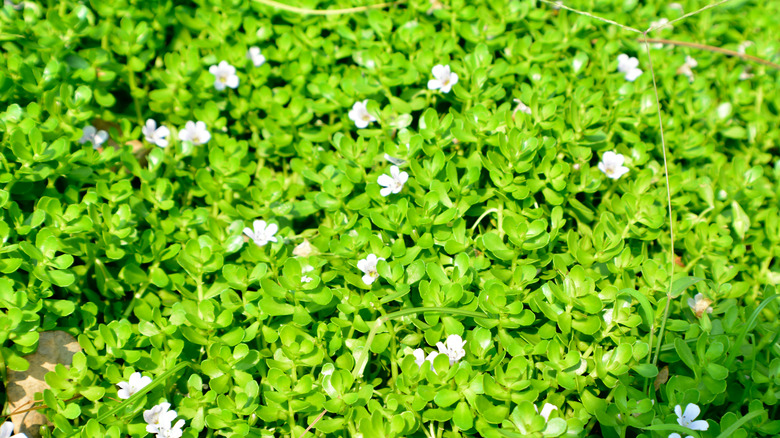
Sometimes, when you're curating the perfect butterfly garden, you want to foster pollinator appeal with unique blooms. As a result, you may wish to consider plants like the smooth water hyssop (Bacopa monnieri). Although it is a native perennial, smooth water hyssop may not be the first plant that comes to mind when thinking about butterflies. However, whether grown in the wet soil around your yard (especially near water features) or in a container, this interesting flower is an essential food source for many animals, including the white peacock butterfly. It's hardy in Zones 8 through 11.
Black-eyed Susan
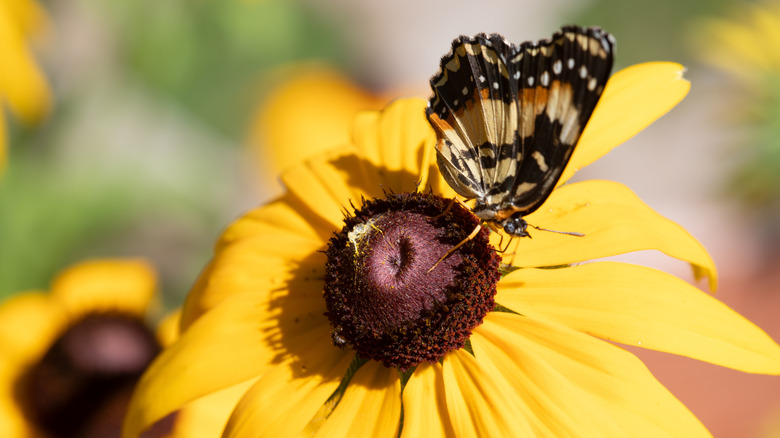
Black-eyed Susans (Rudbeckia hirta) are a classic when it comes to spring-blooming flowers to bring butterflies to your garden. Although they are a short-lived perennial like wild pansy, black-eyed Susans are a perennial nonetheless, and they're hardy in Zones 3 through 8. They begin blooming in the spring, with large yellow to red flowers that hang around until summer. As an eastern United States native, they've adapted to the environment alongside the wildlife, and these flowers attract butterflies and songbirds while remaining hardy against deer and drought. Just make sure they have either full sun or partial shade.
Green milkweed
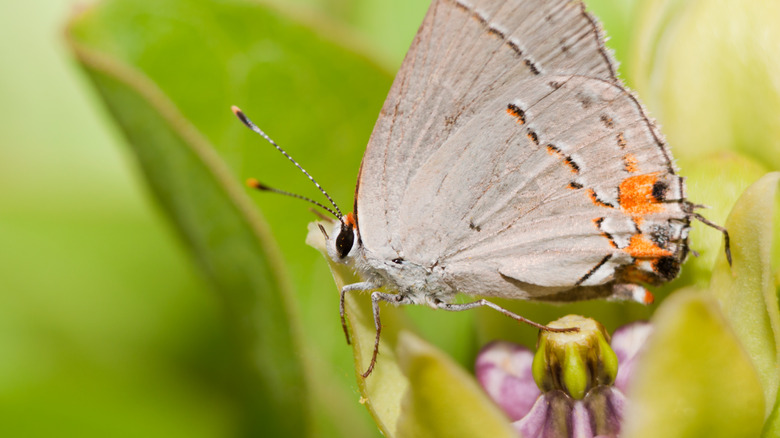
The third milkweed species on this list, green milkweed (Asclepias viridis) is another hit among monarch butterflies, as well as other common species. If you're looking for a subtle approach to attracting these vibrant pollinators, this may be the route you wish to take, as it gets its name from the fragrant green flowers it shows off in the spring and summer. Green milkweed is easy to grow, with an overall low requirement for maintenance, although it does need full sun. It's hardy in Zones 4 through 9 and is native to the central and eastern United States.
Moss verbena
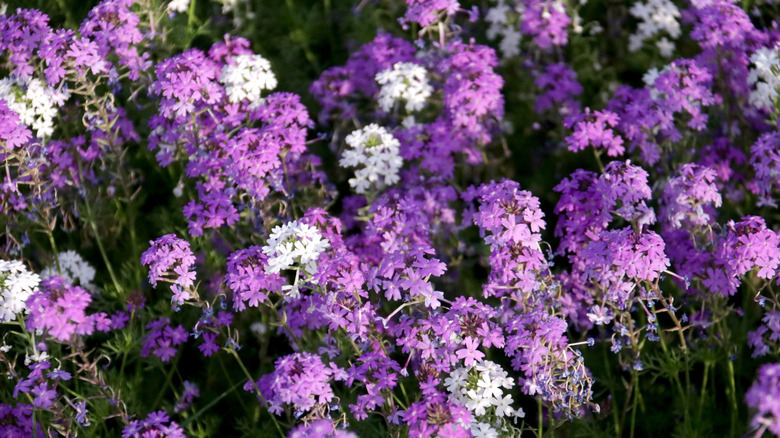
Although the name may lead you to believe this plant is another green option alongside green milkweed, moss verbena (Verbena aristigera) is actually a gorgeous, bright purple flower that thrives in the rougher areas of your yard. It's easy to grow and tolerates both poor soil and droughts. Unfortunately, it is only hardy in Zones 8 through 10, which may make growing it in northern parts of the country and reaping its butterfly appeal more difficult. Luckily, it also does well in containers, so you can enjoy its flowers from spring to fall and then overwinter indoors.
Woolly yarrow
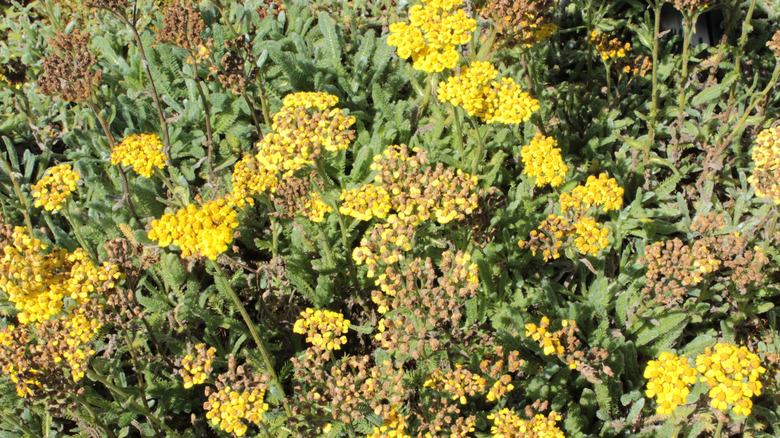
Flowers are a great way to attract butterflies while adding visual texture to your yard, but that doesn't mean you can't focus on incorporating dramatic leaves as well. Luckily, with woolly yarrow (Achillea tomentosa), you can do both. Hardy in Zones 3 through 7, this perennial sports hairy, green-silver leaves that give off a spiced scent when damaged. While these interesting leaves are semi-evergreen, its show-stopping yellow flowers appear throughout the spring and summer, attracting a variety of both butterflies and bees. It does grow slowly, however, and requires full sun for the best results.
Sidebeak pencilflower
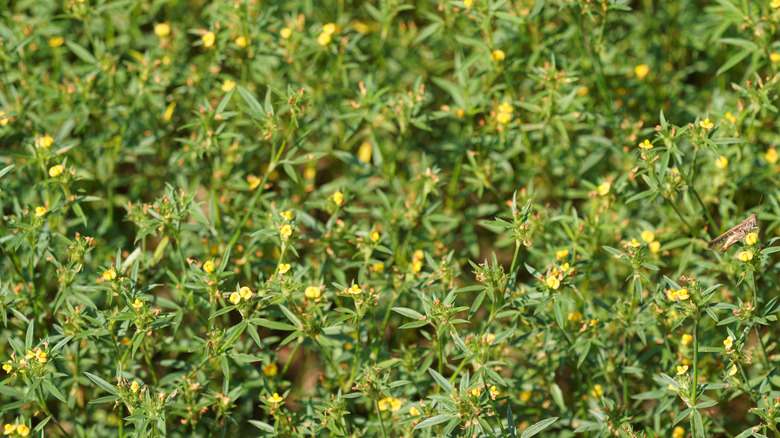
Known affectionately as the "cutest flower in all the land," the sidebeak pencilflower (Stylosanthes biflora) is all about its appearance. Its genus name even means "style flower" in Greek. If you want to curate a stylish, pollinator-friendly garden, you may wish to include this adorable pick. Although eye-catching, the spring blooms on this perennial wildlife are dainty, with bright yellow petals that give it a distinctive pea-flower-like appearance. While it serves as a nectar source, it's also a host plant for barred yellow butterflies and is hardy in Zones 4 through 9.