

Choose The Perfect Spot In Your Yard For A Raised Garden Bed With These 7 Tips
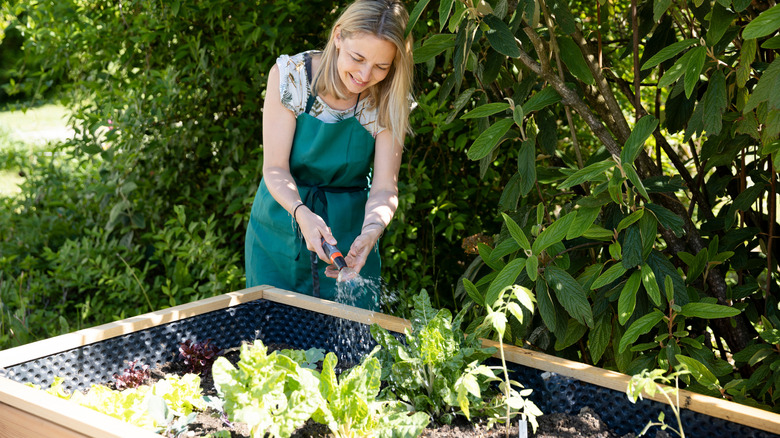
Starting a new garden is exciting for many reasons, not least of which is the simple pleasure of growing fresh flowers or veggies right in your own backyard. As far as hobbies go, this one's hard to beat. If you're installing a raised garden bed in your backyard, there is a lot to consider. Selecting the perfect spot on your property is a non-negotiable starting point for success. Different plant species have specific needs. Some thrive in full sun, for example, while others require afternoon shade. Plus, you need room to maintain the garden, making it imperative to select an area with the ideal attributes for your plants to flourish. That could be somewhere convenient, flat, well-oriented, near a water source, and more.
Any ultimate guide to starting a raised garden bed will include advice on location. The success of your garden bed relies on a combination of factors that are all related to where it's sited — from receiving adequate sunlight to its orientation in relation to the sun's path throughout the course of the day. You'll also need to ensure that the raised garden bed is close enough to your home to make frequent tending bearable and not a chore you dread. Even the most passionate gardeners don't want to walk long distances on sweltering hot days to reach their vegetable patch. You'll need to consider the topography of your property. It's decidedly more challenging to install a raised bed on sloped or sunken ground — the latter becomes waterlogged when it rains. Finally, since plants need water, choosing a location that is close to a source of water will ensure easy hydration.
Choose a sunny spot for your raised garden bed
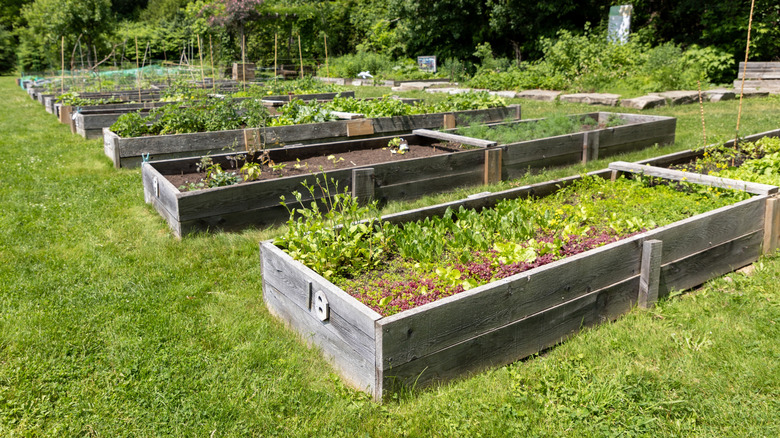
Many plants — including most of the common home garden vegetables — need lots of sunlight to thrive. Because of this, you'll want to scope out a spot in your yard that receives full sun for at least six hours a day. You may think you already know which spot in your yard is brightest. Still, it's worth observing where the sun shines and how long it lasts in particular areas. Use the valuable data you collect to build a sun map of your property, ensuring your raised garden beds receive ample sunlight hours.
Site your raised garden bed in a convenient location
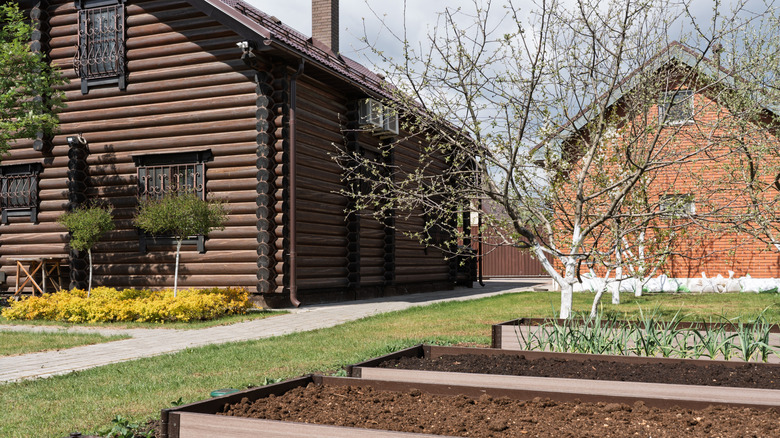
When choosing a spot for your raised garden bed, select a location you can access quickly and easily. Maintaining a garden means spending a fair bit of time with it daily or weekly. The last thing you want is a long, arduous walk to your raised beds to check on the progress of transplants or pull a few weeds. Plus, you don't want to have to haul heavy gardening tools or bags of the best type of soil to fill raised garden beds with when growing veggies a long way.
Choose a flat area for your raised garden bed
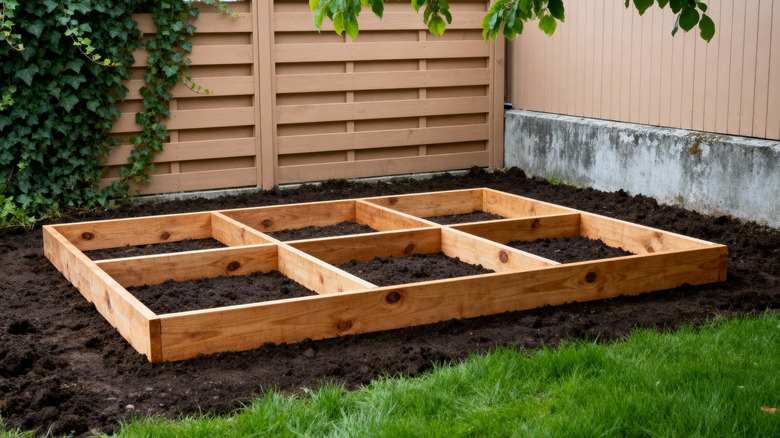
There are already many challenges to maintaining a raised garden bed — you don't want to also engineer a frame that works on a hill. Choose a spot in your yard where the ground is level for the best chance at success. A level surface makes installing your garden bed straightforward, and it will ensure the soil doesn't shift to one side or erode away. Conversely, a sunken surface can lead to irrigation issues, such as pooling water on one side of the garden bed and dry soil on the other.
Consider the orientation of your garden bed
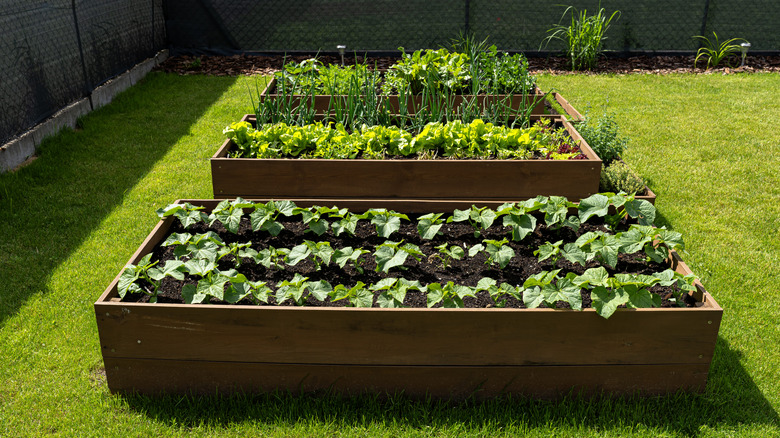
Beyond choosing a sunny spot in your yard, it's also ideal to select a site with the correct orientation. By building your raised garden bed with an east-west orientation, which follows the sun's path across the sky, you'll ensure that all of your plants receive sunlight throughout the day. In other words, you eliminate shading from other plants or trellises (mounted at the back of the bed) as much as possible. If you have rectangular beds, that means the short sides would face east and west.
Build your raised garden bed near a water source
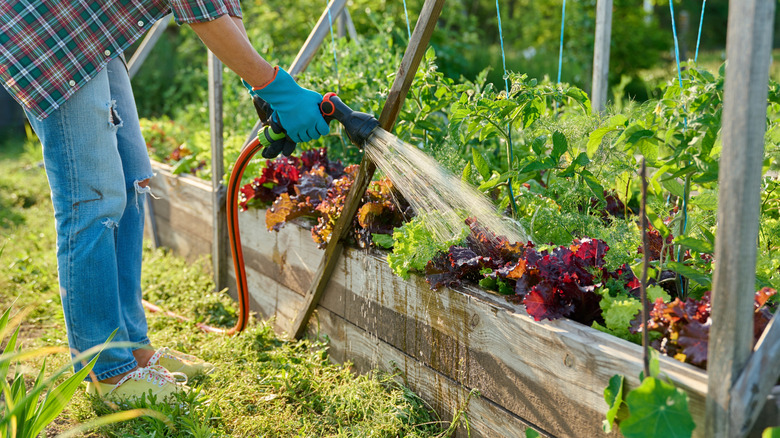
All plants need water to thrive — and, unless you're cultivating a cactus and succulent garden, most need it consistently. If you're planning to build a raised garden bed in the furthest corner of your yard, past the reach of garden hoses or irrigation systems, think again. Hauling a heavy watering can to the raised bed even once a day, let alone potentially multiple times a day in the middle of summer, will quickly become tiresome. Position your raised garden bed as close as possible to a reliable source of water.
Select an area with good drainage for your raised garden bed
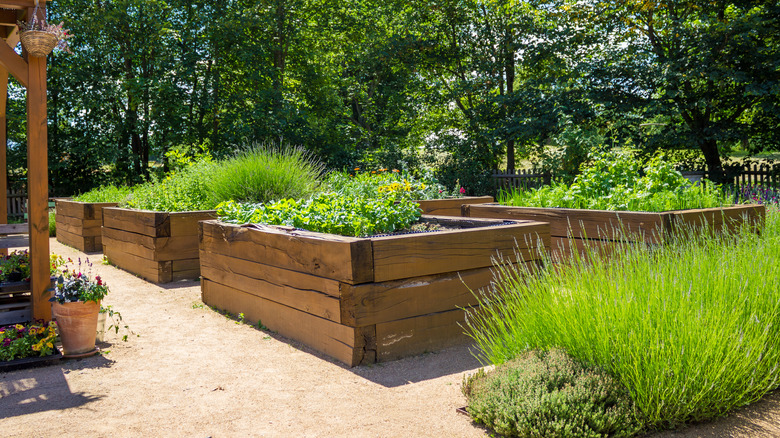
Maintaining consistent soil moisture is vital for plant health, so the spot you're considering for your new raised garden bed needs good drainage. Avoid placing your garden bed in a low-lying area of the yard where water pools after rain. Instead, opt for a drier location. Adding gravel around your raised garden beds can also help promote healthy drainage. If you want to give your soil a boost, one simple addition your raised garden needs for better drainage and healthy soil is rice hulls.
Situate your raised garden bed south of structures
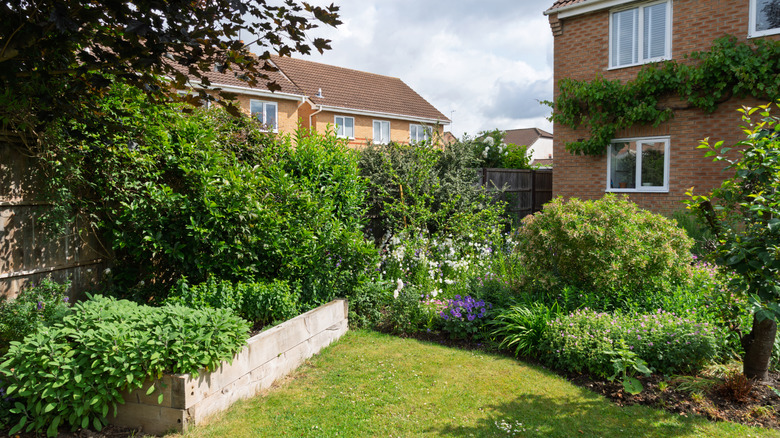
Tall structures can obstruct sunlight, meaning that your raised garden bed receives less of it than the plants inside it need. Situate your new raised bed — or rows of beds — to the south of anything that might block the sun's life-giving rays from reaching your garden. Look around your backyard and note all the structures, from fences to trees to garden sheds — even your home. Then build your raised garden bed in a spot that's to the south of any or all of these bulky features.