

Keeping Vintage Home Decor Alive Is Trending In 2026 — Here's How To Do It
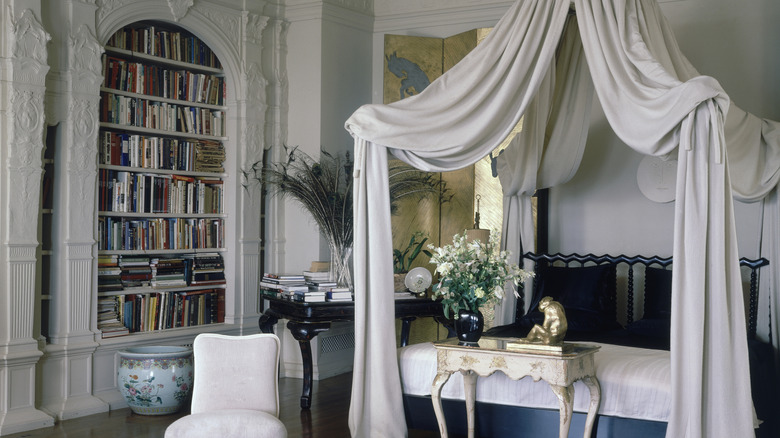
Be it historical significance or a timeless aesthetic, there's something about vintage decor that endures even as modern trends come and go. In a culture where trends are cycled through social media so swiftly, it says a lot that certain antique thrift store furniture and vintage heirlooms continue to appreciate in value and are integrated into homes today. The importance of keeping vintage home decor alive is something many experts agree on; in an exclusive interview with House Digest, Mark Johnston, founder of Historic Design Consulting, reveals exactly why decorating with vintage pieces should be something you should employ in your own home.
"My clients are increasingly interested in maintaining the historical integrity of interiors, not just exteriors, and there are many reasons for this," says Johnson. "I believe the greatest factor is people are more aware than ever of the building and decorative styles of years past, and they have less interest in making wholesale changes."
Of course, it can be difficult to fit the aesthetics of bygone eras into modern life. Johnston recommends striking a thoughtful balance. "I certainly approve of [a less-is-more] approach, and encourage homeowners to make thoughtful changes that will allow them to live comfortably and express themselves while keeping the character of their homes," he says. While this may seem easier said than done, all it takes is careful curation and a bit of patience to create a space that honors the past while fitting into the present.
How to source vintage home decor that suits your home and lifestyle
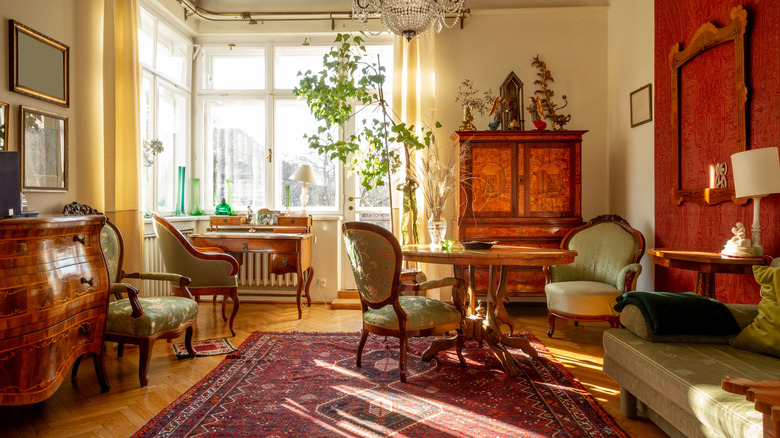
While it may be enticing to aimlessly wander your local architectural salvage yard for the elusive piece your home is missing, there are better places to start your search for vintage decor. "Begin where period homeowners did: period design catalogs," says Johnson. "I love to look at period catalogs for inspiration, and people today can look at them, too, to identify features that appeal to them and convey the historic character of their home." For example, taking inspiration from vintage Parisian interiors may spark the desire for large-scale wallpaper or architectural seating.
Naturally, preserving the old doesn't mean doffing modernity. This is why Johnston encourages his clients to make intentional changes that improve their quality of life. Luckily, integrating some historic charm is often a great way to enhance the functionality of your space to suit a modern lifestyle. "Period furniture can be modified to fit new uses, such as using a 19th-century dresser or bureau for a computer desk," Johnson explains. "A favorite of mine is mixing historic and contemporary lighting fixtures to create some interest."
Integrating vintage design on a modern budget
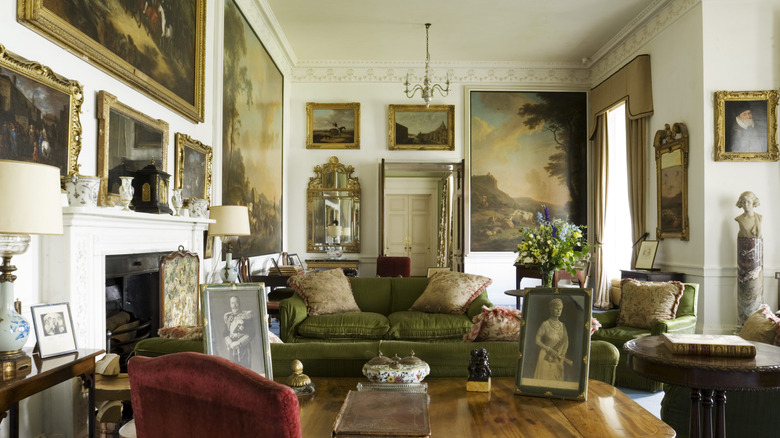
Although high-quality vintage decor has a reputation for being expensive and inaccessible, this isn't always the case. Johnston provided several options for homeowners who want a period feel without the high price tag. "There are many ways for a homeowner to achieve this look by themselves on a budget. Period furniture can be bought very cheaply and easily restored or repainted," says Johnson. Even if a piece isn't in the best condition, a little work can go a long way. This is also a great approach if you're attempting to achieve a slightly more modern look — a coat of paint in a trending color can bring a piece into this century while still honoring its history.
There's also the option to look beyond furniture. While historical armoires, tables, and desks are bound to make a huge impact in your space, smaller details can prove to be equally profound. "Patterned rugs and draperies are an easy way to add to a bedroom's comfort and appearance," Johnston shared as an example. Additionally, consider sourcing vintage frames, lighting, or small decorative pieces. These items are often less expensive than furniture, allowing you to build your collection piece-by-piece rather than blowing your budget on a big-ticket item.