

Thriving Tomato Plants Come Easy With This All-Natural Fertilizer You Might Already Have
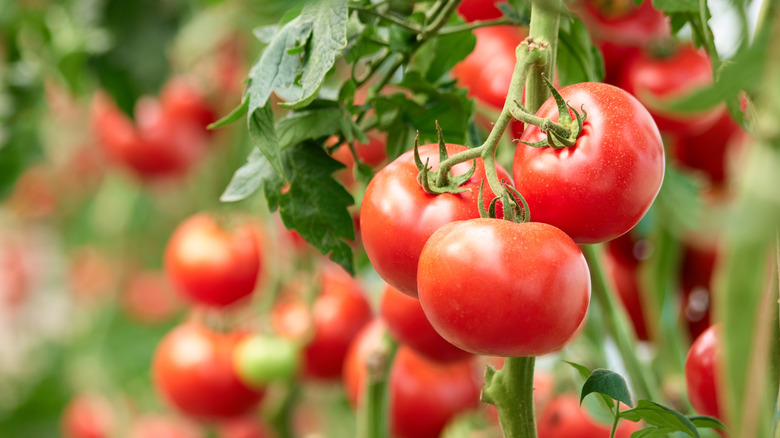
I was fortunate to spend some of my childhood in a garden with towering sunflowers, sweet strawberries, and ripe tomatoes that were so good, we would eat them right off the vine. I was usually barefoot, and the softness of the loose soil in my grandpa's garden made the space feel magical. It was, really, and gardens are still awe-inspiring to me. As I grew up and started growing my own garden, there were some things I noticed he did to prepare his soil for the growing season. One was burning fallen branches and clippings from shrubs in the spot he planned to grow his tomatoes. I asked him about it one time, and his answer was simple: It's what my father always did.
Since then, I have become a Master Gardener. Looking back at those practices he did "just because," I have learned there's real science using wood ash. Burning wood where he was going to plant tomatoes provided the soil with the vital macronutrient potassium. It's also a considerable source of the macronutrient calcium, which helps prevent blossom-end rot. Trace amounts of many other nutrients your plants need, like magnesium, boron, and iron, are also left in the ashes of burned wood. Perhaps my forefathers didn't know why wood ash made their tomatoes thrive, but it did then, and it still can today when used properly.
What's so special about wood ash as a fertilizer?
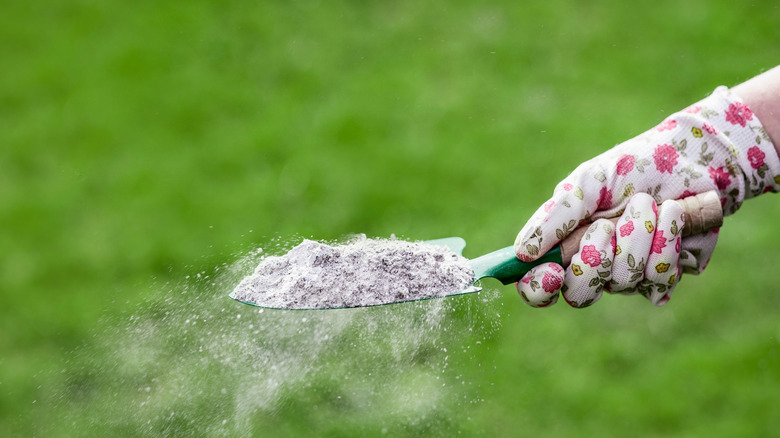
Of course, there's no single fertilizer that can fix every problem, and wood ash is no exception. It can, however, help prevent some problems and improve your harvest. To understand how that works, we need to break down the main nutrients ash contains and their primary functions within plants. Because wood ash is not a synthetic, perfectly balanced fertilizer, the amounts of the nutrients it contains will vary, but generally, this natural soil amendment contains around 20% calcium. A deficiency in this element is the primary cause of blossom-end rot. For calcium to prevent this problem, it must be balanced with magnesium, which wood ash also contains. So, you can see that within this one natural fertilizer, there are two vital nutrients that can prevent a frustrating problem.
The other primary nutrient in wood ash is potassium, at a concentration of around 5%. This nutrient actually got its name from its existence in a literal pot of ashes — potassium is also known as potash (pot ash). In plant tissue, this nutrient provides a lot of support, including the healthy distribution of water and nutrients throughout the plant, helping it grow and thrive from the roots to the fruits to the leaf tips. Strong, thriving plants are more pest- and disease-resistant. They also process sugars more efficiently while growing fruits, providing you with the best-tasting tomato possible. And isn't the promise of a juicy, flavorful tomato the point of gardening?
Is wood ash right for your tomatoes? Here's how to be sure
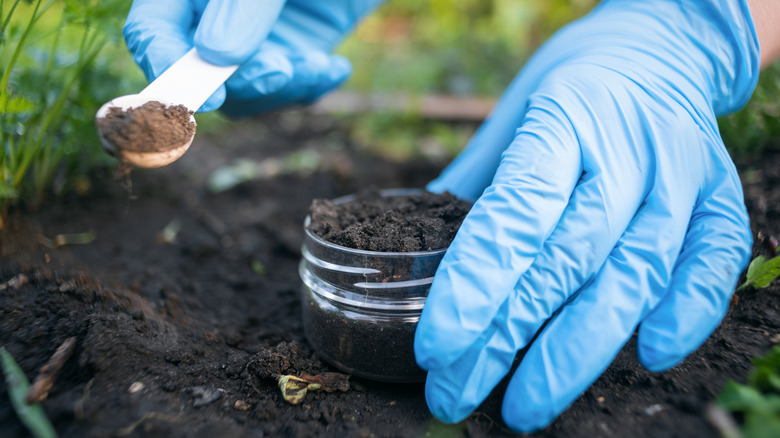
When it comes to any fertilizer, there's always the thought that if some is good, more must be better, right? That is always wrong, and it can be detrimental when it comes to using wood ash in your garden. To determine the best fertilizer for healthy tomatoes, get a soil test. There are DIY kits you can do at home, but for the most detailed results, check with your local agricultural extension service. Many offer inexpensive or free soil tests, and they can help you understand the results. When you're testing your soil, check the acidity level. Ash is very alkaline, with a pH of around 8. Tomatoes prefer slightly acidic conditions, at about 6.5, so use wood ash only if your soil is that pH level or lower. If your soil is more alkaline, wood ash will cause more harm than good in your tomato beds.
Once you have confirmed that your soil can benefit from this fertilizer, make sure you know the source of your wood ash. If you're burning it yourself, never use ash from painted, sealed, or otherwise treated wood. Add ash only from raw, unfinished wood, like burned oak branches, to your garden. If you have a wood stove or fireplace, the same wood that's safe to burn inside should produce ash that's safe for your soil.
Using wood ash in your tomato garden for thriving plants
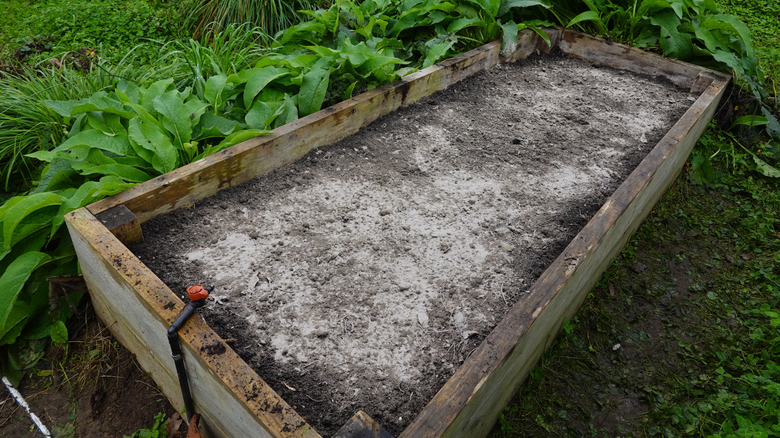
Again, because wood ash is not a store-bought fertilizer, there's no single amount that's right for you to use. If your soil meets all the above requirements, the general rule of thumb is to spread about 20 pounds of wood ash per 1,000 square feet of garden space once a year. Keep in mind, it's better to add too little than too much, so start slow — you can always add more later. This is particularly true if your soil conditions are skirting that line of being sufficiently acidic. A light application of wood ash won't make much difference in the pH, but too much will keep your plants from having access to the nutrients in the soil they need to be healthy.
Spread wood ash on the surface of your prepared soil — a space that is free of grass and weeds. You can use a spreader or wear protective rubber gloves to spread it by hand. Because ash particles are so fine, a slight breeze can cause them to get into your nose and eyes, so regardless of how you spread this natural fertilizer, wear protective coverings like goggles and a mask when using it in your garden. Till or work the ash into the soil with a shovel. You can plant your tomatoes immediately. The basic nature of wood ash combined with how little is actually in the soil will prevent any issues with fertilizer burn on young roots.