

13 Herbs That Flourish When Grown In Raised Garden Beds
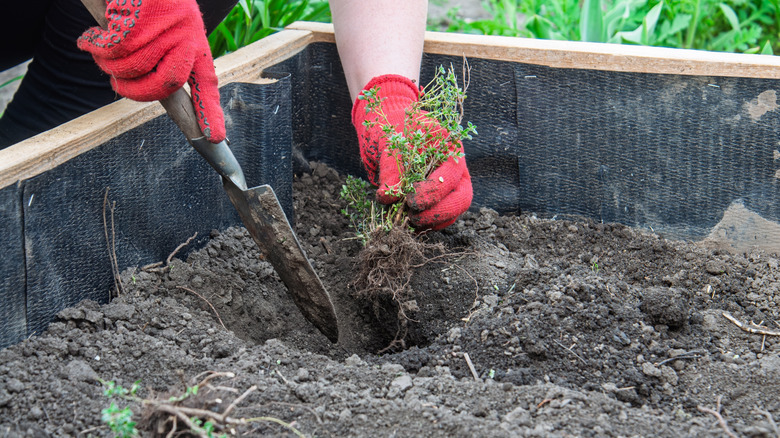
There are a variety of benefits that come along with a raised garden bed, whether you choose a store-bought option or create your own DIY raised bed. As far as gardening goes, a raised bed gives you more control over growing conditions, from soil to moisture content. Weeds are also often easier to manage. However, raised garden beds also offer the benefit of greater accessibility, with less need for kneeling or bending. While not every plant thrives in a container garden, there are many that do, including several herbs like mint and thyme that flourish when grown in raised garden beds.
When you're looking for the right herbs to grow in a raised garden bed, there are a few factors to keep in mind. First, keep an eye out for plants that prefer well-draining conditions. Then, look for those herbs, like lavender or rosemary, that have shallow root systems – they thrive in the most compact spaces of a raised garden bed. You'll also want to choose durable, hardy plants that can handle the growing environment of raised beds, especially because container gardens often offer warmer conditions versus direct sowing. Herbs that falter rapidly when exposed to drier soil may do better elsewhere when planning your garden of essential kitchen herbs.
Once you pick the right herbs for your raised garden bed, the next step is learning how to care for them. This means brushing up on specifications like soil preferences and sunlight needs.
Mint
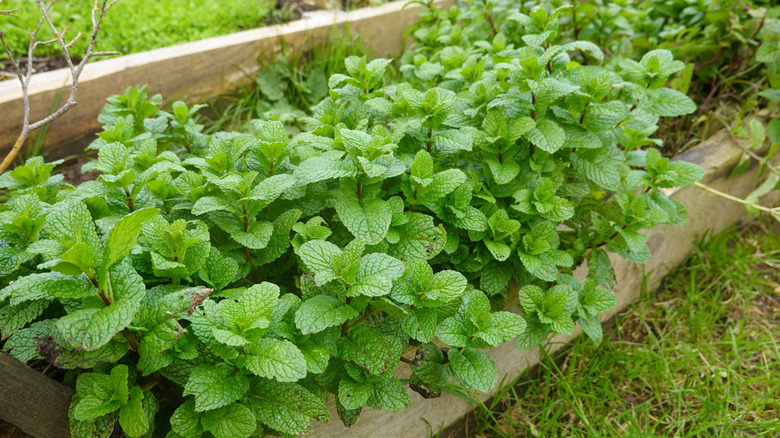
Mint's (Mentha spicata) rapid spread can make it difficult to incorporate into most direct landscaping. As a result, you may instead wish to consider growing it in a container. Fortunately, it has shallow roots, which means that it often thrives when grown in a raised garden bed, lending to healthy growth while giving you the flexibility and freedom that comes with a raised bed. It needs well-draining soil and partial to full sun, but it's overall durable, as it can tolerate occasional dry or moist conditions. You can grow mint as perennial in USDA growing zones 4 through 9.
Lavender
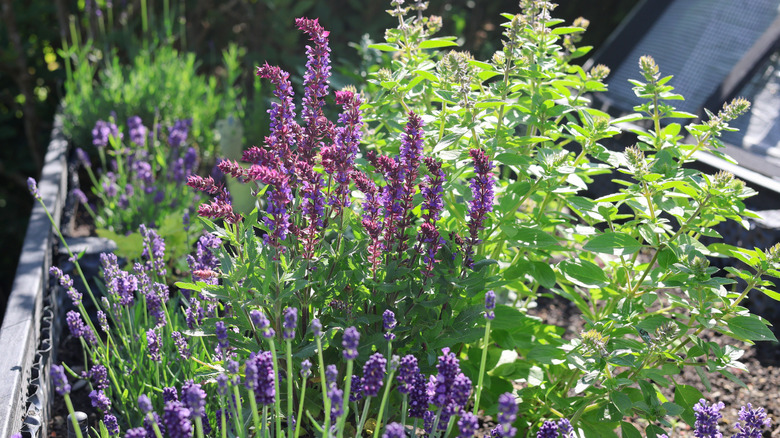
Another popular choice from the mint family, lavender (Lavandula angustifolia), is another perennial herb to consider for your raised garden beds. Lavender requires well-draining soil. In fact, when left with any substantial amounts of excess moisture in its soil, it's likely to fail. As a result, it flourishes in a raised garden bed where it has ample drainage, especially when given a thoughtfully selected soil blend. Like mint, it also sports shallow roots. For the best results, aim to plant lavender in an area with full to partial sun. It's winter hardy in USDA growing zones 5 through 9.
Cilantro
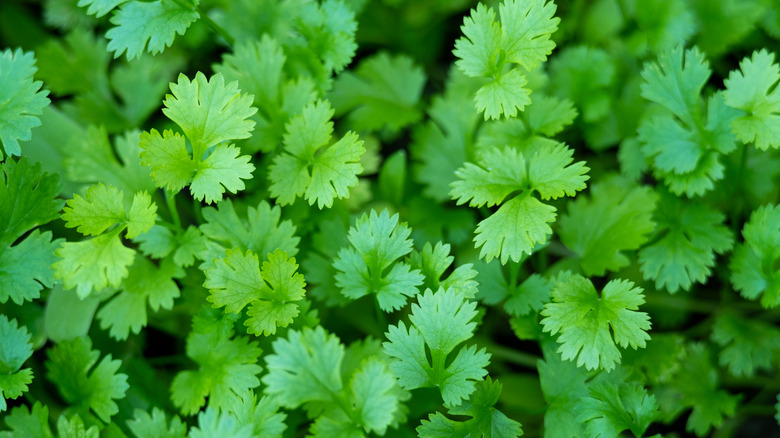
Cilantro (Coriandrum sativum) often makes a common appearance in the kitchen, whether as leafy cilantro or in the form of coriander, which refers specifically to the seeds. Although it does prefer moist soil, it also requires good drainage, which is why it's a top contender when planning a raised garden bed for herbs. It also attracts a variety of helpful insects, such as pollinators or predatory insects, which makes it good for companion planting with other herbs. Cilantro is an annual and requires full to partial sun for the best results.
Rosemary
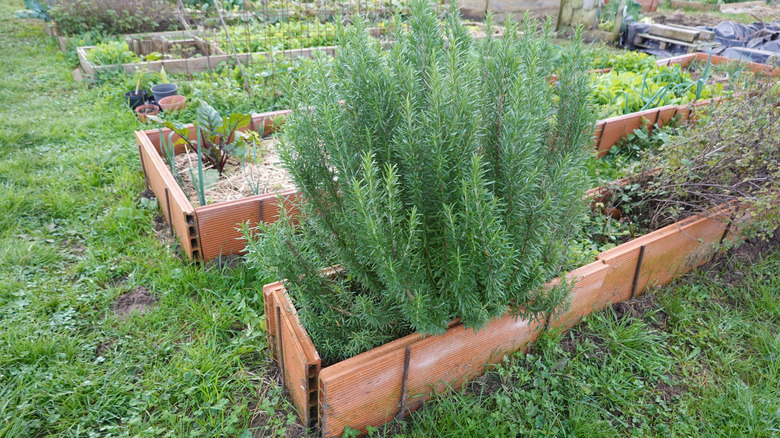
Like mint and lavender, rosemary (Salvia rosmarinus) has a shallow root system that thrives in containers like raised garden beds. It's hardy in zones 8 through 10, and, although durable, it lacks tolerance for wet environments or sites with poor drainage, such as clay-heavy soil. It does, however, tolerate drought and most other soil types, which makes it perfect for the conditions presented in a raised bed. It requires full sun and attracts a variety of helpful wildlife-like pollinators, like cilantro. If you're worried about deer eating your raised bed, it also resists grazing.
Oregano
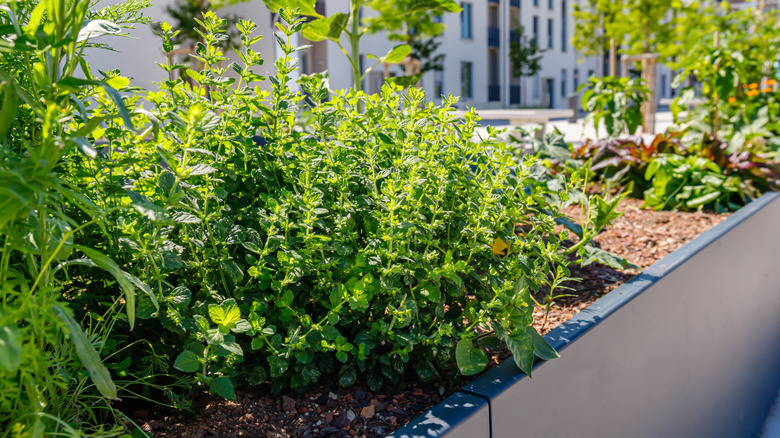
Overall, oregano (Origanum) is a fairly easy-going genus of herbs, doing well throughout your yard, whether sown directly or added to a container. However, they don't just survive in raised beds: they thrive, thanks to their preference for high drainage. While oregano doesn't require much maintenance, planting it in a raised bed can also help you access it, whether for care or harvesting. It's hardy in USDA zones 3 through 10, allowing it to be grown year-round outdoors in most climates, and requires full sun. It also tolerates occasionally dry conditions, which is perfect for a raised bed.
Summer savory
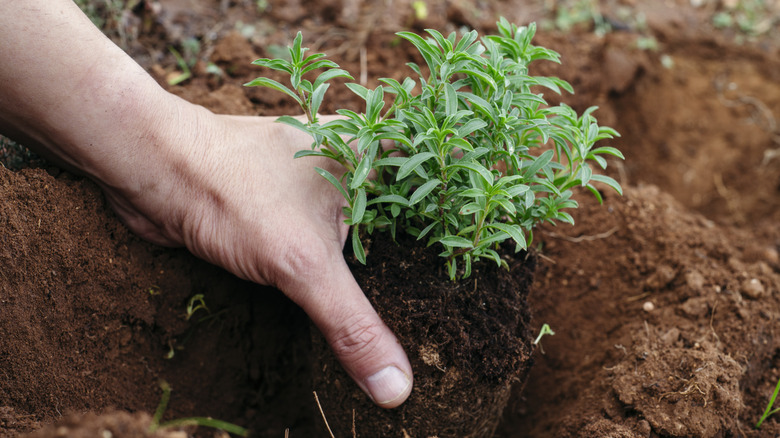
While other popular savory species may be perennials, summer savory (Satureja hortensis) is an annual. Because of this, it's helpful for those gardeners who don't want to maintain a raised bed year-round, or for those looking to add a temporary filler to their kitchen herb garden. It's useful for companion planting alongside other top-picks, like rosemary, and even attracts bees with its dainty flowers. Summer savory is a sun-loving warm-weather plant, and it tolerates dry conditions while thriving in containers. While its leaves are more commonly used in the kitchen, its flowers are also edible.
Thyme
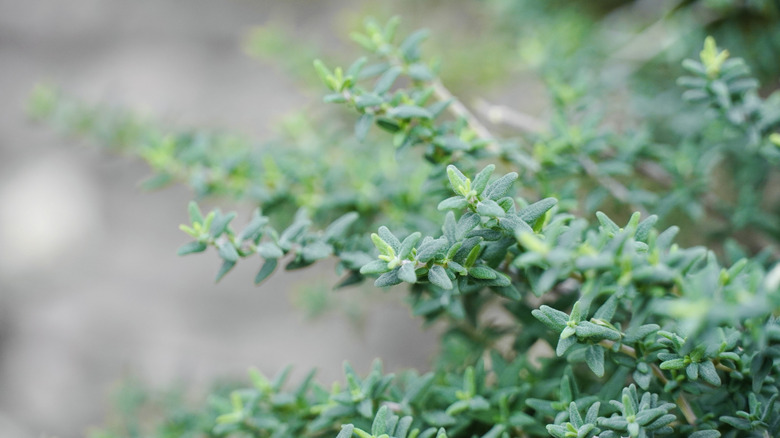
Thyme (Thymus vulgaris) is a perennial that's native to southern Europe, especially around the Mediterranean. As a result, it does best when offered dry, sunny locations with plenty of drainage — such as your latest raised garden bed. It also requires pruning as it gets leggy, and planting it in a raised bed makes this task far more accessible for those who may struggle with repeated bending or kneeling. Thyme can be grown as a perennial in zones 5 through 9, and it tolerates poor soil, pests, and even urban challenges like pollution with ease.
Parsley
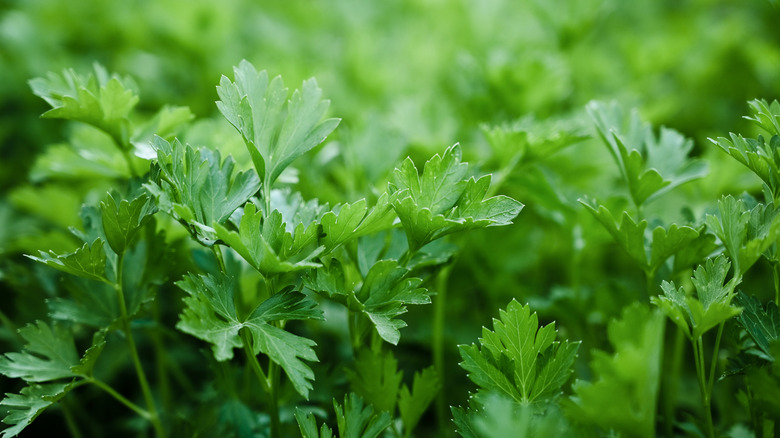
Also known as curly-leaved or Italian parsley, parsley (Petroselinum crispum) is a staple in Mediterranean dishes. Unlike other herbs mentioned thus far for a raised garden bed, parsley can be a bit tricky. This is because it prefers moist soil. However, it also does best with soil that has good drainage, which is why it flourishes in garden beds, so long as you're able to establish a regular watering routine to combat the dryness that often comes along with container gardens. Parsley requires full sun for the best results, and it attracts butterflies thanks to its summer flowers.
Marjoram
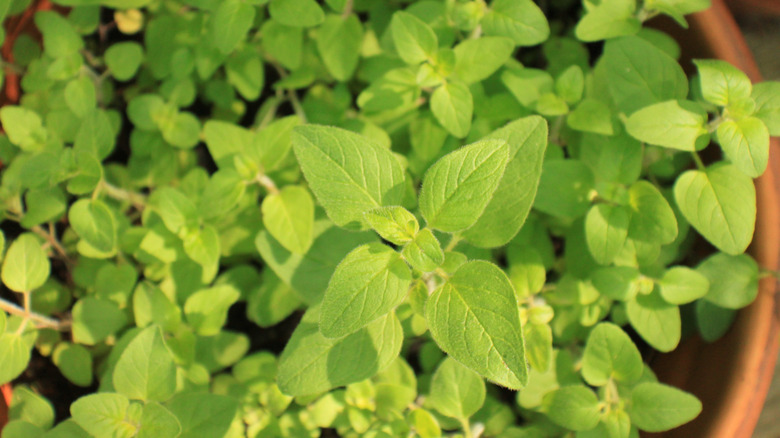
Marjoram (Origanum majorana) is actually in the oregano genus. However, its flavor profile can be so different from other oregano herbs (such as the traditional Origanum vulgare) that it deserves its own place in your garden. Once it becomes an established part of your garden, marjoram is fairly hands-free, tolerating drought conditions with ease. It also requires good drainage. However, to encourage bushier growth, you may wish to pinch it back regularly, a task made easier with the help of an elevated garden bed. Marjoram is a full-sun plant that's winter hardy in zones 9 and 10.
Dill
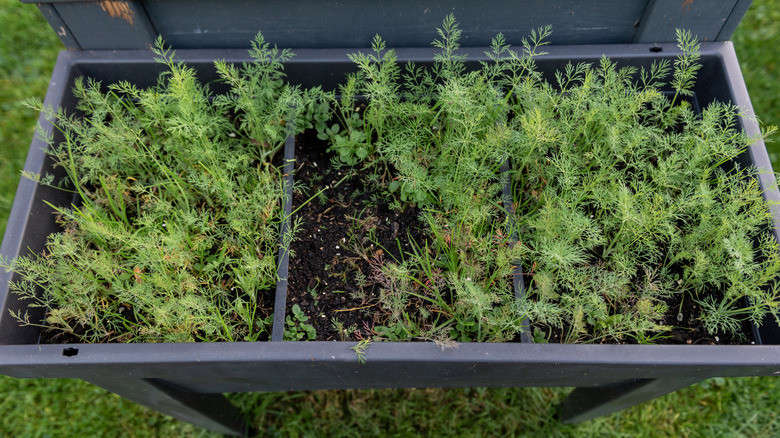
As a self-seeding annual, dill (Anethum graveolens) bridges the gap between annuals and perennials in your garden. Although the original plant will die after the season, its seeds can sprout again the following year for recurrent growth. For the best results with dill, it needs well-drained soil (such as in a raised bed), as excessive water leads to leggy, limp, or otherwise poor growth. It prefers either full sun or partial shade. When allowed to flower, it attracts a wide range of beneficial insects, including black swallowtail butterflies, which it is a host plant for.
Chives
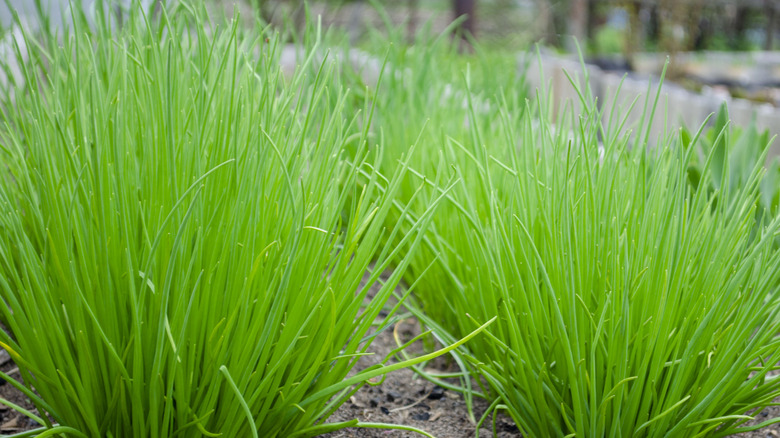
Planning a flourished raised herb garden isn't all about functionality: you may wish to consider appearance too. Chives (Allium schoenoprasum) are a popular choice for raised garden beds and act as an eye-catching, edible border plant. You can grow chives as a perennial in zones 4 through 8. Just make sure to choose a spot with at least partial sunlight. Although chives prefer moist soil, they also tolerate conditions that are occasionally dry. As a result, this edible herb flourishes with the drainage of a raised bed while pulling double-duty to balance functionality with aesthetics.
Garden sage
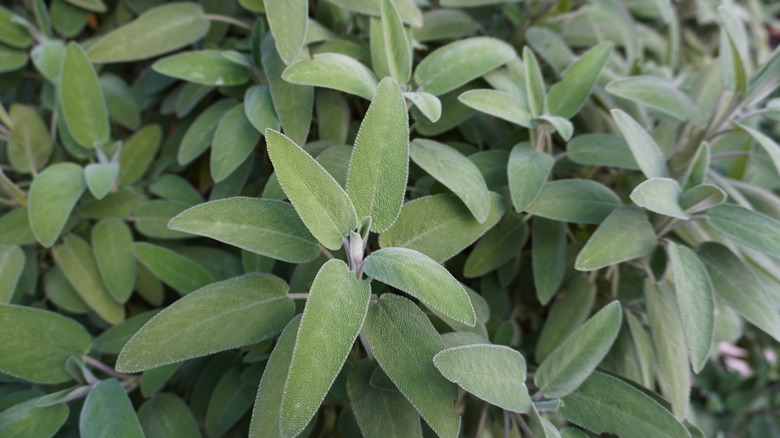
Also known as common or culinary sage, garden sage (Salvia officinalis) makes a unique addition to your kitchen herb garden. This is thanks to its velvety soft leaves, which provide a unique texture compared to other common herbs. It readily tolerates drought and dry soil, all while requiring good draining, which is the perfect combination for a raised garden bed located in full or partial shade. Garden sage is hardy in zones 4 through 8, and it can take a growing season to become ready for heavy harvesting.
Basil
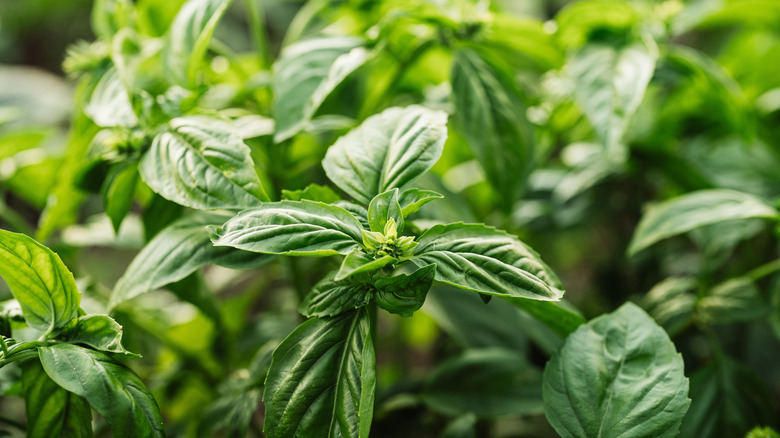
Raised bed or not, it wouldn't be an herb garden without mentioning basil (Ocimum basilicum). Like many of the other herbs listed, you can expect basil to flourish in a raised bed for two reasons. First, it needs regular pruning to promote a bushy silhouette. This is more accessible with a raised bed, which makes care more likely to be accomplished. It also needs well-draining soil and plenty of sunlight during the day. Just keep in mind that it's only hardy in zone 10, so you may need to grow it as an annual outside of this climate.