

What Do The Numbers On Vintage Furniture Mean?
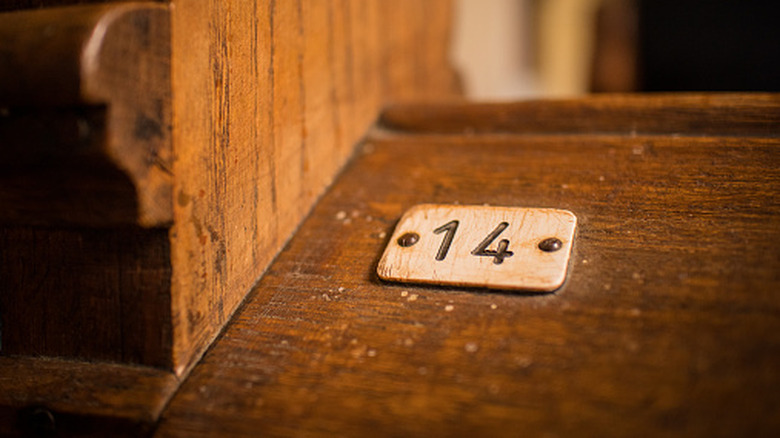
One of the nicest things about vintage furniture pieces is the stories they carry. Maybe they were family heirlooms, or once belonged to someone famous. But those stories are not always obvious. Sometimes they are hidden — take, for instance, the numbers sometimes carved or stamped on vintage furniture pieces. These numbers often appear alongside letters and symbols, and manufacturers and artisans place them there to show origin, authenticity, and the time of creation. Plus, sometimes these numbers are also patent numbers or serial numbers that hide other information.
Sometimes knowing what the numbers on your vintage furniture mean can actually transform it from just an accessory you own to a piece of great sentimental or financial value, once you learn where it came from and who made it. So, if you have a vintage furniture piece, make sure to check out the numbers on it. And if you don't have vintage furniture in your home, definitely check out your local thrift stores and look for numbers that may indicate hidden treasure.
When you check out the best places to shop for vintage furniture, just keep in mind that, sometimes, forgers reproduce or fake brand marks and numbers to sell cheaply made furniture as high-value vintage items. So, make sure that you are also aware of the signs that tell if a piece of vintage furniture is authentic or not.
Reading vintage furniture numbers starts with the manufacturer
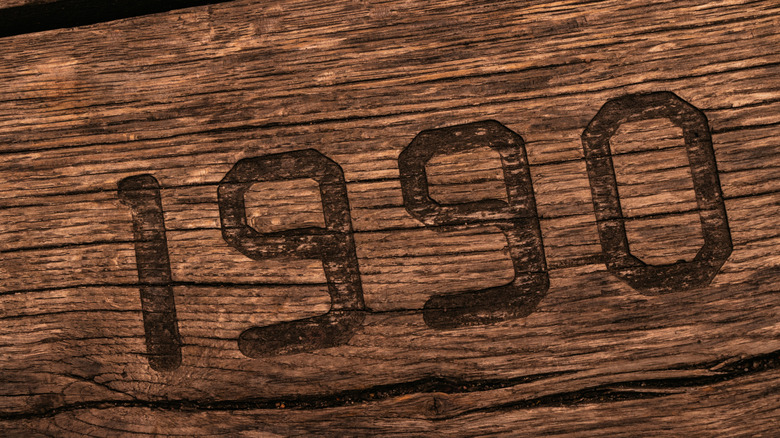
The first step when you are trying to understand the numbers on your vintage furniture is to identify who actually made it in the first place. There is no single universal furniture-wide standard for these numbers. So, what a number on your vintage furniture means can vary from one manufacturer to another. In addition, the format of these numbers can vary from era to era as well. Luckily, though, many manufacturers also print their logo or mark on the furniture. So, finding out who made the piece should be pretty easy in most cases.
Once you have that information, you can search for it online. There might be a catalog or a database, like a museum website or auction house, that could help you figure out what the numbers mean. You can even try talking to a furniture dealer or vintage and antique furniture enthusiasts, as they might also be able to help you uncover the details of the numbers.
If the number looks like a date format, it is likely a production date. However, a long string of numbers is more likely an internal production code or serial number. Serial numbers are just like modern product identifiers, encoding production dates and batch information directly into the digit sequence. But, once again, there is no universal standard of serial numbers for furniture. So, make sure you know your vintage furniture brands before you try to figure out what they mean.
Numbers on vintage furniture are not always obvious
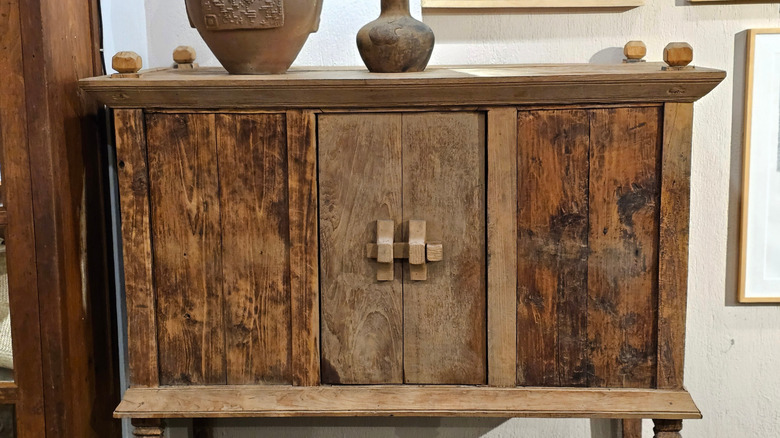
The numbers on vintage furniture come in many forms. Sometimes they are engraved, and at other times they are printed with ink. Some furniture pieces might even have these numbers added as metal tags on them. Also, these numbers are not always on the front or in clear view. Manufacturers often place them in inconspicuous spots that would not disturb the overall design. So, where should you look for them then? Take a look at the sides, bottom, and rear of your furniture.
For instance, if it is a cabinet or desk, chances are the numbers will be on the back panel. That way, it stays hidden against the wall. However, if it is a chair or table, you might have to look at the legs. Likewise, sometimes these numbers might also appear near joints or screws, as some manufacturers place them there to show their unique quality or craftsmanship. Also, keep in mind that not all vintage furniture pieces carry these numbers. Many prized vintage furniture pieces are hand-built or originate from local makers who intentionally left their products unmarked.
Plus, as time passes, engravings can fade, ink can wash out, and metal tags can be lost or removed. So, do not stress if your vintage furniture does not have a number. It does not make it any less useful or, honestly, any less valuable as long as it is beautifully made and is kept well. And, if it ever starts feeling worn, you can always give your vintage furniture a modern update.