

Plant This Low-Maintenance, Pollinator-Attracting Shrub For Early Flowers
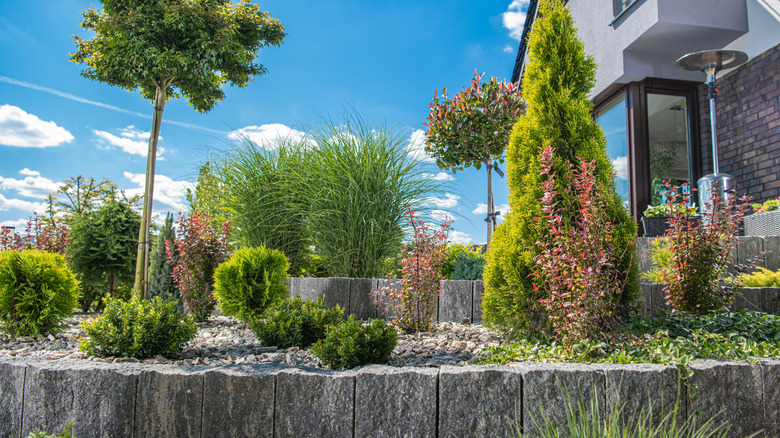
Gardeners' ears perk up when they hear a shrub is "low-maintenance," but when they also learn the plant is drought-tolerant, needs very little water, supports pollinators and wildlife, especially in the early spring, and is beautiful to boot, the shrub becomes hard to resist. The plants in the Arctostaphylos genus, commonly known as manzanita, offer all these traits and are also well-suited to firewise landscapes. The Plant Native calls manzanita "one of the most fire-resilient shrubs in North America." Manzanita should be included among plants that can reduce soil erosion while beautifying your yard, especially on slopes.
The genus comprises about 80 species and many cultivars with lots of variation, including species that grow as ground cover, evergreen shrubs, or small trees. In the United States, most manzanita is grown in the West, except for the uva-ursi species, which grows throughout much of North America.
Manzanita has something to offer throughout the year, including fruits that support wildlife and leaves in multiple colors (especially new growth). Many species also feature pinkish flowers that arrive in early spring, depending on the variety, providing food for birds, bees, and butterflies. You'll also find twisty branches and beautiful bark in some species. Best of all, it's easy to grow and care for.
Grow easy-care manzanita and support pollinators and wildlife
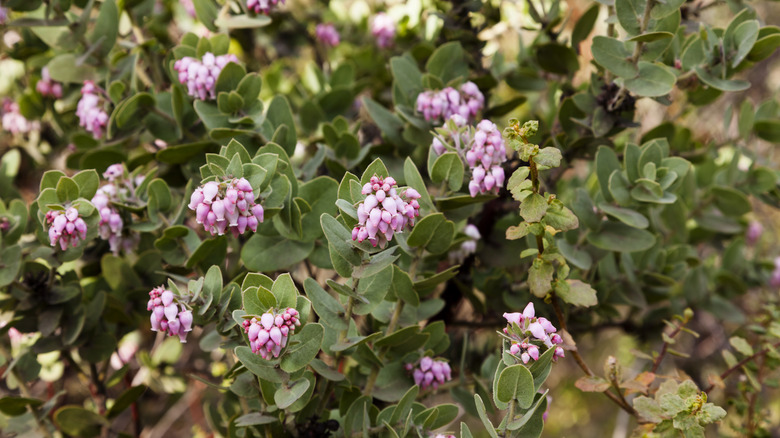
Native to California, manzanita is cold-hardy in USDA zones 8 to 10. You'll most likely be buying manzanita as a plant; growing from seed is problematic because germination of seeds is triggered by fire! Given the variation in Manzanita species, it's a good idea to check the plant tag to make sure the shrub is suited for the growing conditions on your property. The best time to plant drought-tolerant plants like manzanita is fall or early spring, depending on your location and the species. Plant in well-draining soil that is low in nutrients in a spot with full sun.
Consider a coarsely grained mulch around new plantings to help keep splashed water off leaves and prevent fungal diseases; drip irrigation is another option for avoiding fungal issues as plants establish themselves. The shrub deserves a place among drought resistant plants that will thrive without much water and should not be watered or fertilized once established.
The shrub form of manzanita should not need pruning but may be subject to branch dieback and need to have branches and twigs removed. Don't be concerned when manzanita sheds its bark in the summer. New bark will emerge, becoming smooth before the end of the summer. Manzanita plants have minimal pest and disease issues, be sure to give the shrub adequate air circulation. You can propagate manzanita with stem cuttings.