

Say Goodbye To Wasps With An Herb They Can't Stand
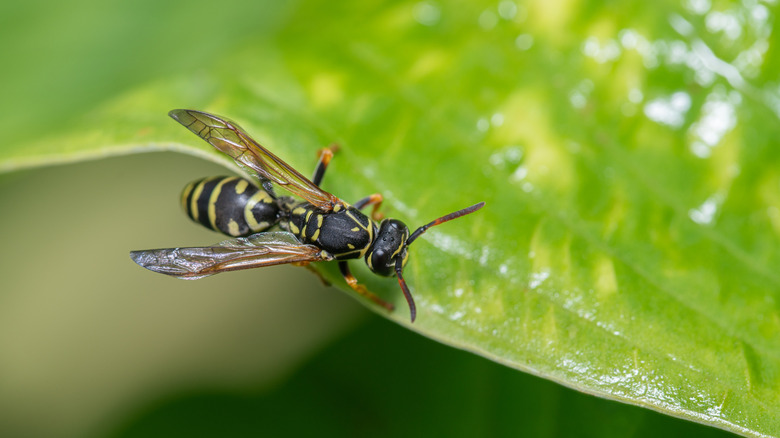
No one wants wasps bugging them in their garden. Sure, these insects can be helpful pollinators, but we'd prefer them not to be in close range while we try to tend to our plants or eat dinner outside. If your garden is plagued with wasps, or if you've started to notice a few flying around and you'd like to eradicate them, here's a hack you can try. There are a few plants that wasps detest due to their strong scents. Lemon balm (Melissa officinalis) is one of them. Part of the mint family, lemon balm emits a citrusy smell that wasps dislike, making it an excellent choice for a natural form of pest control.
It may seem strange that herbs we love to smell, like lavender, peppermint, and lemon balm, are avoided by some insects and can help keep wasps out of our yards. But when you take into account that these creatures have an extremely sensitive sense of smell, easily affected by strong scents like the herbs mentioned above, it makes sense why they'd rather stay away from these pungent plants. Note that while planting lemon balm around your garden can help deter wasps, it's not a totally dependable method all by itself. Instead, it's recommended to combine this with other warding measures to prevent wasps before they become a problem, like keeping food and trash from being left out in your yard.
Tips on planting lemon balm in your yard
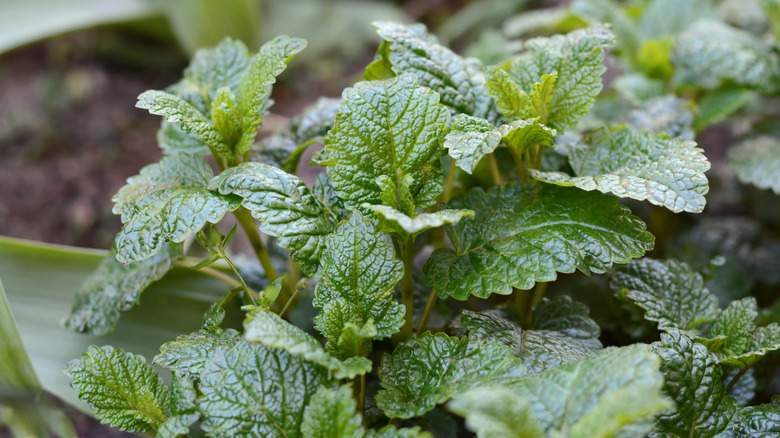
If you want to grow lemon balm in your yard to help deter wasps, note that this easy perennial prefers 4 to 6 hours of sunlight each day. If you want to get a head start, you can start your gardening indoors. Because lemon balm does require light to germinate, it is recommended to start your seeds inside in a modular tray 6 to 8 weeks before the first frost. You can then plant your seedlings outside after the last frost.
You should ensure this herb is housed in an area with well-draining soil in the pH range of 6.5 to 7.0. If you plan on sowing lemon balm seeds directly in your garden bed, make sure to bury them at anywhere from 18 to 24 inches apart to give the plants room for growing. Lemon balm is hardy in USDA zones 3 through 7 and can withstand a wide range of environments, from drought to heat.
This herb can also thrive in containers. It can be known to spread easily, so this may be an ideal option if you have a smaller property or want to avoid overgrowth. If you want to prevent wasps from bothering you during outdoor gatherings or meals, you can plant your lemon balm in containers on a patio or directly into the soil around these areas. When watering lemon balm, make sure to soak the roots as opposed to the leaves. It's recommended to hydrate this herb about once a week, or when the top inch of your soil feels dry.