

23 Best Perennials You Should Be Planting In May
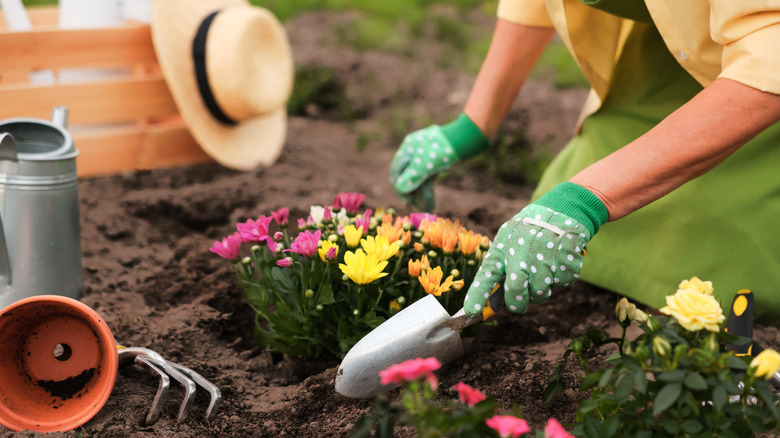
When it comes to designing a flower garden, there are certain things every gardener needs to consider, including aesthetics, maintenance, growing conditions, and companion planting. Perennials are a common solution to reduce the workload and provide long-term landscaping benefits, such as attracting pollinators to your yard that return year after year.
Timing is another essential consideration. Plant perennials based on the best long-term results and when they will bloom. Spring is an important time of year for these types of plants, and there are plenty you should be adding now. May is a key planting month for many flowering perennials because the last average frost date has passed in most of the United States. For zones 3 through 6, late April and early May still have a risk of frost, so you will want to check local frost dates and weather before planting delicate perennials.
From garden classics like creeping phlox, lavender, Shasta daisies and salvia, to favorites like larkspur, and bleeding heart, spring is the best time to plant many perennials in your garden. Some plants, like black-eyed Susan, cushion spurge, Gaillardia, and Helenium, do best when seeds are planted in early May, just after the threat of the last frost has passed. Others, like hellebore, cranesbill, and hostas perform better when transplanted in late May. While many of these perennials won't bloom until the following year, you may be surprised by how fast flowers like candy tuft and catmint fill your garden with beautiful blossoms and pollinators, even in the first year.
Black Eyed Susan
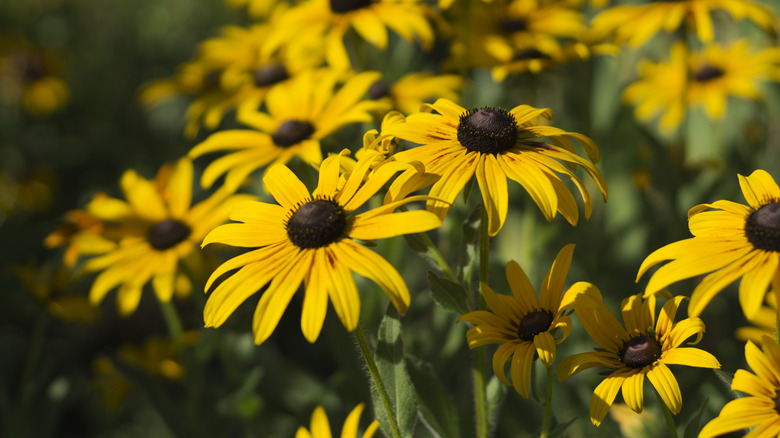
Black-eyed Susan (Rudbeckia hirta), is a clumping perennial in USDA hardiness zones 3 to 9 that is well-known for attracting pollinators in almost any style of flower garden. You can plant either seeds or seedlings in May after the threat of frost has passed. When planting from seeds, store them in a cool location, like a fridge, for up to 10 weeks before planting for best results. When planted in soil temperatures above 70 degrees Fahrenheit, they can bloom in the first year by summer and continue to self-seed each following year for spring blossoms.
Bleeding Heart
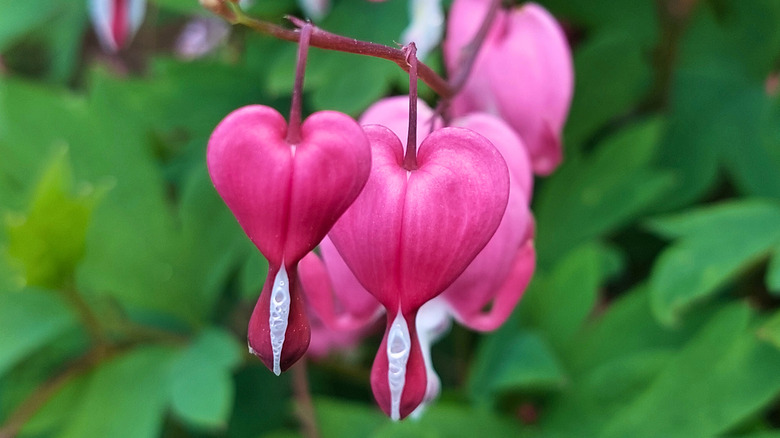
Depending on your frost date, May is the perfect time for planting bleeding heart (Lamprocapnos spectabilis). In zones 3 to 9, bleeding heart tubers can be planted in partial shade and covered with mulch as soon as temperatures reach between 55 and 65 degrees Fahrenheit. They may not flower for the first year while the roots become established. When they do start flowering, bleeding heart will bloom in the spring with heart-shaped pendant blossoms that hang from delicate stems. They can continue producing blooms for years with little attention.
Bloodroot
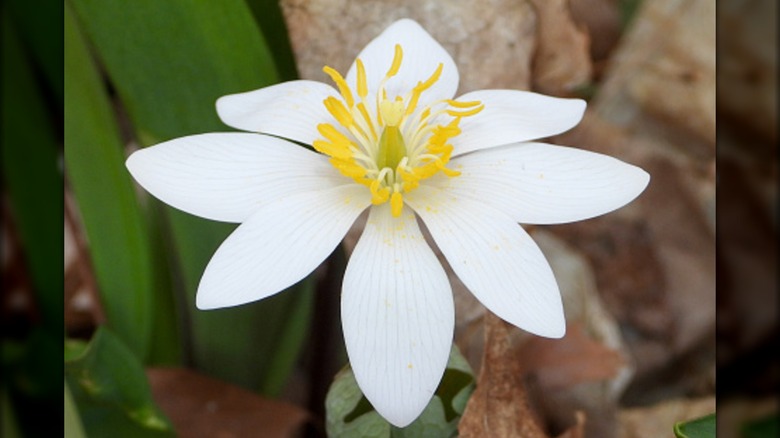
Bloodroot (Sanguinaria canadensis) propagations can be planted in the spring as a short ground cover that produces white flowers that pollinators love. They grow best in rich, moist soil with good drainage and mulch in zones 3 to 8. When planted from seeds, bloodroot won't start blooming until year 2 or 3, but divisions produce blooms faster. When they mature, they will bloom in the early spring with small, white flowers. Planting them in beds with ferns helps cover up the dying foliage in the summer. Harvest the roots for the red sap after year 5 or 6.
Candytuft
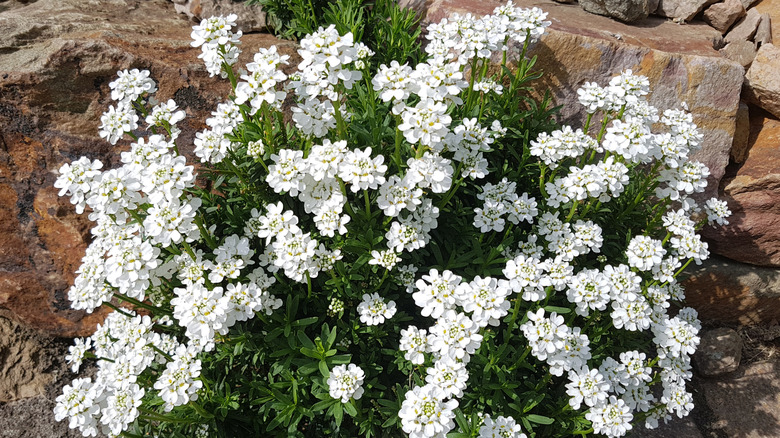
Candytuft (Iberis sempervirens) is a delicate perennial flower that can help block out weeds in your garden in zones 3 to 9 . If you are starting from seed, start them indoors at the beginning of March so they are ready to transplant in May, when soil temperatures reach between 70 and 75 degrees Fahrenheit. Place your seedlings in an area with full sun and moist soil with good drainage. Candytuft is commonly grown as a dense ground cover that blooms in the spring and fall. It will usually flower in the first year, but it may take longer if you are directly sowing seeds.
Catmint
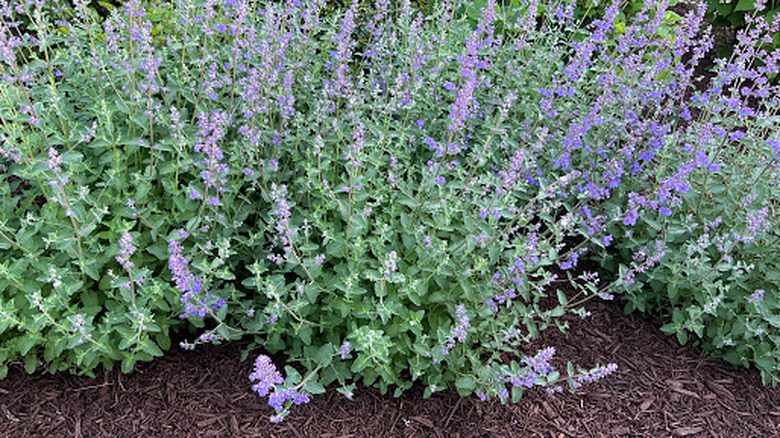
Catmint (Nepeta spp.) is a purple-flowering perennial that is commonly confused with catnip, which is just one type of catmint. Most varieties bloom as a welcome addition to your garden that attracts pollinators. You can plant catmint transplants in the spring after the threat of frost has passed, but sowing seed in late May when temperatures are above 75 degrees Fahrenheit might not produce blooms the same year. Hardiness may differ between varieties, but most catmint can be planted in zones 3 to 8. Since it flowers in the summer, catmint usually blooms the same year you plant it.
Columbine
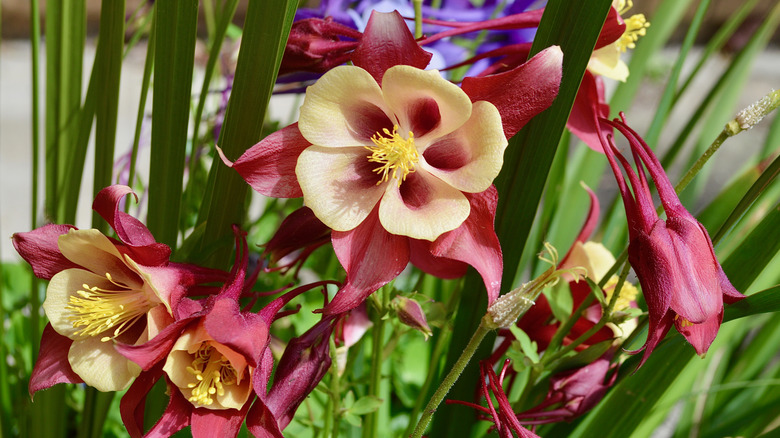
May is a great time to get your Columbine (Aquilegia spp.) transplants in the ground. Seeds, on the other hand, should be started indoors for 8 to 10 weeks. You can usually purchase transplants from a nursery. After the last frost, you can transplant your columbine seedlings to a sunny or lightly shaded area with well-draining soil. You can expect to have columbine blooms in the first year when you plant in the spring. If you wait until fall to plant seeds, you can expect to see blooms in the spring or summer the following year.
Cranesbill
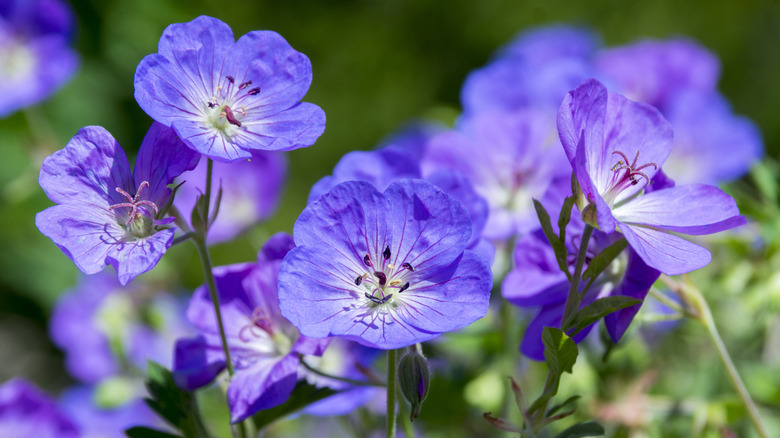
Cranesbill (Geranium maculatum), also known as hardy geraniums, is a perennial flower that grows best in zones 3 to 11. It is commonly grown as a ground cover known for attracting pollinators and songbirds. They are not true geraniums, but they do closely resemble the annual geranium plant known as Pelargonium. They make great companions for several other perennials that you can plant in May, including catmint, delphinium, and Shasta daisies. When grown from transplants, you may see flowers in the first year, though it can take 2 or 3 years in some cases.
Creeping Phlox
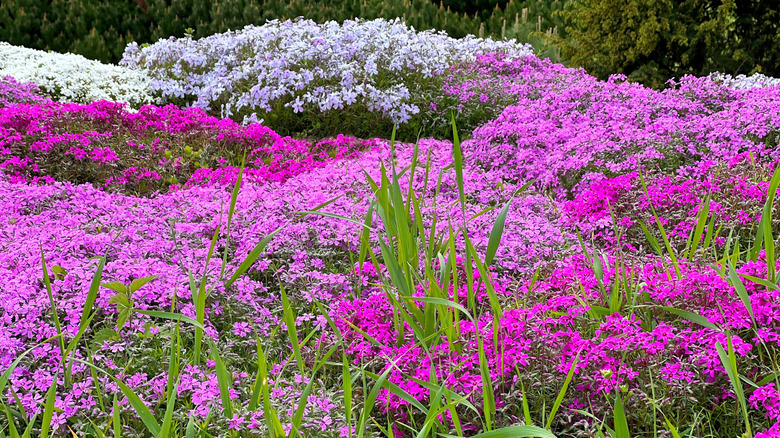
Yet another ground cover that you can plant in May, creeping Phlox (Phlox subulata) is a fast-growing perennial in zones 3 to 9. You can plant creeping Phlox transplants as soon as you receive them in the spring, but only after the threat of frost has passed, which is part of what makes May a great option. If you plant near the last frost, you are more likely to see blooms in the first season. However, year one is mostly about developing the roots. Starting in year 2, you can expect to see blooms starting in early spring.
Cushion Spurge
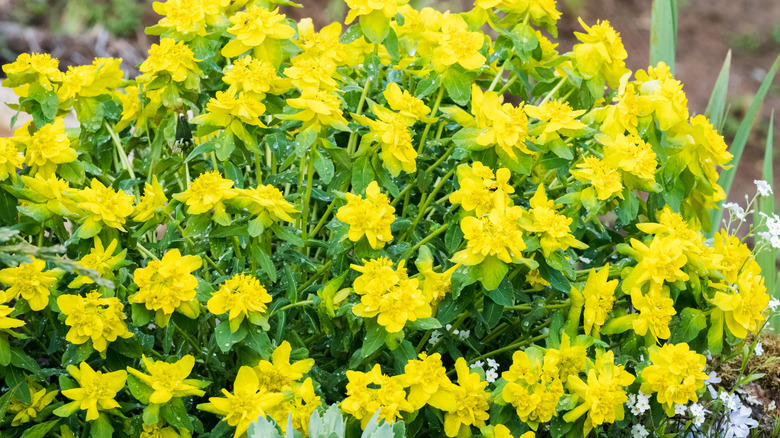
Cushion spurge (Euphorbia polychroma) is a clumping perennial that grows in neat, bush-like groups that can add interest to sunny gardens in zones 4 to 8. Whether you're sowing seeds or propagating through divisions, cushion spurge does best when planted after the last frost in the spring, making May ideal for most regions. These self-seeding blooms can flower in the first season and will continue to come back year after year. For earlier blooms, start seeds indoors 6 to 10 weeks before the last frost date. Alternatively, you can sow seeds directly in the soil.
Echinacea
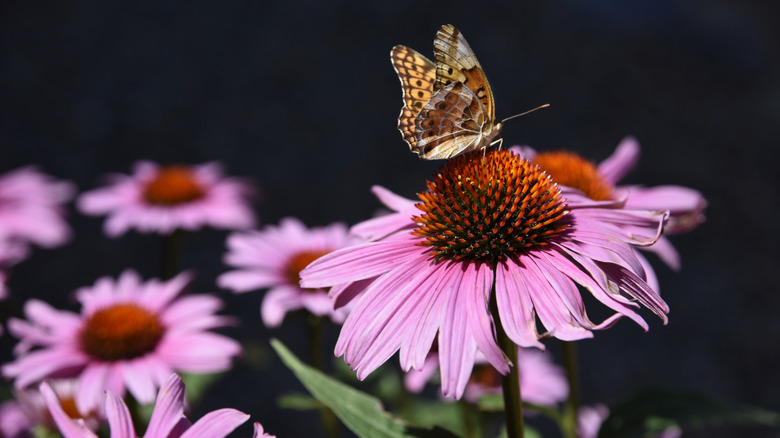
Once you plant Echinacea, also known as coneflower, you can learn how to make it last for literal decades in your garden. To get started, you'll want to get your seeds started indoors 8 to 10 weeks before the last frost or purchase seedlings. In May, once the threat of frost has passed, you can plant your seedlings in a sunny location with well-draining soil. This self-seeding perennial is commonly grown as a companion plant or in wildflower gardens to attract pollinators in zones 3 to 8. By the time you plant your seedlings, you should already be seeing the first-year blossoms.
Foxglove
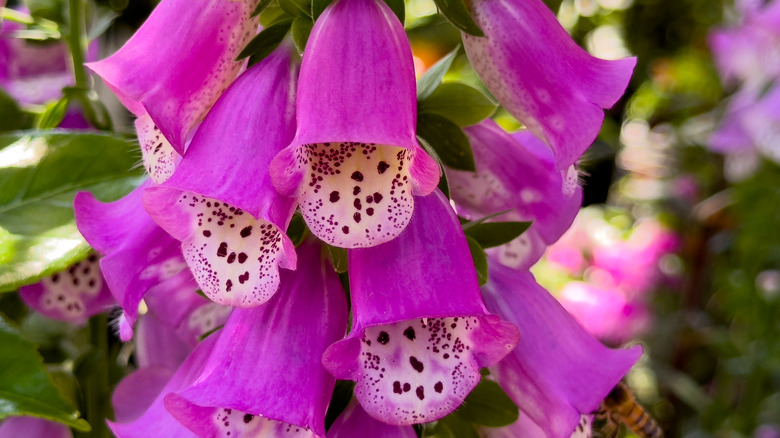
Foxglove (Digitalis purpurea) makes a stunning addition to flower beds while attracting wildlife, like hummingbirds. Foxglove is a hardy perennial in zones 4 to 9 and is toxic when consumed. It is considered invasive in some regions, like California and Oregon. If you have confirmed it is safe to plant foxglove in your region, you will want to get seedlings in the ground after the last frost in the spring. You will not see blossoms in the first year, but the plant will develop foliage and rosettes.
Gaillardia
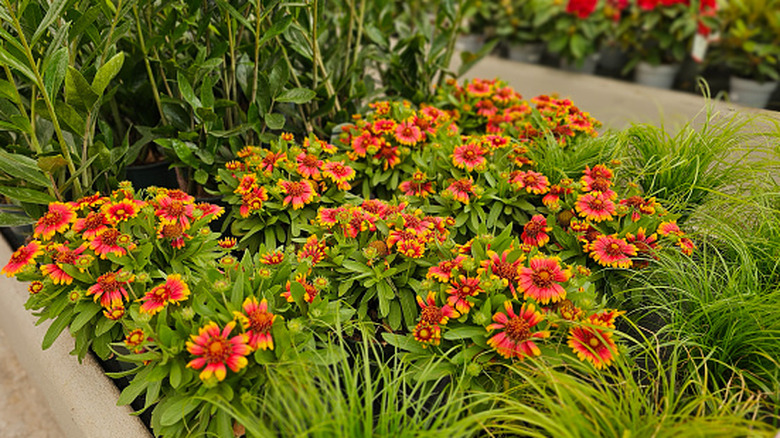
Gaillardia, also commonly known as blanket flower, is a hardy perennial in zones 3 to 9. When planting Gaillardia in May, you likely won't see flowers in the first season. It is best to plant Gaillardia from transplants in the spring after the last frost date. If you want to start your own seeds, start them indoors 4 to 6 weeks before transplanting. There are some annual Gaillardia varieties, so be sure to select a self-seeding perennial species if you want them coming back year after year.
Giant Hyssop
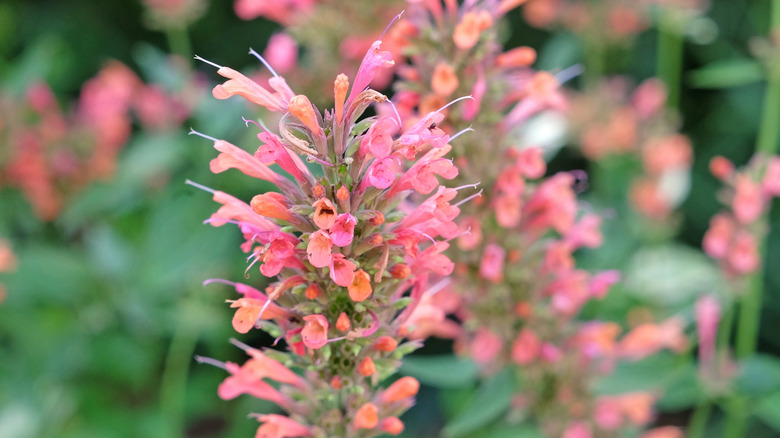
Giant hyssop (Agastache) transplants can be planted any time after the last frost through summer, making may a great time to get them in the ground. Seeds can be started indoors 8 to 10 weeks before planting or directly sown in the ground 1 to 2 weeks before the last frost. You may see foliage and some flowers in the first year if you choose to plant from transplants. Giant hyssop is commonly grown as a perennial in zones 5 to 10 to attract hummingbirds and pollinators all summer long.
Helenium
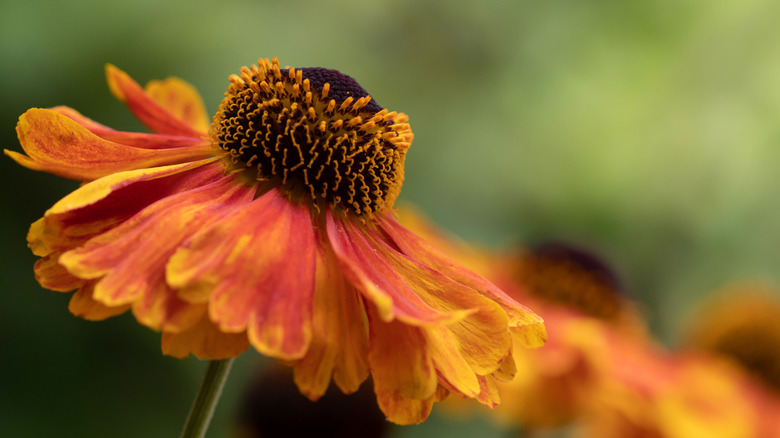
Helenium, also known as sneezeweed, is a clumping perennial that is commonly grown in wildflower gardens in zones 3 to 9. Since it blooms later in the year, you can expect to see blooms in the late summer or fall of the first year. When planting seeds, growth and blooming in the first season will be best if planted before temperatures are above 70 degrees Fahrenheit. In fact, seeds should be put in the ground before the last frost or started indoors 8 to 10 weeks before planting. May is ideal for getting transplants in the ground.
Hellebore
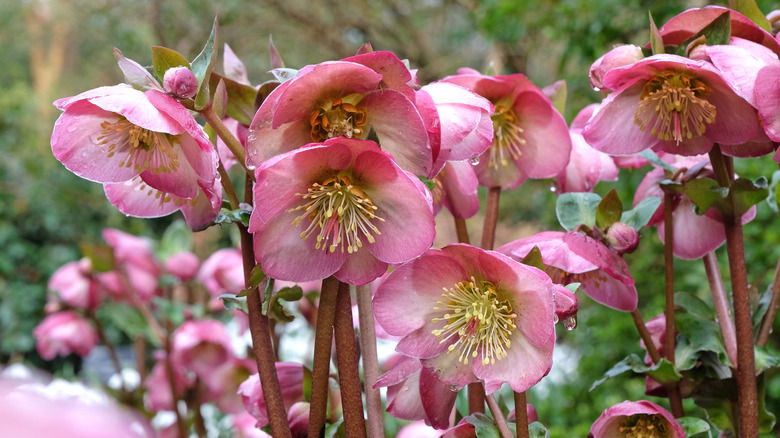
Hellebore (Helleborus) is known for being one of the earliest blooming perennials, hardy in zones 5 through 8. It blooms in the winter and early spring, but it is slow to become established, so May is a great time to get seedlings started. By planting as soon as the threat of frost has passed, you give your hellebore as long as possible to become established and produce flowers in the following season. When planted from seeds, it can take 2 or 3 years before the plant flowers.
Hostas
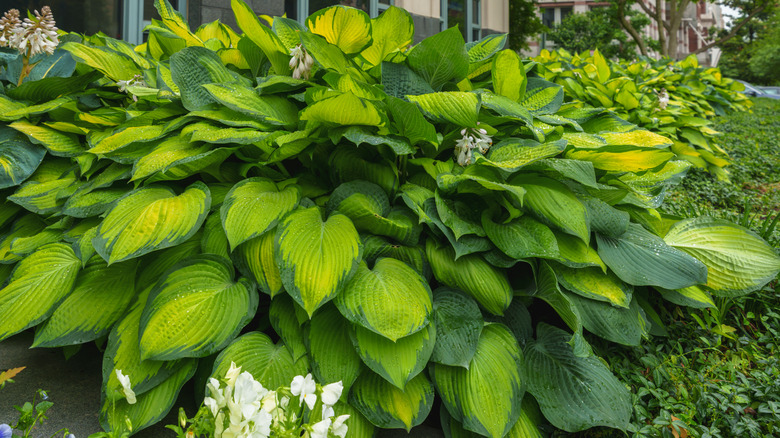
You can plant your hostas in May to give them time to establish roots. Even though they may not flower in the first season, hostas are commonly grown for the interesting varieties that grow striking leaves to fill in shady landscapes. These perennials will produce small flowers and interesting foliage in zones 3 to 9. Plant hostas from bare root divisions after the threat of frost has passed to give them time to develop roots during their active growing season in spring, allowing them to settle in before the heat of summer. Water well throughout the summer.
Larkspur
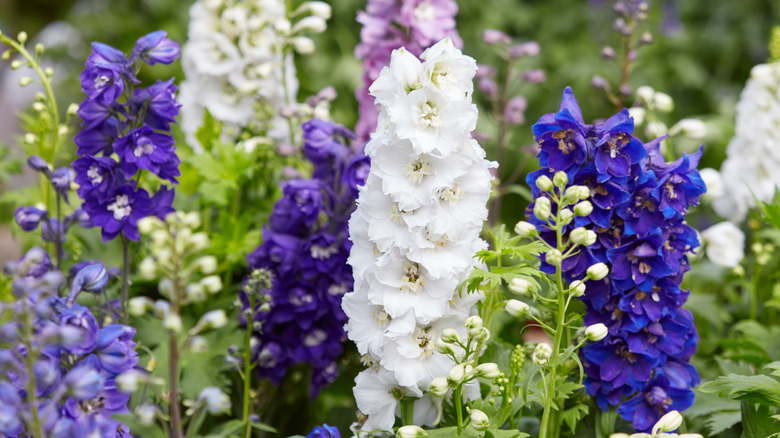
Larkspur (delphinium) is a hardy perennial in zones 3 to 9 that produces colorful blooms on tall spikes. May is ideal for getting your larkspur transplants in the ground. If you want to plant from seeds, you will need to start them indoors at least 10 weeks before the last frost date. Larkspur is commonly used in flower beds to attract pollinators, but it is toxic to animals and pets when ingested. You may need to add stakes for support when the plant reaches 12 inches tall. When planted from transplants, you can expect to see larkspur flowers in the first year.
Lavender
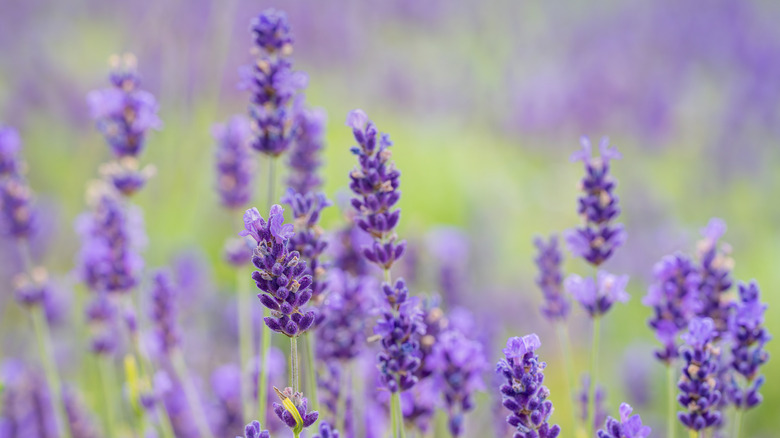
Lavender (Lavandula angustifolia) is one of the most common garden flowers grown for its pleasant fragrance, garden benefits, and various household uses. It thrives when planted in May. After the threat of frost has passed, you can plant your lavender seedlings in the ground if the soil temperature is consistently above 60 degrees Fahrenheit. In zones 5 through 9, lavender is grown as an herbaceous perennial that will last for up to 15 years. The plant may bloom the first year, but removing these blooms allows the plant to divert more energy to root development for healthy establishment.
Lupines
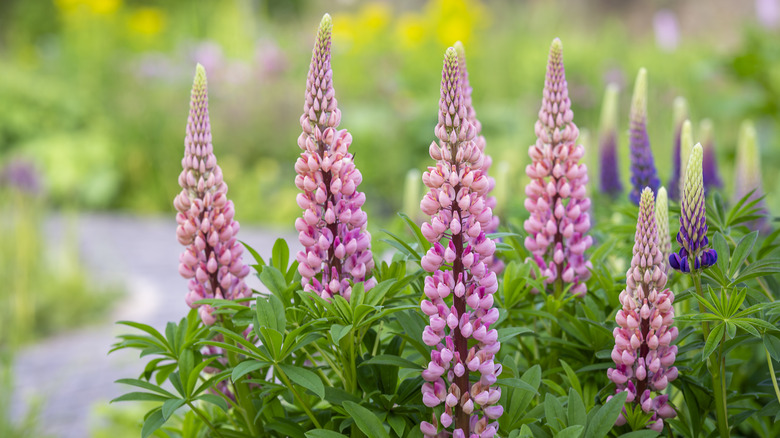
Planting perennial lupine (Lupinus) in zones 4 to 9 is a great way to add color to your garden and attract pollinators. Lupine grows best when seeds are soaked in water for up to 2 days before planting and sown around the last frost date. However, if you are in a warmer climate, you can still plant in May by starting seeds indoors 4 to 6 weeks before transplanting. Planting in the spring allows them to develop a strong root system. You may see first year blooms, but some varieties take a full year to bloom when planted in spring.
Rose Campion
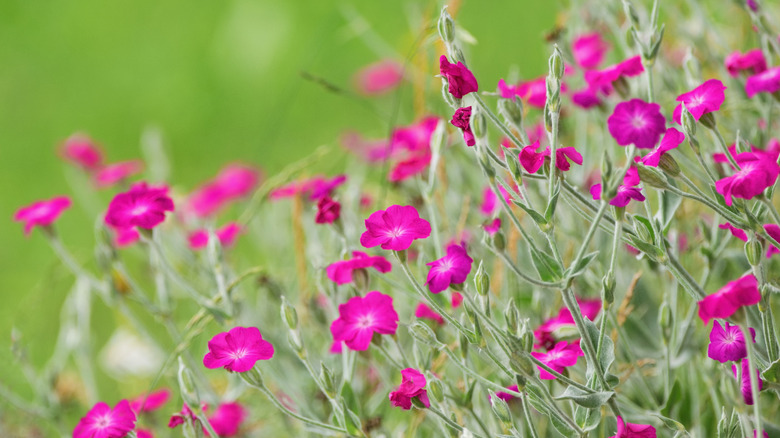
Rose campion (Silene coronaria) is a short-lived perennial that grows best in zones 4 to 10. Rose campion can get weedy and is considered invasive in some regions, like Oregon. Planting your rose campion in May allows you to transplant seedlings after the threat of frost has passed but before extreme temperatures hit, which helps the plant to establish roots. You may get small flowers in the first growing season after planting. It looks best in year two and often dies off after year three.
Salvia
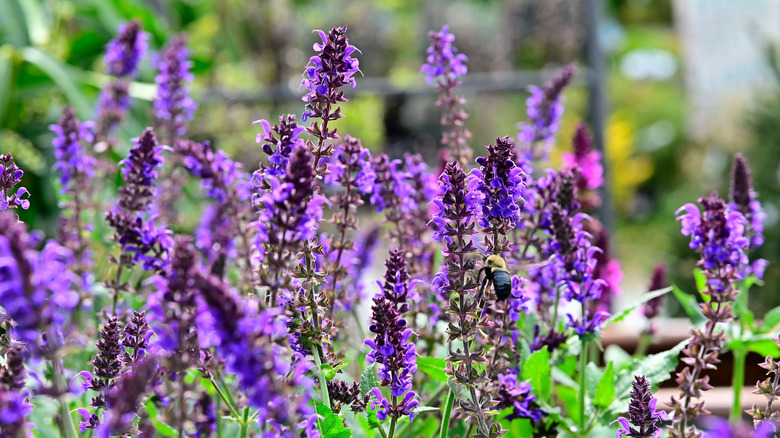
Gardeners commonly question the difference between sage and Salvia, since the botanical name for sage is Salvia. Essentially, sage commonly refers to the culinary varieties, while salvia refers to ornamental varieties. Regardless of which one you are growing in your garden, you can plant this hardy perennial in May as soon as the threat of frost has passed in zones 5 through 10. Start seeds indoors 6 to 8 weeks before planting in the ground or purchase transplants from a local nursery. Whether you plant from seeds or transplants, you can expect to see flowers starting in the second year.
Shasta Daisy
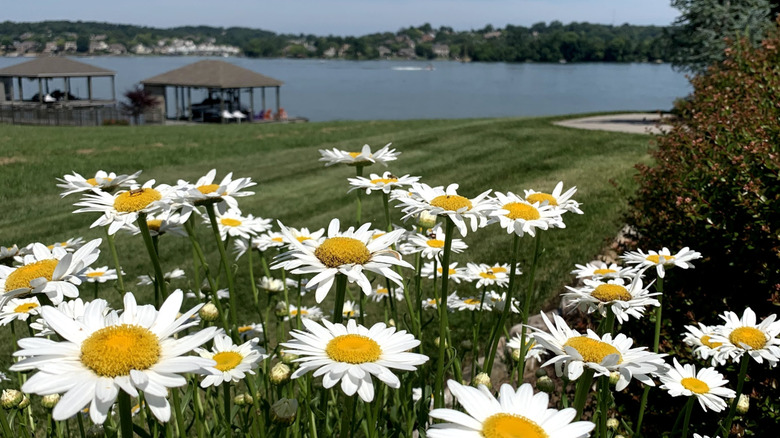
Shasta daisies (Leucanthemum x superbum) are the perfect filler for wildflower gardens that will keep attracting pollinators to your garden year after year. When grown in full sun, Shasta daisies will grow as perennials in zones 4 through 9. They are most commonly planted from transplants in the spring after the last frost date, but you can sow seeds in May too. If you choose to sow seeds directly in the ground, you probably won't see blooms until the second year.
Solomon's Seal
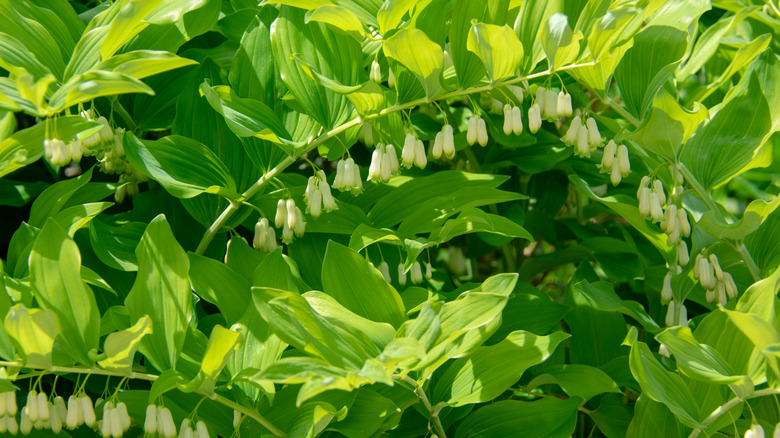
You can plant Solomon's seal (Polygonatum) in May from transplants once the last frost date has passed. They can be planted from seeds, but it is much more complex and requires months of cold stratification to be successful. Solomon's seal is commonly grown as a foliage plant in zones 3 to 9, but it will also produce small whitish-green trumpet-shaped flowers in spring and summer starting in year one. However, if you plant seeds, you will have healthy foliage but you won't see blossoms in the first year. Seeds generally take at least two years to bloom.