

Say Goodbye To Wasps With A Popular Essential Oil They Can't Stand
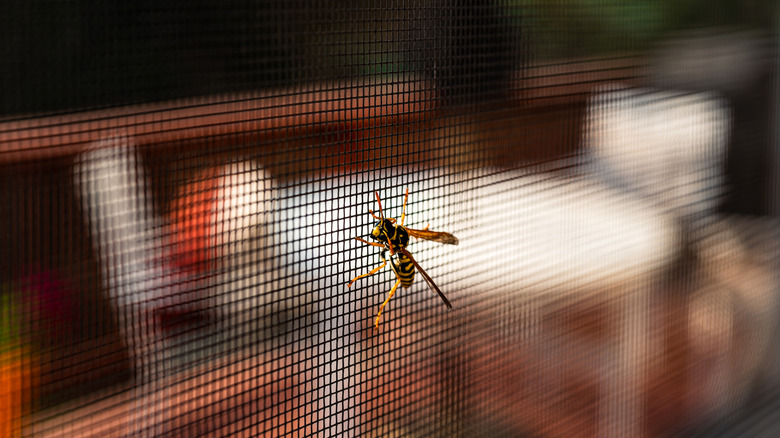
When wasps start appearing around patios, doorways, or even inside the house, many people look for alternatives to harsh chemical sprays — especially in spaces where food, pets, or friends and family pass through. That's where tea tree oil often enters the conversation. Known for its strong, medicinal scent, it's a big hit in cleaning and personal care, but it can also be used as a natural way to repel insects.
The idea behind using tea tree oil as a wasp deterrent really comes down to scent. Wasps rely on their sense of smell to find food sources and communicate, so certain strong odors can interfere with their behavior. Essential oils, including tea tree oil, produce highly concentrated scents that may be unpleasant and confusing to insects, making them stay out of the area.
However, it's important to set expectations early: tea tree oil is not a guaranteed solution for getting rid of wasps. Unlike professional extermination, it has not been proven to destroy nests or stop wasps from returning entirely. That being said, it can still be helpful in reducing their activity in specific areas, especially when used consistently and in combination with other preventative steps. For anyone considering a more natural approach, it can certainly be a good method.
What science says about scent-based insect deterrents

Tea tree oil gets its signature sharp scent from naturally occurring compounds it contains, namely terpenes, which have been studied for their antimicrobial and insect-related uses. Terpenes are naturally produced by many plants in order to deter pests, and in some cases even poison them.
These compounds deliver an odor that puts wasps into an olfactory overload that essentially disrupts their sensory system and keeps them from approaching closer to the source. Many plant-based bug sprays contain terpenes due to the scent they give off, and you may notice that even traditional bug sprays contain aromatic compounds that smell similar to terpenes if you were to compare them. Tea tree oil contains the same terpenes as eucalyptus, which has been known to have a scent that deters wasps naturally.
That said, the effectiveness of essential oils can vary widely depending on the insect and the oil. While tea tree oil can work really well against mosquitoes, not all insects are the same. Wasps are more complex in their behavior than many other insects, especially socially, as they build nests, claim territory, and also have a defensive nature. Because of this, scent alone is not always enough to fully deter them from an established area, however its ability to assist in keeping them away has been well cited. Furthermore, tea tree oil has antiseptic properties and can be used to treat wasp stings.
How to use tea tree oil safely — and what to avoid
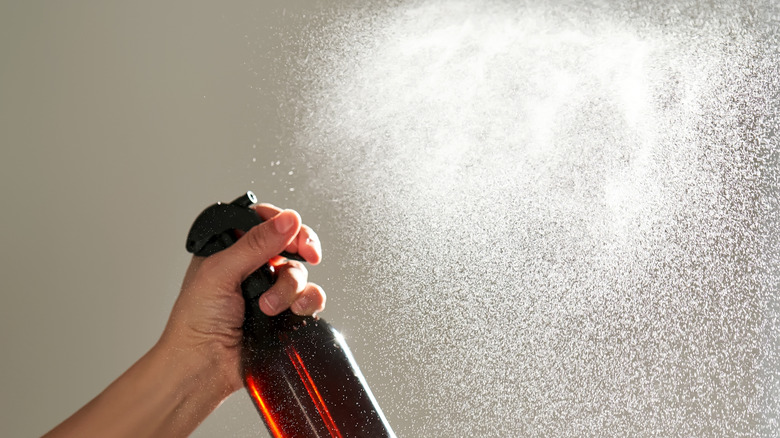
If you want to try tea tree oil as part of a wasp-deterrent approach, application is key. It's important to always dilute tea tree oil before spraying it on anything, as applying it in full strength can be overpowering and damage certain surfaces like painted finishes. A common method is to mix a small amount with water in a spray bottle and apply it around areas where wasps tend to gather, such as railings, outdoor furniture, or entry points.
Since scent fades over time, reapplication is important for maintaining any potential effect. It's also best used in targeted spots rather than sprayed broadly across large areas, though it can also be diffused with an aromatic diffuser. It's important to be aware that tea tree oil can irritate skin, so it's best to avoid letting it get on surfaces that you touch often. Keeping the surrounding space clean — especially removing food scraps, sugary residue, or open drinks — will make the method much more effective overall by removing other overpowering scents.
Tea tree oil should be kept away from pets, since some animals can be sensitive to essential oils. Last but not least, there is no research suggesting it should be used in situations involving active nests, and you should avoid ever removing a wasp nest yourself. In those cases, professional removal or more established control methods are the safer and more effective option. Used thoughtfully, tea tree oil can serve as a mild, low-impact addition to your outdoor routine for a more wasp-free season.