

12 Of The Most Common Plant Diseases You Don't Want Ruining Your Plants
We may receive a commission on purchases made from links.
It's so disappointing when you walk outside one morning and see that something has gone very wrong with some of your plants. Suddenly there are mottled leaves, blackened stems, and gray and collapsed foliage. All of these can come out of nowhere and affect plants that seemed healthy just a day or two before. As a master gardener, I have spent many years learning which symptoms belong to which disease, the best preventative controls, whether there is any successful treatment, and which diseases can't be reversed. Identifying the problem correctly is essential — at best, misdiagnosing the condition your plant is suffering from wastes your time. And at worst, it can accelerate the damage.
I'm a permaculture specialist, so I don't use chemical controls. And, for many common plant diseases, like fusarium wilt and gray mold, there are no effective chemical interventions, anyway. Instead, I prefer to work on preventative measures like building genuinely healthy soil, watering correctly, and making sure there is plenty of air flow to minimize the risk of contracting a plant pathogen in the first place. I encourage anybody with a garden to start learning early identifiers of common problems, like powdery mildew, so that they can take swift decisive action to help prevent any plant disease from spreading.
Powdery mildew causes splotches of gray powder on leaves
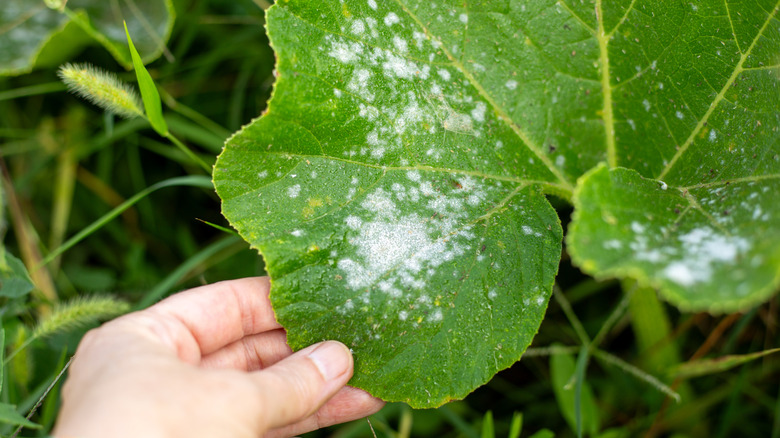
Powdery mildew is frustratingly common. It's a fungal disease caused by a number of similar fungi and it affects more than 10,000 plant species. If you are a vegetable grower like me, you will undoubtedly have seen it as a dusty white coating on your squash and zucchini leaves. In an ornamental garden you'll frequently see it on plants like roses or lilacs. Powdery mildew is a particular problem in temperate gardens during most of the growing season, because it thrives on warm dry days and cool humid nights. This fungal disease doesn't kill plants outright. However, it does weaken plants and reduce the yields of crops. Plus it makes ornamentals look awful. Plants get a white-to-gray dusty coating on the leaf surface but the fungus also puts off special structures that get inside the plant tissue where they extract nutrients to feed the fungus.
There's not much of a cure, but you can prevent powdery mildew from taking over and limit its spread by removing affected leaves and improving air circulation around your plants. Space your plants at an appropriate distance apart right from the get-go and prune where you can to open up the canopy. This improves airflow and discourages fungi. I'd also strongly recommend that you avoid offering any nitrogen late in the growing season as this produces soft new growth that is particularly susceptible to powdery mildew. For crops like squashes and zucchini, I have had success growing them up a frame rather than letting them sit on the ground, as this keeps their canopy nice and open and gives better air flow.
Downy mildew causes fuzzy patches on leaves
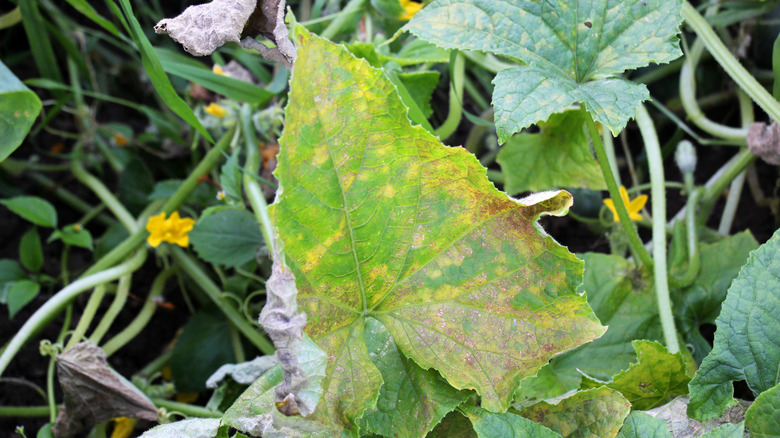
Many people understandably confuse downy mildew with its powdery cousin, but once you know what to look for, you can see the differences. Plants with downy mildew have yellowish-to-pale green patches on the leaf tops, and underneath you'll find white, gray, or purplish downy fuzz. This is an oomycete or water mold pathogen rather than a true fungus and it attacks a huge range of edibles and ornamentals. You'll find it on impatiens and nasturtiums as well as basil, grapes, brassicas, and members of the squash family. Downy mildew needs moisture on the leaf surface, so it's much more problematic in cool wet weather.
Water your plants from the base rather than overhead and do it with a gentle watering mechanism like drip irrigation or a soaker hose so that you don't get any splashes from the soil onto the leaves. You may also want to remove the lower leaves of some plants like tomatoes. I generally tell people to water in the mornings, fairly early, so that water has the chance to evaporate during the hot day before nightfall. Downy mildew overwinters in dead plant matter and it can persist in the soil, too. You may want to plant resistant varieties or species in beds where you have previous had problems.
Gray mold (Botrytis blight) spreads fast
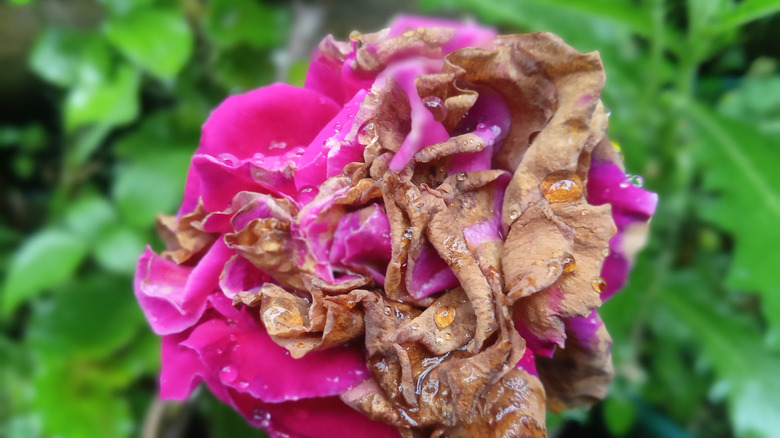
I loathe gray mold. It spreads so fast and it attacks so suddenly. I lost an entire crop of tomatoes to this disease in about 48 hours a few years back. It just went through all of the plants so incredibly quickly. It will also attack anything from strawberries to peonies, and it leaves behind a mess of brown, water-soaked rot, pretty much overnight. It attacks flowers, leaves, stems, and fruit. At first you might notice some soft, brown, water-soaked spots on the leaves or stems of your plants, quickly followed by gray fuzzy spores. Gray mold is also called Botrytis blight and it primarily infects plants through wounded tissue or decaying plant matter, for example where dead petals may fall onto healthy foliage below.
There's very little you can do to fix gray mold once it sets in, other than to just destroy the plants. To prevent it you want to deadhead any spent flowers as soon as they appear and get rid of any damaged or dead plant tissue. If you catch it early enough, you might be able to prune diseased branches about six inches beyond the last sign of disease. Sterilize your pruners between cuts with a 70% rubbing alcohol, like this one from Rapid Protectant. Good air flow is important here, just as with other fungal diseases.
Black spot defoliates roses
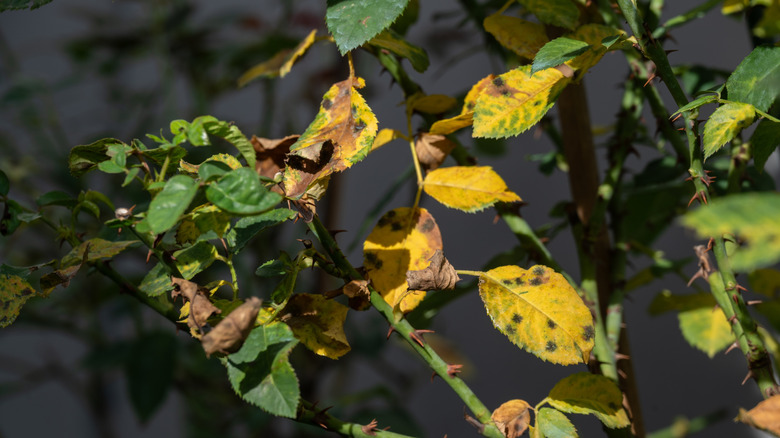
Black spot is among the most common diseases that attack roses and it's one of the most interesting. New cultivars come out on a regular basis that claim resistance to black spot. However this is an adaptive fungal disease and it mutates and produces new strains easily. Therefore, even if a new cultivar shows real promise and a high degree of resistance to existing strains, there is a high chance that this resistance won't last as new strains of the fungus develop.
If your roses have black spot, you'll see round dark black to black-purple spots on the leaf surfaces. The spots usually have feathery or ragged edges. The affected leaves turn yellow and then fall. Some plants end up fully defoliated by midsummer, which depletes their energy reserves, seriously inhibits photosynthesis, and reduces flowering. The fungus responsible for this disease, Diplocarpon rosae, overwinters in infected plants and fallen leaf litter. Then, spores splash up onto new foliage in the spring or get blown in from other gardens. Knockout series roses and rugosa hybrids are currently showing excellent resistance. Avoid things like hybrid tea roses, which are notoriously susceptible to black spot. Neem oil sprays are an organic control option proving to be successful. The easiest way to keep black spot from spreading is to lay cardboard and a thick layer of mulch around the plants as a physical barrier so the spores can't get to the plant.
Rust causes spore-filled pustules
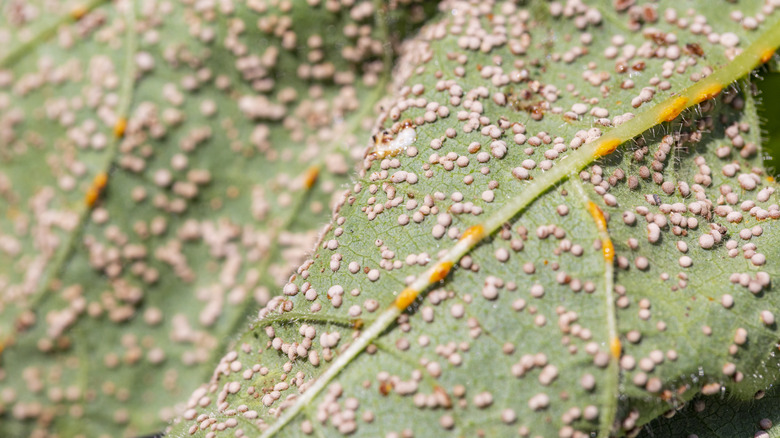
Rust is actually a group of closely related fungal diseases. Each type of rust fungi is specific to just a few plants. For example, allium rust is a different species from the one that attacks hollyhock as well as those that attack fuchsia and roses. Some plants like hollyhocks are particularly at risk.
Rust fungi don't generally kill their host apart from in extreme conditions, but they do make the plant look sad and unappealing. Depending on the type of plant that's infected, you may see pale spots on the leaves that end up forming orangey pustules, which appear most often on the underside of the leaves. Each of these orange, yellow, brown, or black pustules releases countless spores. These rusty pustules may also appear on leaf stalks and stems but they don't generally affect flowers and fruit. If a plant is badly infected, it may lose the most affected leaves and in some cases, it can reduce the overall performance of the plant.
Root rot kills from under the soil line
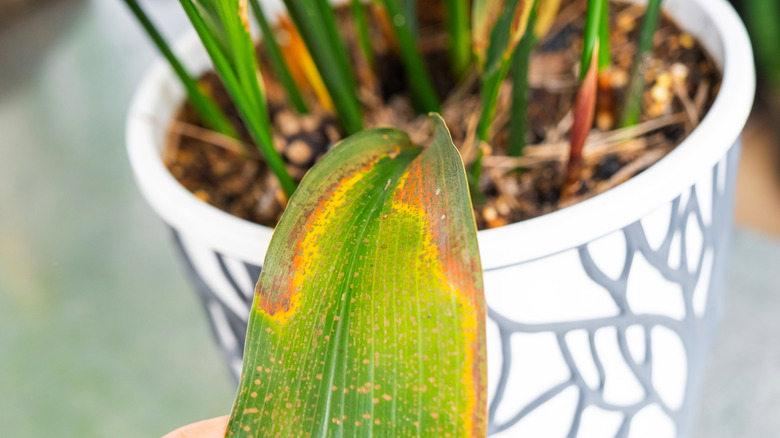
By the time you know your plant has root rot, it's usually too late. With root rot problems, the symptoms don't appear above ground until the rot has caused significant damage below. Root rot is caused by any one of a variety of water mold and fungal pathogens, including Phytophthora, Pythium, and Fusarium. All of them thrive in waterlogged and poorly drained soil where roots are already struggling because of a lack of oxygen.
If there's no other obvious cause and your plant is wilting or listing, leaves are turning yellow and dropping, and growth is stalling, and the ground is pretty wet, lift the plant (assuming it's a small or containerized specimen). You'll likely see roots that are brown, black, and mushy. If the damage is extensive, there is really nothing you can do to save the plant. If less than 50% of the plant's roots are affected, you can trim off the damaged portions and replant it in a better, well-drained location. The only real fix or prevention is to improve the soil structure and drainage problem. Fungicides are only useful if you know exactly which pathogen you're dealing with, and most home gardeners will not know this information.
Damping off wrecks whole trays of seedlings
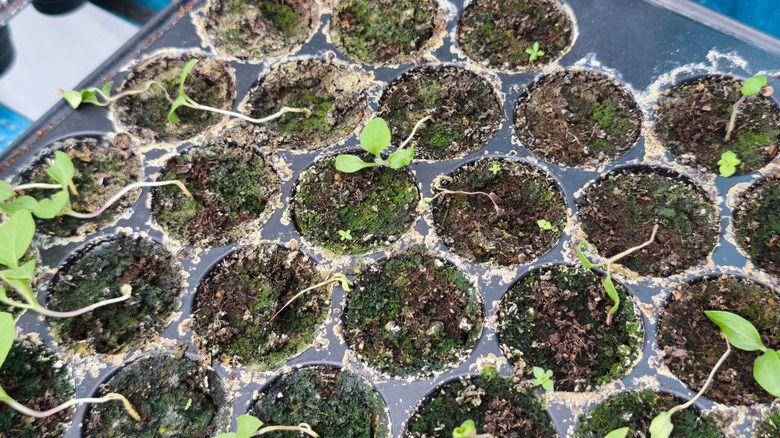
I cannot describe how disheartening it is to walk into the greenhouse or open up your polytunnel to see that all of your lovely little seedlings that were so vigorous have become wilted and collapsed at the soil line. This is damping off and it is genuinely upsetting and infuriating. There are multiple soil-borne fungi that cause damping off in seedlings, with the main culprits being Pythium, Rhizoctonia, and Fusarium species. These fungal pathogens need cool wet conditions with limited airflow. They can slow germination and they also cause germinated seedlings to get thin brown stems that end up going papery at the base, and then the seedling topples.
There's no cure once you have damping off fungus in the greenhouse. You should always work to prevent it, though. Firstly, to prevent damping off, hygiene is super important. If you reuse trays where you have previously had a problem with damping off, clean them thoroughly and leave them to dry in the hot sun to kill off any lingering fungus. Make sure you use a high-quality seed starting medium. I also like to sprinkle the top of my seed trays with a light dusting of cinnamon powder as cinnamon has antifungal properties. It's also a good idea to run a small fan, like a solar-powered model, on a low setting to improve airflow around the seedlings and to water from the bottom up where possible. I use capillary matting, like this from Gardener's Supply Company, with a wick and a water tank.
Fusarium wilt lasts in the soil for over a decade
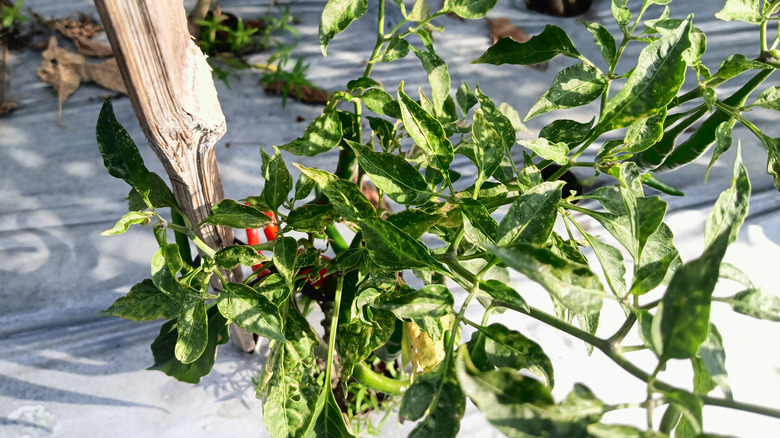
This one is a horrid, persistent disease that there is no control for once it's established. Fusarium wilt is incredibly destructive. It's a soil-borne fungus called Fusarium oxysporum and it enters through the plant's roots. Once inside it colonizes the xylem and blocks the flow of water and nutrients. Because the plant can't get any hydration or nutrition, it begins to wilt. This often happens on one side of the plant first, occasionally just on one leaf or a single branch. The wilting and yellowing happen from the base of the plant upward. If you slice the stem of an affected plant and look at the cross-section, you'll see brown discoloration of the vascular tissue. This is a clear indicator that you're dealing with fusarium wilt and not a different issue. Each strain of the fungus has a very limited host range, as with rust, so the fusarium wilt that infects peppers is a different strain from the one that attacks carnations, for example.
One of the biggest issues with fusarium wilt is that it can last in the soil for a decade or more. Plus there are no chemicals for residential use that will kill it off once you've got it. Remove and dispose of infected plants as soon as possible and make sure you get as much of the root ball as you can. If you have acidic soil you may also want to consider raising the pH toward neutral as this can reduce the severity of fusarium wilt. When choosing plants to refill your beds if you've had fusarium wilt anywhere in your garden, make sure you choose varieties that are resistant.
Verticillium wilt can survive for 10 years without a host
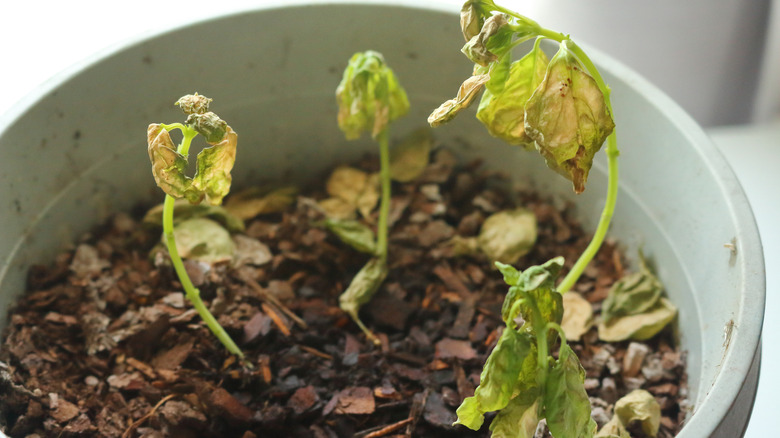
Plants ranging from huge towering maples all the way down to tiny little strawberry plants are susceptible to verticillium wilt. This is another type of fungal disease that can persist in the soil in the form of microsclerotia for over 10 years without a host. When a suitable host is planted near them, the spores germinate, get into the roots, and move into the plant's vascular system. The symptoms are very similar to fusarium wilt in that you'll see yellowing, wilting, and branch dieback that usually starts on one side of the plant or in the lower canopy.
Again, hygiene and cultural controls are the best option for verticillium wilt. You need to remove affected plants as soon as you can and dispose of them properly but do not compost them. You'll want to choose resistant replacement species. With trees, species like conifers, beech, birch, hackberry, hawthorn, and sweet gum are all resistant or immune to this particular fungal pathogen. If you are dealing with affected trees that are still reasonably vigorous and they're only lightly affected, you may be able to extend their life by providing consistent deep watering during dry spells. Just make sure you don't chip wood from infected trees for mulch, so that you don't spread the microsclerotia.
Anthracnose attacks thousands of species
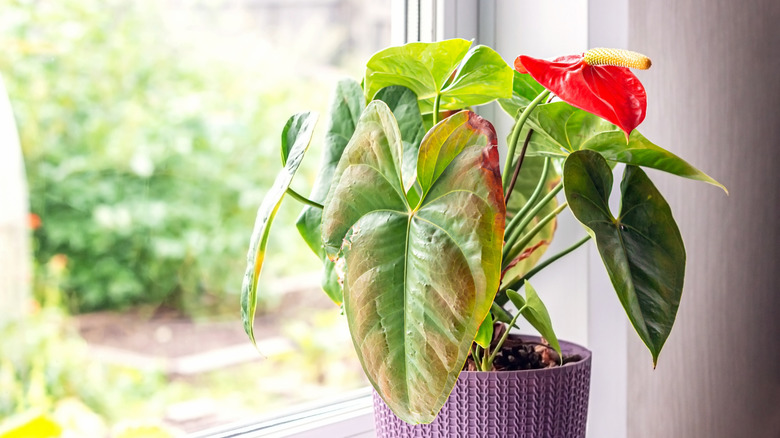
Although it sounds like a single disease, anthracnose is actually a large group of fungal diseases caused mostly by Colletotrichum fungi and a few other species. This annoyingly common disease complex affects a huge range of plants, including everything from sycamores to house plants. If your plant has dark sunken lesions on the leaves, stems, or fruit, particularly running along leaf veins, and the affected tissue turns tan, moving to dark brown or black as it ages, you've more than likely got anthracnose. In humid conditions you might also see salmon pink or orange spore masses forming inside those lesions as the disease progresses.
Anthracnose spreads through splashing water, so again, it's advisable to water from the bottom with drip irrigation or a soaker hose to stop water droplets hitting the soil, picking up the anthracnose, and bouncing back onto the leaves and infecting the plant. If you suspect anthracnose and catch it early, you can remove infected foliage and fruits and for trees and shrubs you can prune out infected limbs. With vegetable crops and ornamentals, you'll need to rotate them away from those beds infected with anthracnose and plant something resistant or immune. Some growers who've got valuable fruit trees with a history of severe anthracnose use a fungicide (the correct one depends the type of anthracnose) at bud break to try and prevent further infection.
Bacterial leaf spot spreads between leaf veins
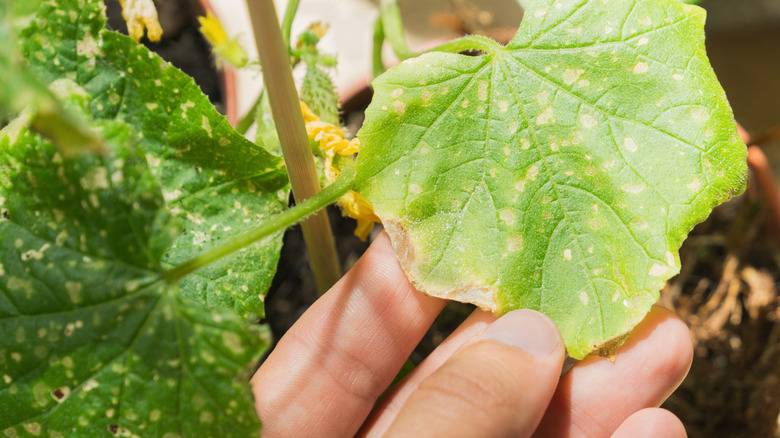
Bacterial leaf spot is one of the most common diseases of both ornamentals and edibles. It's often confused with fungal leaf spots. With bacterial leaf spot, the lesions are typically angular instead of round because the bacteria spread between leaf veins and are physically constrained by those veins. Lesions appear spongy and water-soaked in the early stages of the disease and then they turn dark brown to black as the tissue dies off. You'll also often see a yellow halo at the outer margins of bacterial leaf spot infections.
This bacterial plant disease spreads very easily on tools, stakes, your gloves, and your boots so good garden hygiene is really important. I use 70% rubbing alcohol to wipe down my tools if I suspect I'm dealing with this particular pathogen. Some growers choose to use copper-based bactericides as a preventative at the start of the growing season after heavy periods of rain. While this can reduce the spread, it won't cure already infected tissue. There's no cure for this infection. You'll need to remove and dispose of affected leaves and clear any debris from around the plants to stop the bacterial load from overwintering and surviving through to the following year.
Bacterial wilt is spread by cucumber beetles
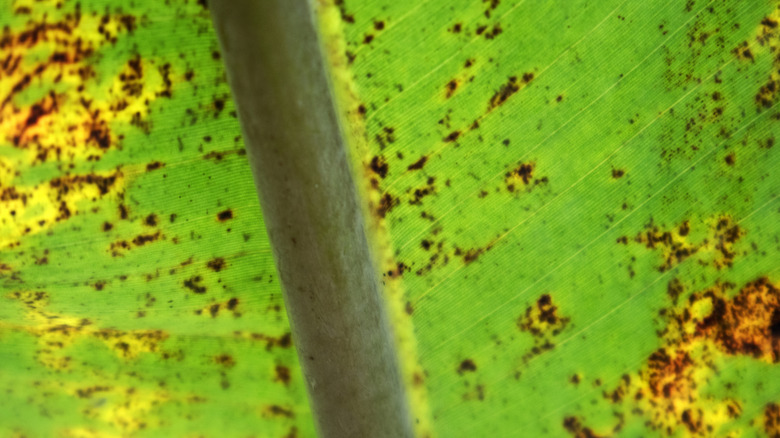
More properly known as cucumber bacterial wilt, this curcubit-specific disease is spread by cucumber beetles. It attacks members of the cucurbit family, which are cucumbers, melons, squashes, and gourds. The bacterium responsible is Erwinia tracheiphila, and it lives in the digestive tract of both spotted and striped cucumber beetles. The beetles deposit it onto the plants as they feed. The bacteria move inside the plant and then multiply in the xylem and plug the vascular system of the plants with slime.
You will notice a sudden wilting of just one or two vines at first and then the whole plant as the disease intensifies. You can identify whether bacterial wilt is the culprit by cutting a wilted stem near its base. Then, you press the two ends together and slowly pull them apart. If there are thin sticky threads stretching between the two halves, you've got bacterial wilt. There is no chemical control for an already infected plant. All you can do is remove it immediately to stop it acting as an attractant for more cucumber beetles that would in turn infect more of your plants. The only real control is to keep cucumber beetles out of your garden. You can install floating row covers and use companion planting to ward off pests. You can also grow resistant cultivars, like 'County Fair F1' cucumbers.