

15 Mistakes To Avoid If You Want To Attract More Butterflies To Your Yard
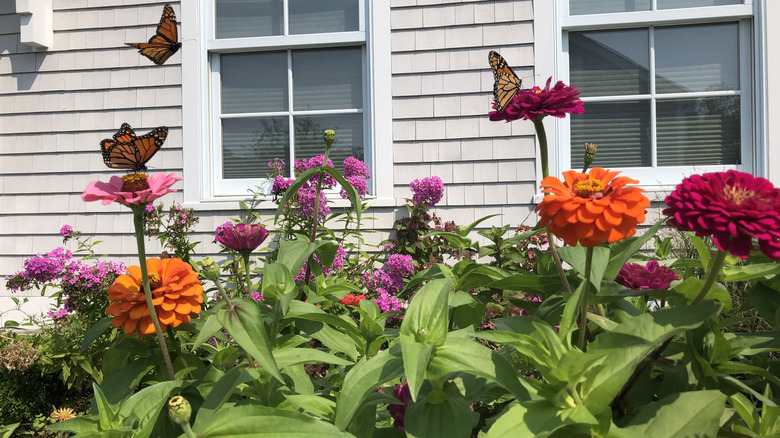
There's something truly magical, and almost healing, about butterflies. As they flutter about with the breeze, with their wings reflecting the light, dip their heads into flowers for nectar, or settle in a muddy spot basking in the sun, they're a bewitching sight. With their pollen-moving etiquette, they turn barren landscapes into flowerful displays, which, in turn, lures in other beautiful pollinators, such as moths, bumblebees, hummingbirds, and songbirds.
But to actively encourage even more butterflies to visit and stay over in your yard (rather than relying on chance winds to bring them in), there are some missteps to avoid. Different butterfly species have co-evolved with their own set of host plants and have specific needs, which change over their lifetime. A butterfly was once an egg, a caterpillar, and a chrysalis before turning into a winged adult who mates and lays her own set of eggs. So, if you aren't planting a diverse variety of nectar-rich flowers and host plants to cater to these precise requirements throughout their lifecycle, you'll miss out on lots of mesmerizing action. Of course, make sure you're planting for butterflies whose range overlaps with your area, or your efforts will be for naught. Aside from that, if you don't take good care of your plants, spray pesticides in your garden, or haven't made provisions for water or shade, you may struggle to attract butterflies to your garden.
Spraying pesticides in your yard
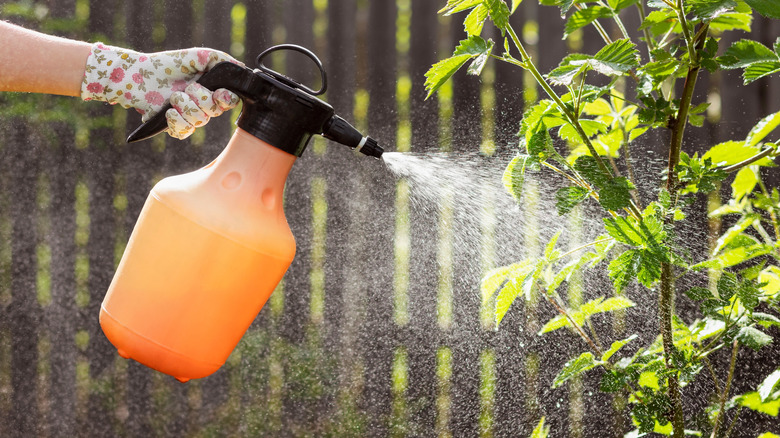
Many homeowners resort to chemicals to keep pests in check. Unfortunately, this also keeps butterflies at bay. Liberal use of herbicides, including organic options like Bacillus thuringiensis (Bt), horticultural oils, sprays, and soaps, can harm caterpillars on their favorite host plants. Worse, caterpillars can die if they're directly sprayed or after consuming chemically-treated foliage. In general, butterflies at every stage of their life cycle are highly vulnerable to chemical exposure. Indeed, there are recorded instances where monarch butterflies have died en masse — painfully — after exposure to a plethora of pyrethroid-containing insecticides and fungicides. Another downside to spraying pesticides is that it also kills other beneficial insects and harms the overall ecosystem.
Ideally, if the pest population is small, the best course of action is to let them be. Odds are your yard will end up attracting the good bugs who will turn them into tasty meals, while butterflies will feel comfortable visiting and ovipositing (laying eggs) in your yard. This will also help offset the decline in the population of butterflies. But where chemicals are necessary, stick to spot treating the damaged plant when its flowers aren't open, or you may accidentally poison the butterflies. Moreover, try to keep spills to a minimum to avoid harming any caterpillars if they're around. Also, before buying butterfly-friendly plants from a nursery, check to ensure that they were not treated with pesticides.
Neglecting host plants for nectar-rich flowers
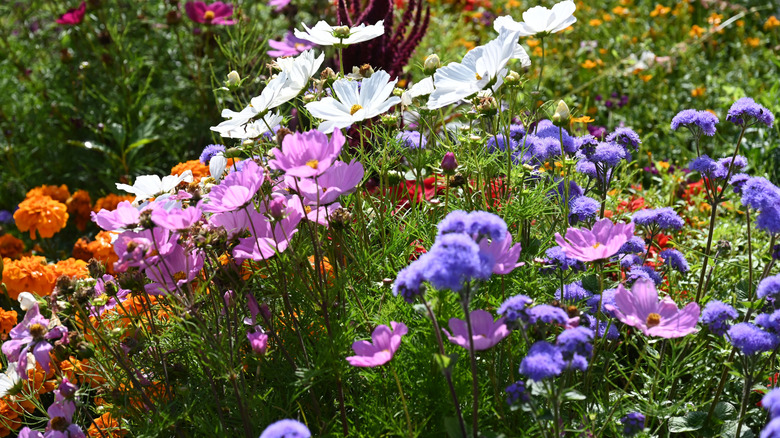
When growing plants to fill your garden with a variety of butterflies, many resort to nectar-rich, heavily fragrant flowers. While they certainly are excellent and are much sought-after among adult butterflies, they do not serve reproducing mothers. Most butterflies frequent and stick close to areas where their offspring can feed heartily. So, they visit gardens with "host plants." Caterpillars of every species are specialist eaters who munch on the foliage of a specific group of plants that "host" them. For instance, monarchs rely on milkweed while swallowtails desire certain herbs like beebalm. Host plants also serve as shelter and offer chemicals that caterpillars use for protection and concealment. They may double as mating sites, too.
So, to attract more butterflies to your garden, grow host plants along with nectar-rich flowers. When possible, grow at least three different varieties of host plants in groups of three (or more) to encourage butterflies to keep returning to your garden to lay more eggs. Unless you have a sprawling yard, you may have to prioritize which butterflies to feed. Consult your local butterfly societies to learn whether there are any endangered or threatened species in your area. Also know that caterpillars can reduce host plants to tatters. So, if that bothers you, plant them in a secluded section, away from ornamental landscapes.
Not diversifying your plantings for size, color, and shape
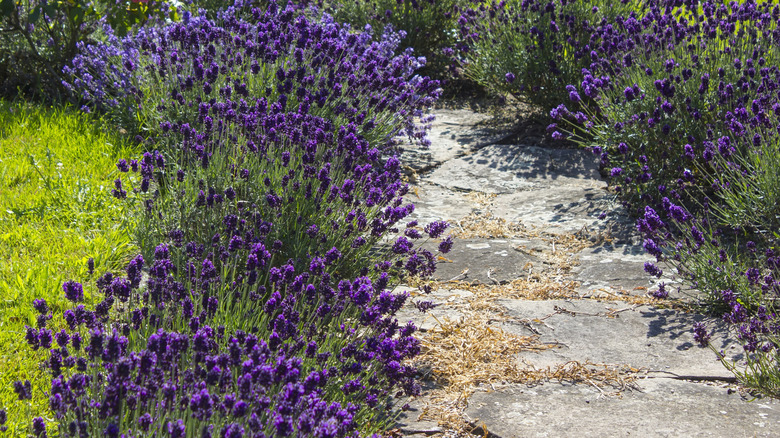
Although there's no arguing that many adult butterflies seek brightly-colored flowers rich in nectar, it turns out, not every flower works for them. Butterflies differ in their size and habits. Because of that, small butterflies naturally gravitate to smaller flowers or those with small nectar tubes into which their proboscis can fit. In contrast, large butterflies opt for blooms that can better accommodate their size. Some butterflies also tend to hover and flit between different flowers to get short sips, while others seek flat flowers upon which they can land and drink nectar in peace. They also exhibit differing color preferences. For instance, a large marble butterfly seeks yellow or white blooms, while a painted lady skips over white for purple flowers.
Unless you're targeting specific species, the simpler solution to bringing in more butterflies is to grow a mix of plants. Some of the colors you should add to your garden to attract beautiful butterflies include purple, yellow, pink, orange, white, and red. Grow "disk" plants (a.k.a. those producing dense, multiple flower clusters), such as daisies and asters, as well as large, singular ones, like rudbeckia and sage. Some butterflies prefer long-tubed blooms that also feed hummingbirds, allowing you to attract two types of pollinators with one flower.
Passing over shade-loving plants
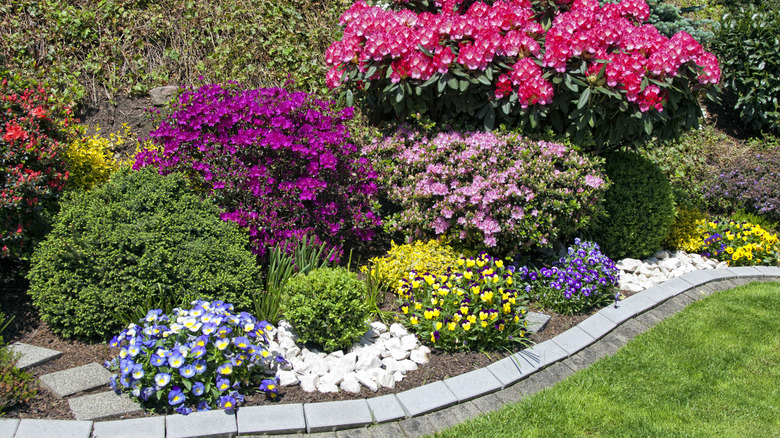
If you've followed the adage "right plant, right location" for butterfly-friendly plantings, it's highly likely you may have grown them in a full-sun site — for good reason. Adult butterflies use the sun's rays to reorient their flight and regulate body temperatures and also prefer feeding in brightly-lit areas. However, gearing your entire pollinator garden around full sun, without creating any shaded habitat, may be a missed opportunity in some regions.
Some forest butterflies, like dusky azure, or subspecies of swallowtails, visit plants growing in partial shade. Similarly, certain butterfly larvae prefer feeding in shade. For instance, wild columbine exclusively hosts the caterpillars of the columbine duskywing. In areas where temperatures rise above 90 degrees Fahrenheit, butterflies move to shaded locations. Otherwise, they may grow stressed and dehydrated from the heat. Such exposure may impair their reproductive abilities, proboscis development, migration patterns, and shorten their lifespan. So, if your yard borders a forested land, has dappled shade, or is a woodlot, consider shade-loving plantings, too. Sweet alyssum, dill, asters, and globe amaranth are some examples.
Failing to provide wind protection to these delicate creatures
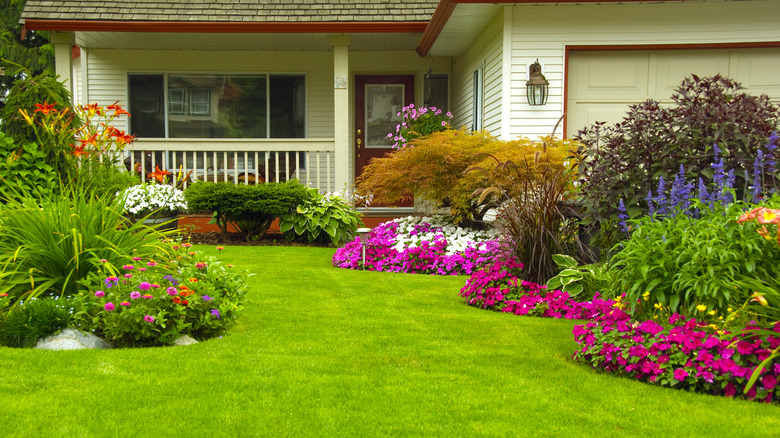
You could do everything right by providing butterflies with a sunny patch of nectar-rich and larvae-friendly plants. Yet, your yard may not gain much traction with these colorful visitors if there are no sheltered spots. Butterflies have thin wings and perform poorly in an exposed location. Not to mention, keeping afloat and feeding in such conditions expends more energy.
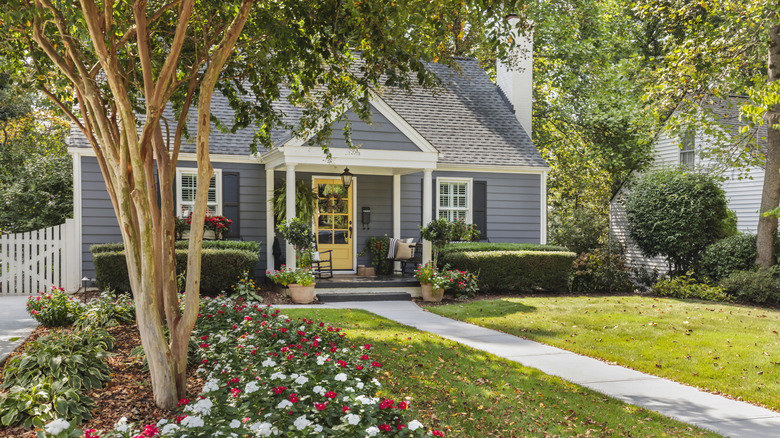
As a result, butterflies look for places that are sheltered from the wind. Consider planting large shrubs, dense trees, or conifers as windbreaks. Or, erect a rocky fence or woody trellis, atop which you can train climbing plants, which will turn your backyard into a butterfly haven. Native blackberry vines are prime examples, as they provide shelter, habitat, and food. They may also use these spots to hide from their predators.
Planting in scattered patches
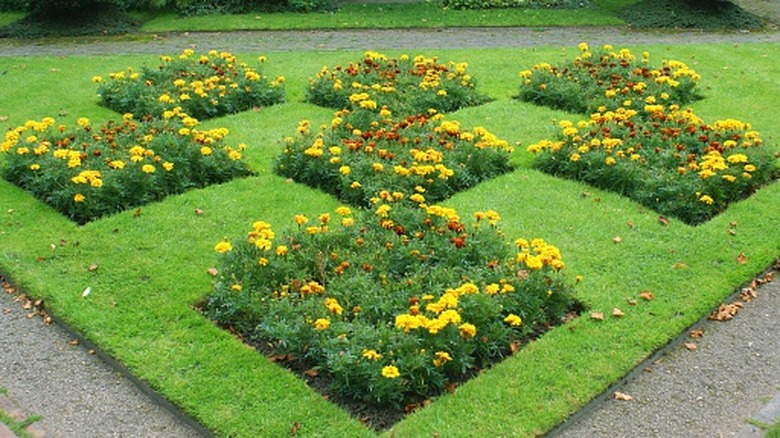
Butterflies don't have the best eyesight. This explains why if you plant their favorite flowers and herbs in short, scattered patches, they seem to skip over your yard because they can't locate them from a distance.
So, to bring them to your garden, plant their favorites in drifts or blocks. More specifically, make sure the plantings are at least 2 to 3 feet wide, so that butterflies can easily discover them. If the design feels too uniform, play with height. But ensure tall plantings don't overshadow their shorter counterparts. One way to go about this is to populate the perimeter with shorter plants that will instantly grab the attention of these winged visitors and pop taller plants in the center. However, host plants may be planted in an out-of-sight corner, as caterpillars often chew through the entire plant, and this won't exactly enhance your yard's curb appeal.
Selecting non-native, invasive plantings
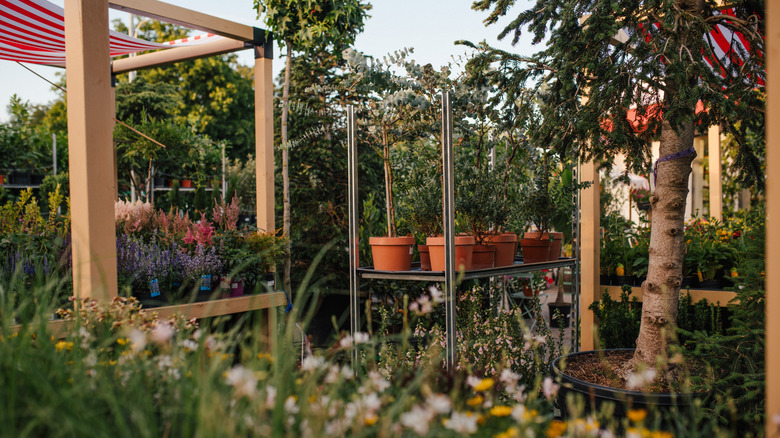
Don't we all want hardy ornamental plants that withstand disease and pest pressure, provide vigorous growth, and require little maintenance? Unfortunately, many of them are often non-native and invasive. Even if they support hungry adults (because they're generalist eaters), they may not cater to caterpillars. The outcome of that is fewer generations of butterflies, and eventually, fewer visitors to your yard. Take the butterfly bush, for instance. Butterflies gladly feed on its nectar, but their caterpillars can't survive on their foliage, so they won't lay eggs on these plants . As these shrubs become increasingly invasive, they also outcompete native host plants in the wild. That's the bitter truth about growing butterfly bushes. Similarly, many monarchs mistake swallow-wort vines for native milkweeds and lay their eggs. Sadly, their larvae eventually starve to death, reducing the overall population.
For this reason, rather than non-native invasives, grow plants native to your area, instead. The National Wildlife Federation has a beautiful plant finder tool you may use for help. Otherwise, you can consult a local nursery dealing in native plants. For example, instead of non-native thistles that become weedy in the garden, choose their native counterparts like cobweb thistle to attract these winged creatures. Local butterflies have formed solid bonds with specific plant groups. And this familiarity and co-evolution means that there's a strong chance they'll stop over in your yard for them. Besides, they can easily handle local conditions, even as they continue to evolve.
Planting 'double form' hybrids
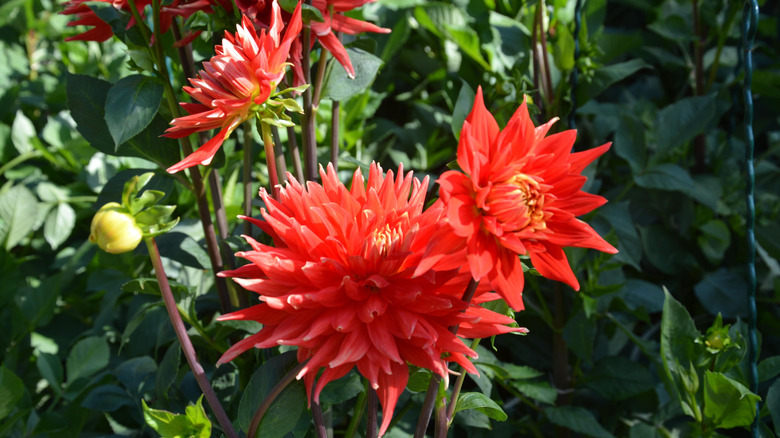
First things first, apart from standard specimens that grow naturally in the wild, you may find cultivars and hybrids at your local garden center or nursery. Cultivars are bred for a suitable trait (like disease resistance or improved flowering), and are typically labeled in single quotes. In contrast, hybrids represent cross-breeding between two different cultivars, and include an 'X' in their scientific name. They may also be a result of cross-fertilization between two unique species.
Since plant breeders aim to produce flowers that will appeal most to gardeners, traits like nectar production are relegated to the background. Its worst effects appear in "double form" flowers. To accommodate multiple rows of petals, stamens are masked or eliminated, leaving little to no pollen or nectar for butterflies. You'll see this often in hybrid petunias and dahlias. Moreover, hybrids and highly-developed cultivars bred to produce red, blue, or purple leaves may be unhealthy for caterpillars. Some of the chemicals in their foliage can be toxic to butterfly larvae. No surprise, then, that they would spend their time in other yards. To reverse their tracks, include old-fashioned varieties, or in the case of cultivars, ensure they're marked for rich nectar and pollinator friendliness, like 'Early Sunrise' coreopsis.
Ignoring bloom succession
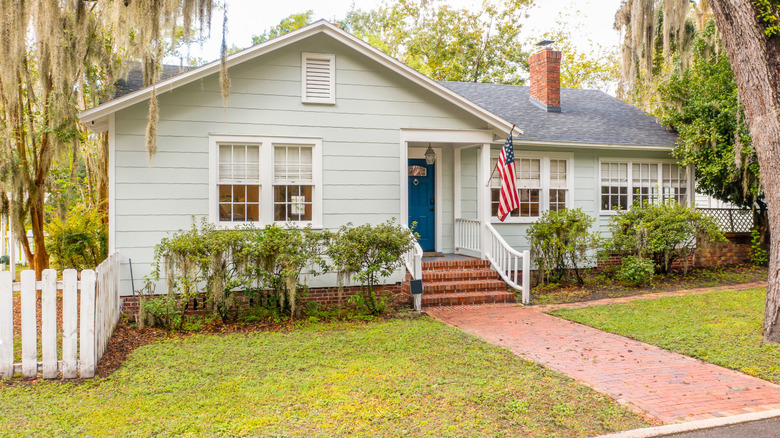
Another mistake many gardeners make when establishing a butterfly-friendly habitat is not accounting for bloom succession. To ensure a steady stream of butterflies, you must provide them with nectar throughout their active season. Depending on the area, it may run from spring through late fall, and may be especially focused in the summer, when many plants decline or grow dormant from the heat.
The easiest way to go about this is to plant annuals and wildflowers with a long blooming season. However, unless they're self-seeding, replacing them each year can get expensive. Another option is to use annuals to fill in seasonal gaps in perennial beds. For instance, you can populate butterfly patches with perennially growing butterfly weed, coneflowers, phlox, and blazing star (based on your USDA zone), and complement them with annuals like blanket flower, zinnias, alyssum, verbena, and lantanas. You can, in addition, grow flowering host plants like partridge pea so your garden doesn't look bare. Ultimately, plan your garden so that it's continually in bloom.
Not deadheading spent blooms
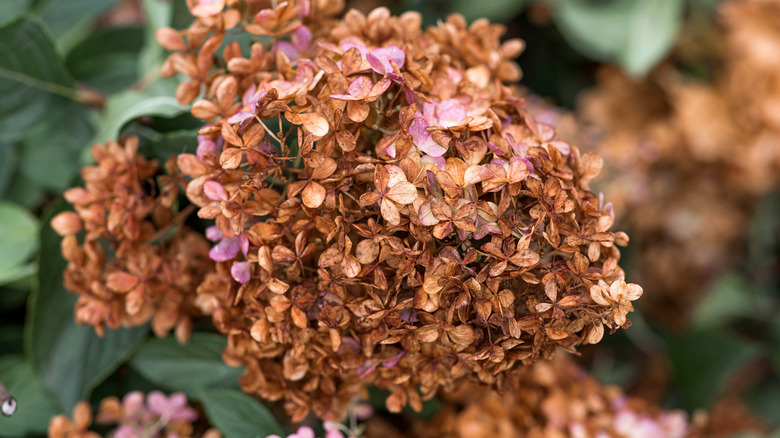
Growing flowers with a long blooming season alone doesn't guarantee continual blooms. Most plants move their resources into seed production after they're done flowering to secure their legacy or to conserve resources for overwintering, if they're perennials. Without a steady display of flowers, you can't attract many enchanting butterflies.
So, deadhead your plants throughout the growing season for a non-stop display. When a flower drops its petals or starts to look sad, remove it right above the healthiest pair of leaves. This will trick the plants into reblooming, lengthening their display, or hasten the next flower flush. Depending on the plant stem, you can either pinch off the dead flower or cut it with shears. In some cases, you may have to trim off ⅓ of the total growth to encourage a new flower wave. The few exceptions to this rule are perennials that flower only once in the season and some 'self-cleaning' hybrid annuals that don't go to seed. You may also want to stop deadheading at the end of the growing season because many birds rely on seeds to tide them through cold months, especially from rudbeckias and coneflowers. This also enables self-seeding, ensuring a reliable comeback next year.
Keeping your yard too tidy
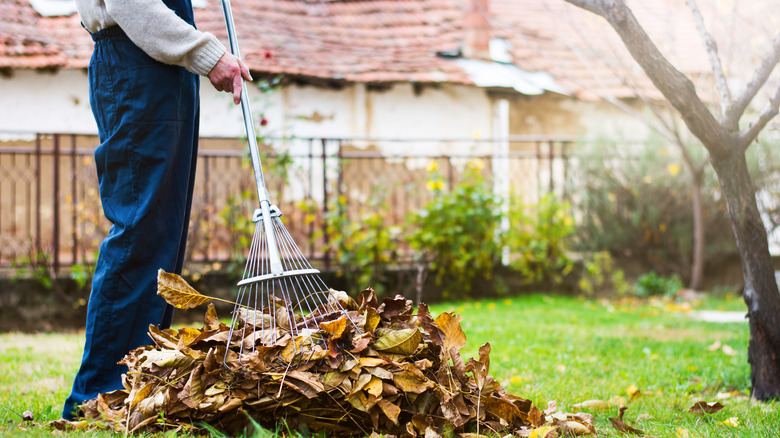
If you keep a formal landscape that looks prim and proper year-round, you may be putting some butterfly species off. Some butterflies prefer weedy flowers, such as milkweed, dandelions, goldenrods, nettles, and thistles. So, creating a wild patch in a corner of your property — provided they aren't considered noxious or invasive in your area — can help attract plenty more butterflies. Leaving a part of your yard unmowed also helps. In case the HOA or neighbors give you trouble, edge the patch with a mowed strip and install a sign explaining your reasons.
Untidy sectors are particularly important during autumn. Although fall cleanup is necessary to eradicate overwintering pests and disease-causing microbes, you may end up losing overwintering butterflies too. Some of them, like tiger swallowtails, overwinter as chrysalis, while others, like banded hairstreaks and fritillaries, overwinter as eggs and caterpillars, respectively, in dead twigs, brush piles, thickets, and wood logs. Waiting until spring to clean up means you can enjoy an early wave of butterflies before they move out or migrate.
Not layering your plantings
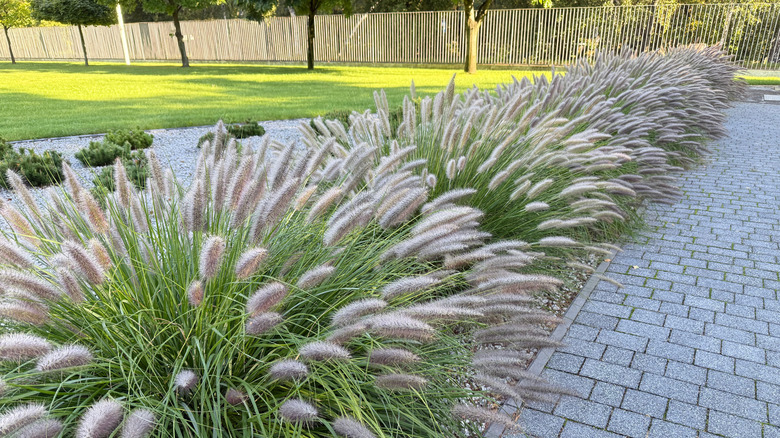
Don't limit yourself to flowering perennials and annuals. Layering in tall grasses, sedges, shrubs, herbs, forbs, and trees helps create diverse microclimates that can support a variety of butterflies, drawing in more of them. To put this into perspective, mourning cloaks feed on sap dripping from oak trees, while caterpillars of wood nymph or woodland skippers feed in grassy vegetation.
On rainy, cold, or windy days, or while escaping predators, butterflies seek cover underneath leaves of vines, shrubs, and trees. You may also find them in various stages of their life cycle in tree bark or woodpiles while overwintering. Given these reasons, intersperse various plantings of different heights, textures, and forms to enhance your yard's appeal to butterflies. But make sure your site matches their growth requirements.
Skipping puddling areas
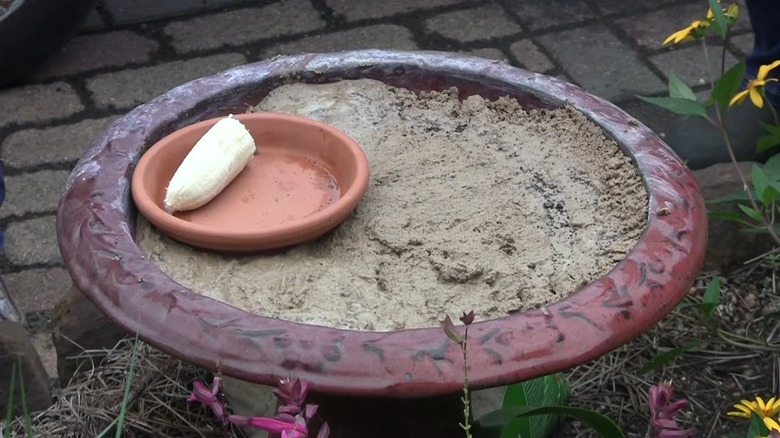
Butterflies exhibit a distinct phenomenon, "puddling." Therein, they congregate around a shallow, muddy spot to hydrate and extract essential salts and minerals. As it's understood, males offer these salts to females for reproductive success, though such gatherings are common outside of the mating season too. So, if you haven't been leaving out puddling areas in your yard, you're probably missing out on group sightings.
Creating a puddling zone is a breeze if you already have a wet or flooded spot in your yard. Excavate soil for a 3-inch deep and 2-inch wide shallow sink and allow water to collect. Do be careful about mosquitoes turning it into their egg-laying site, as they seek standing water. Alternatively, place a shallow, terracotta pot in a sunny, sheltered area, near nectar-rich flowers, or around the margin of your backyard pond. Top up sand to the brim, wet it, and keep it moist throughout. Elevate it to the level of a birdbath if pets are present. Truly, this tiny garden feature has a big butterfly payoff.
Not leaving out rocks

Haven't got any rocks in your yard? You're missing out on the euphoric sight of watching butterflies sunbathe! After they're tired of feeding or flying, butterflies take a break by stretching their wings open and "basking" in the sun. They also undertake this activity to regulate body temperatures, which should be between 85 and 100 degrees Fahrenheit, if they're to fly or migrate successfully.
So, do these dainty fliers a favor and leave a few large rocks in a sunny area (or in a bird bath), where they may soak in the sun. Pick the rocks in dark colors, as they're more heat-absorbent. This is also a good time to get working on a gravel walkway, because it too can double as a basking site, bringing in additional butterflies.
Not offering rotten fruit
Not all butterflies feed on flower nectar; some, including mourning cloak, Lorquin's admiral, satyr comma, tortoiseshells, and angelwings, have a penchant for juices from rotting fruit. So, if you haven't thrown your overripe fruit out, use it to attract non-nectar and shy butterfly species for more fun times.
Keep overripe, fleshy fruits like bananas, peaches, or apples in areas butterflies frequent or in puddling pots. You can also suspend fruits from the branches of their go-to trees, such as willows. However, be mindful, as this may also attract yellowjackets. It may also make your backyard birds very drunk. That's because fermented fruit contains alcohol, and it may jeopardize their life functions, sometimes leading to window collisions. In large amounts, birds may die from alcohol poisoning. So, keep your fruit supplies limited. Another option is "sugaring." If you've got beer that's gone stale, add in mashed, rotting fruit, and let the mixture sit in the sun for a bit. Later, spread it over a tree's bark to attract additional butterflies.