

What To Do About Pavement Ants Taking Over Your Concrete Patio
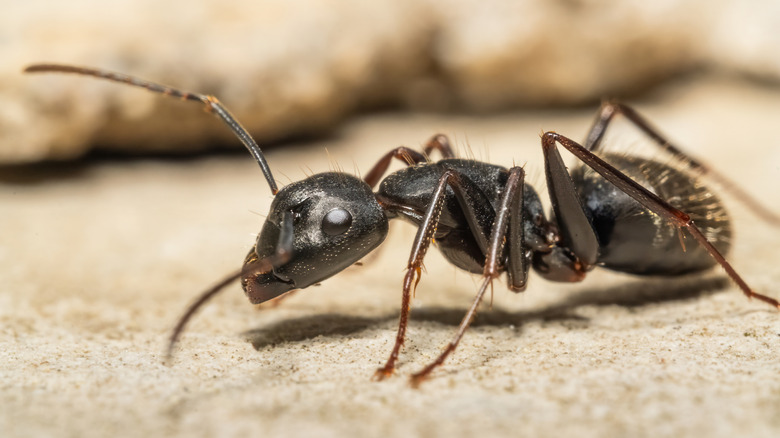
While ants can be annoying, you may not be too concerned about some on the concrete patio, especially considering that pavement ants rarely bite. However, ant colonies can grow quite large, and putting off dealing with the problem can lead to a huge infestation. If you are wondering what to do about pavement ants taking over the patio, you will need to inspect your property for nesting sites, foraging trails, and remove conditions that may be contributing to the problem.
Determining what kind of ant is plaguing your home is an essential first step. Pavement ants are small ants — about ⅛ inch long — and can be reddish brown, black, or dark brown in color. They can often be found crawling along cracks in concrete on sidewalks, patios, driveways, and near home foundations. Their colonies can grow quite large and contain between 3,000 and 10,000 ants.
Although pavement ants won't cause structural damage and are a nuisance outside, they can cause bigger problems if the colonies are allowed to continue growing. The ants can get inside through small cracks in the foundation and build nests inside wall voids and under floors. Once inside, they will go in search of food, often ending up in the kitchen and around the garbage. If you want to identify and get rid of pavement ants, start with a thorough inspection of your property.
Inspecting your property for pavement ants
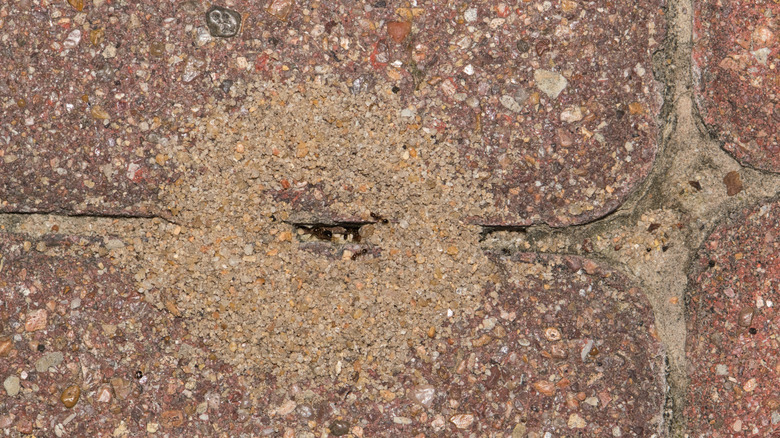
Inspections should include searching for nesting sites, following foraging trails, and finding and removing conditions that may be contributing to the problem. Pavement ants often build their nests in the soil under cracks in pavement or concrete patios. You may notice a little mound of dirt on or near the concrete leading to the nest. Other popular nesting spots include under bricks, stones, logs, and mulch in landscape beds.
Pavement ants can often be found walking in a long line around the edge of pavement or concrete patios. Ants use foraging trails to bring food back to the nest. Ant foraging trails generally follow along edges of patios, foundations, walls, or branches. You may have to pull up a bit of mulch or grass along the edge of your concrete patio to locate the foraging trail. Following this trail can lead you to nesting sites.
Once you have located the nesting sites and foraging trails, you can try some of the best ways to get rid of ants. A good place to start is by removing the contributing conditions that are providing food sources and habitat for the insects. In addition to removing and treating potential nesting sites, it's important to remove sources of food and water. This includes reducing moisture sources and cleaning up crumbs, spills, and garbage. You may also want to consider using an insecticide to reduce aphids and soft scales, which are pavement ants' favorite foods.