

Not Tile Or Carpet — The Resilient Flooring Everyone Was Using In The '60s
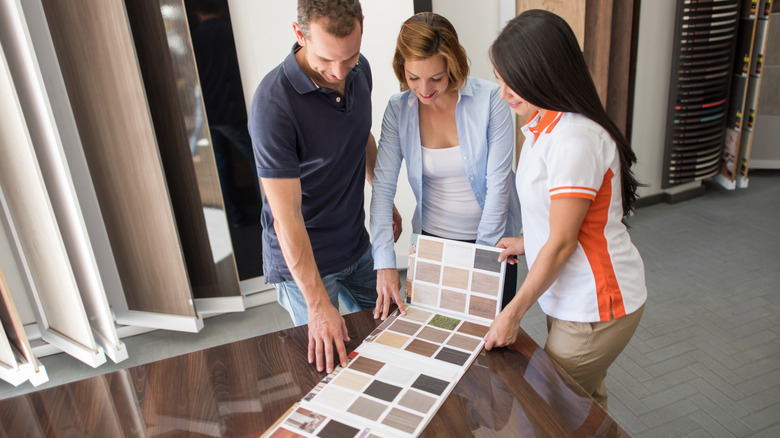
One of the most important (and often challenging) parts of designing a home is ranking the best flooring options. You want your floors to not only complement the interior decor but also be easy to install and maintain. Plus, each room in your home serves a different — and typically quite specific — purpose. Some flooring materials work well in certain rooms and perform poorly in others. For many homeowners in the 1960s, though, sheet flooring was the obvious choice. This resilient flooring material addressed many of the same concerns we have today. Why not take inspiration from mid-century design for a contemporary interior? With a few modern upgrades, this flooring solution could work well in your home.
Sheet flooring isn't a single type of flooring, but rather a classification of durable flooring materials that are typically created and installed in 12-foot-wide rolls. There are various types of sheet flooring — vinyl, linoleum, and rubber, for example — in an array of colors, patterns, and textures. The materials are typically low-maintenance and a breeze to clean. This mattered to 1960s homeowners just as it matters to us today, especially in bathrooms and kitchens, or other high-traffic areas of the home. Vinyl sheet flooring, made mostly of polyvinyl chloride (PVC) resin, was particularly popular with mid-20th century homeowners wanting to give their kitchens a gorgeous upgrade with a budget-friendly flooring option. The material was praised for its water-resistance and aesthetics.
How to style sheet flooring in modern homes
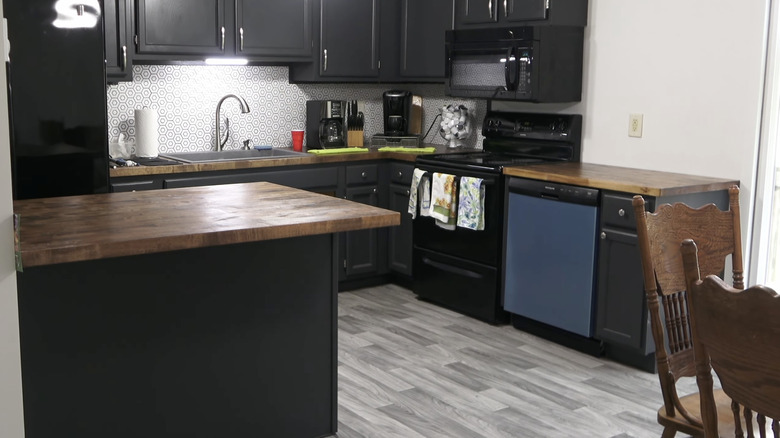
One of the best things about sheet flooring is that it comes in many styles, patterns, and colors. Some designs even mimic the look of stone, wood, and other natural materials. Which type of sheet flooring should you choose? Sheet flooring is still readily available today, with vinyl being the most popular option. Luxury vinyl sheet (LVS), in particular, is known for its highly realistic wood grains and stone finishes. On the other hand, it's worth noting that vinyl sheet flooring is susceptible to discoloration and it can often be hard to repair scuffs or other damage to the floor. Still, you can rely on vinyl sheet flooring to be durable, water-resistant, and a perfect addition to your kitchen, bathroom, or laundry room.
Styling-wise, consider the atmosphere of the room when choosing the right type of sheet flooring. The most popular interior decorating styles have specific and often unique aesthetics. Think about what kind of patterns complement your interior design vibe and your existing color scheme. Linoleum-style vinyl sheet or luxury vinyl sheet flooring that looks like stone can instantly give a tired bathroom a fresh and sophisticated update — think a soft, classic, spa-inspired bathroom. For a natural, rustic, lived-in feel in a kitchen, consider installing faux parquet sheet flooring. Or switch the parquet out for marble-look luxury vinyl sheet to imbue your cooking space with a more refined aesthetic.