

The Best Way To Repel Yellow-Legged Hornets From Your Garden
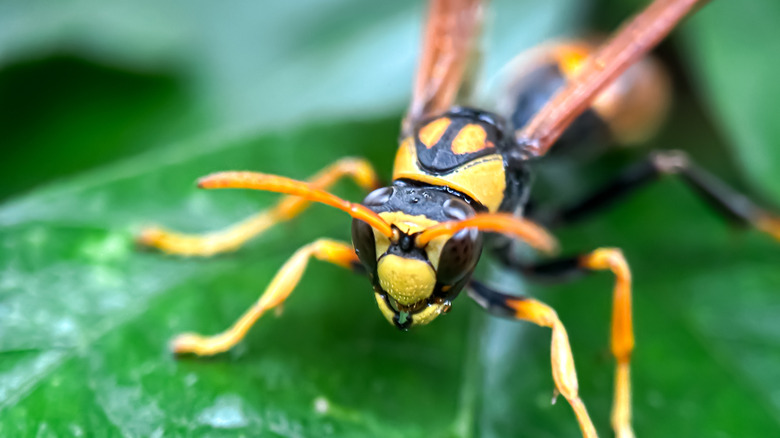
Hornets are the last visitors you want to see zipping around while you're lounging on your patio or working in the garden. It's certainly even less favorable for you or your loved ones to get stung. Unfortunately, more and more cases of yellow-legged hornets are being reported around the United States every year. This species is especially aggressive, fiercely protecting their colony. If you're unlucky enough to have a nest in your yard, your risk of getting stung increases. And worst of all? These insects aren't even supposed to be here, as they're actually native to Southeast Asia.
"Yellow-legged hornets are an invasive species, so first and foremost homeowners need to call the state agriculture department if they think they see this species on their property," Patricia Hottel, Orkin entomologist, shared with House Digest in an exclusive interview, "This is an important step as it helps eliminate and control populations that put other insect species at risk."
Yellow-legged hornets look similar to a range of domestic species. Identify them by their solid black head and thorax, black and yellow banded abdomen, and black legs ending in yellow tips. They're about ⅗ to 1 ¼ inch long. This species can be very aggressive when you disturb their nest and are capable of stinging multiple times. Along with having an intensely painful sting, this invasive insect also threatens pollinators. The larger the colony grows, the more hostile they can be when protecting their home. This is especially problematic if you have a nest near high-traffic areas in your yard or near your home. Hottel helped us understand everything you need to know about what draws the yellow-legged hornet in and how to get rid of these pesky hornets.
What can attract yellow-legged hornets to your garden?
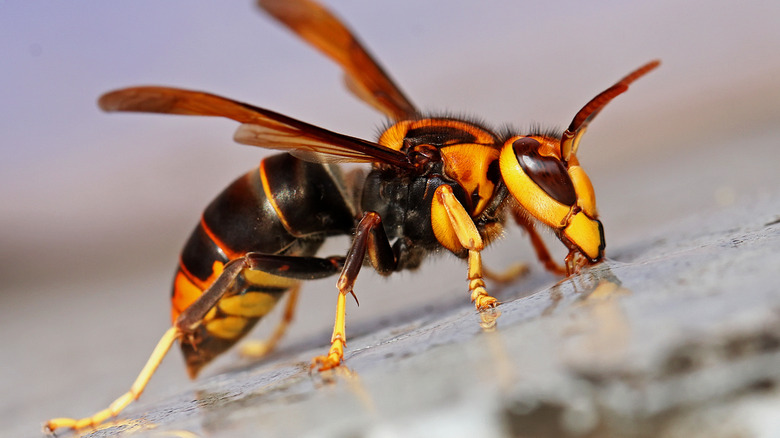
"Yellow-legged hornets are attracted to yards with adequate habitats and plentiful food and water. That's why, in addition to calling the state agricultural department, Orkin recommends homeowners focus on making their yards less enticing to these insects," Hottel shared with House Digest in an exclusive interview. She went on to specify that overripe or fallen fruit as well as exposed compost or food waste can draw these hornets in. Flowering plants can also attract the yellow-legged hornet since they hunt the insects that feed on them.
Mitigating these pests requires understanding their typical habits, too. Like humans, this insect tends to be most active during the daytime. You're most likely to see them mid-day at the height of summer. You can also anticipate the movements of yellow-legged hornets based on the seasons. Hottel shared that you will typically see the first signs of this species in early spring. As temperatures rise, their activity will increase steadily, peaking around mid-to-late summer. This is when colonies are at their largest, housing thousands of workers. As fall comes around, the workers will begin to die while hundreds of new queens will scatter and find shelter to hunker down until warmer weather.
How can you repel invasive yellow-legged hornets?
Hottel exclusively shared with House Digest that spring is a great time to get ahead of an unwanted yellow-legged hornet invasion. "Queens typically emerge and begin building their nests in early spring," she said. "Taking preventive steps at this stage helps colonies stay contained, as they can become more aggressive as they grow bigger throughout the summer."
Start by eliminating their food sources. Keep your outdoor trash sealed, avoid leaving out sugary drinks, and don't leave food exposed. Be sure to rinse your recyclables before you throw them in outdoor bins, and clean your outdoor eating areas thoroughly after each meal. Yellow-legged hornets are also drawn in by the insects that hang out around standing water, so be cautious of bird baths and keep your gutters clear. Generally, keeping a tidy, well-maintained yard helps deter these aggressive hornets.
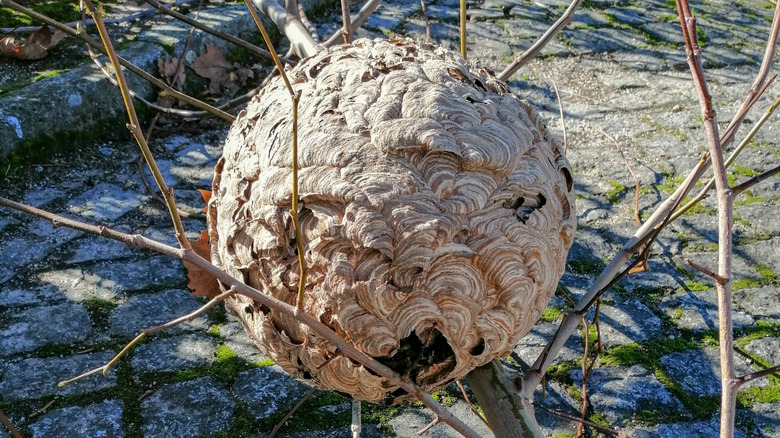
If you notice an egg-shaped paper nest on a structure or up in a tree, this might mean a yellow-legged colony has taken up residency on your property. The mere presence of a nest can increase the likelihood of getting stung. Attempting to eliminate the hornets nest yourself can increase the chance of you getting stung even more. Hottel encourages anyone who spots these invasive pests to immediately report the sighting to their state department of agriculture. They can help you safely remove the nest and prevent the damage they cause to local ecosystems.