

Why There's Simply No Need For A Robot Vacuum
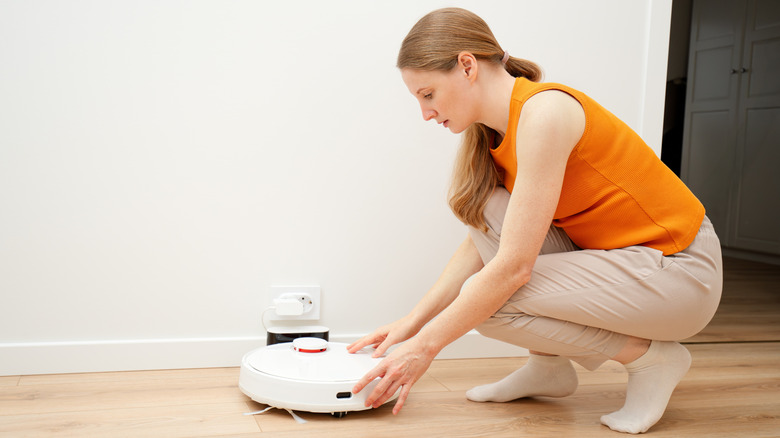
Robot vacuums are one of the more talked-about home gadgets in recent years. The appeal is quite obvious; a small device quietly roams your house, picking up dust and crumbs while you go about your day. However, there are things you should know before buying a robot vacuum. Despite the hype, they fall more into the "nice-to-have" category, rather than something households genuinely need. When you look at their real-world performance, limitations, and costs, it's clear that they're more of a convenience upgrade than a replacement for a traditional vacuum.
One of the bigger misconceptions about the robot vacuums is that they can completely take on your cleaning routine. The reality is that the right way to use a robot vacuum is for more light, frequent upkeep. They cannot handle any sort of deep cleaning. Many experts describe them as tools for daily touch-ups rather than full house cleaning sessions. A traditional upright vacuum delivers far stronger suction and airflow, which is why it's better to pull dirt out of rugs and carpets.
Testing by Christopher White of Vacuum Wars highlights the difference. The gap shows standard vacuums remove about 98% of embedded debris. The robot vacuums have only reached 75 to 80%. Even though it may seem small, there's a distinct line between the surface-level tidy and an actual clean floor.
Their limitations and lackluster payoff
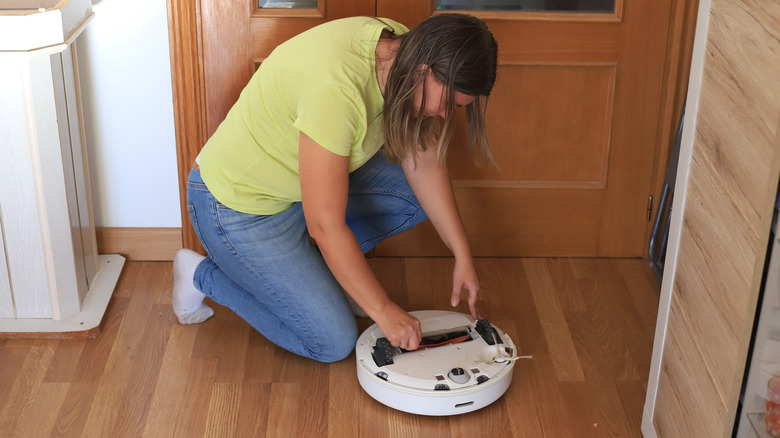
Robot vacuums are essentially floor-only devices. Anything beyond simply going across the floor will still require a manual vacuum, so they're limited in what they can clean. Areas like stairs, furniture, or your car are off limits. Standard vacuums have many attachments specific to cleaning these other areas. If you have thicker carpets or more high-traffic spots in your home, a robot vacuum will struggle with the level of dirt.
The convenience doesn't outweigh the need for you to end up doing the work anyway. If you're expecting a robot vacuum to revolutionize your cleaning routine, you'll likely be disappointed. You'll still need to do regular cleaning for everything that it doesn't pick up, so it's essentially adding another step to your routine that isn't really necessary. There's also maintenance involved such as cleaning the dustbin out, cleaning the brushes, untangling hair and having to rescue the device when it gets stuck.
Even though they are marketed as everyday essentials, their price tag tells a different story. A solid traditional vacuum can cost much less than a high-end robot model, and the traditional vacuum delivers better cleaning performance overall. This is especially true when it comes to devices with advanced technological features. Robots with advanced mapping systems or self-emptying bins can cost hundreds (or even thousands) of dollars. You could look into the highest rated budget robot vacuums to save some money, but for something that can't even replace the primary cleaning tool, it's a steep investment.