

The Tree With Pretty Yellow Flowers That Is Highly Attractive To Butterflies
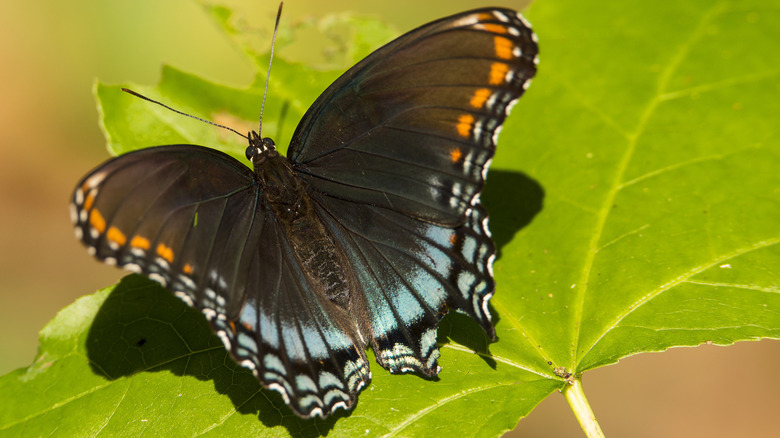
Spotting butterflies in our yards and gardens can fill us with childlike wonder. These graceful, colorful insects might also help us remember that the trees, shrubs, and perennials in our landscaping aren't just for show, they can serve important roles in feeding and sheltering pollinators and other beneficial insects. No matter your reason for hoping to attract more butterflies to your outdoor space, American linden (Tilia americana) is a shade tree you'll want to consider planting in your yard, and we bet you'll love it's pretty yellow flowers.
American linden is a large species that reaches between 50 and 130 feet tall with a spread of up to 50 feet. It's a member of the mallow family (Malvaceae) related to garden plants like hibiscus (Hibiscus spp.), okra (Abelmoschus esculentus), and hollyhocks (Alcea rosea). The tree, also known by the common names basswood, bee tree, and white wood, has an oval or pyramidal shape in the landscape, a straight trunk, and asymmetrical leaves that are oval or heart shaped with serrated edges. Pollinators are attracted by basswood's showy cream to yellow flowers that are heavily scented. American linden is native to regions of the central and eastern U.S., Canada, and Mexico, where gardeners can add it to a list of plants that will fill their gardens with a variety of butterflies.
Tips for growing American linden to attract butterflies
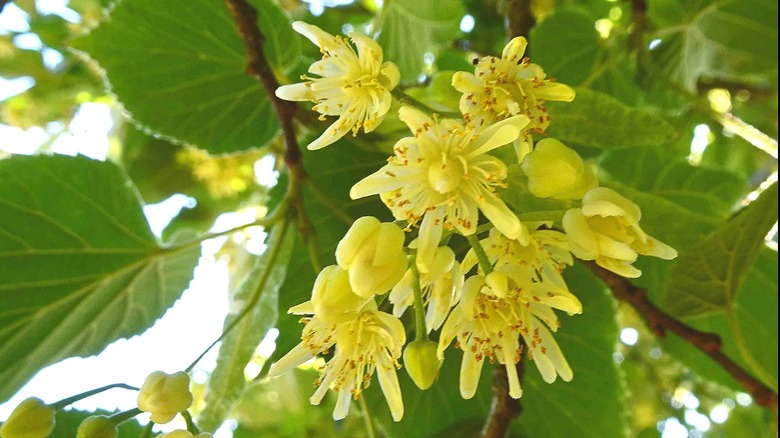
American lindens may be among the trees you should plant to help butterflies and pollinators thrive in your yard with its yellow flowers in summer — but first you'll want to check the species' growing needs and compare them to the conditions in your yard. Basswood thrives in USDA Hardiness Zones 2 to 8 in outdoor spaces where full sun or part shade is available. It's adaptable to different soil types, including clay soil, and as far as water needs go, white wood adapts to both dry and moist conditions. It's also considered drought tolerant, making it a low maintenance option for attracting beneficial insects to your garden.
When you grow this great shade tree in your yard, you'll attract beautiful, winged insects with the nectar from American linden's yellow flowers. You should, however, be aware that it's foliage feeds baby butterflies, otherwise known as caterpillars, so don't treat the larval form as pests if you want to see them flying around later. In fact, dozens of types of butterflies and moths rely on this species, including Eastern tiger swallowtails, mourning cloaks, and red-spotted purples. American linden draws in other type of beneficial insects and pollinators, too, including bees, fireflies, and birds. You may want to reimagine the way you think of butterfly gardens and pollinator gardens and find a place for a majestic basswood.