

Homeowner Makes A Big Mistake Using Concrete Planters To Boost Curb Appeal
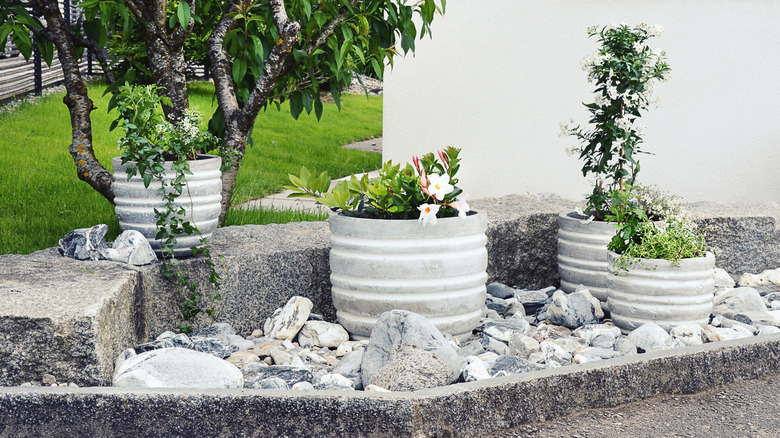
It must be terribly disheartening to build a DIY planter you're proud of, post a tutorial about it on TikTok, and then receive 600 comments, most of which tell you the way you built it is a terrible idea. That's what happened to TikTokker @spetrichhome not long ago when she posted about the planters she made from concrete cinder blocks, using her home's foundation as the back wall of the planter. You might be starting to get an idea of why commenters gave her such a hard time. Many commenters, including home builders, real estate brokers, and architects, begged her to rethink this project because of a spectrum of dangers, largely from a foundation that will constantly experience moisture as she waters her plants, but also other aspects of a planter bed too close to the house.
They raised issues about the foundation, moisture, drainage, pests (especially termites), mold, and freeze/thaw cycles; we'll explore the validity of those claims coming up. Several commenters shared their own bad experiences with similar structures. One had bought a home with a planter like this already attached, and the homeowner said they had "totally ruined the house, and mold was everywhere inside the walls of my home." A desert dweller made the point that you don't have to live in a wet climate for damage to occur, noting a $24,000 cost for structural repair "to save my house after moisture and water trapped next to the foundation walls caused my house to sink." Homeowners who built a similar project said they were "saving to get everything torn out to due to water and mold."
Cinder block planters can be flawed
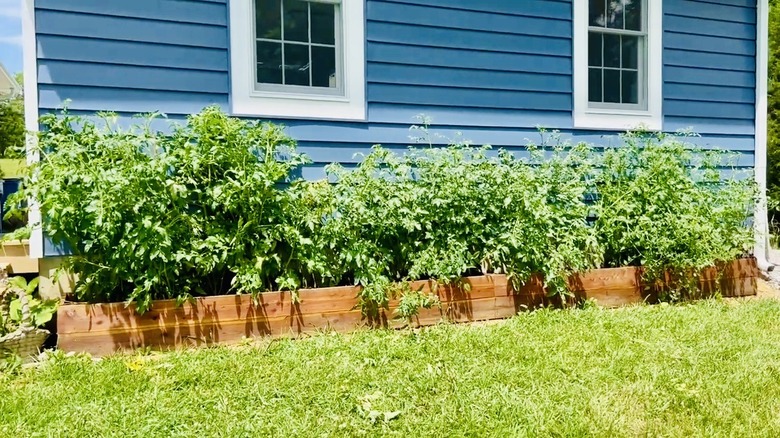
To make the planters, @spetrichhome stacked cinder blocks, joining them with mortar. From the get go, you'll discover downsides to think about when making a cinder block planter – especially their porosity. Placing wet soil directly against these already highly porous blocks dramatically accelerates the deterioration of the mortar joints and can cause the blocks themselves to become waterlogged, crack, and eventually create voids. The DIYer filled the holes in the cinder blocks with gravel and then stuck a piece of rebar in each hole, a technique commenters understandably questioned since rebar is intended to be embedded in concrete, not stuck into gravel inside concrete cinder blocks.
Commenters are justified in their advice to think twice about planting flower beds against your house. A better option would be separate structures that did not incorporate the house foundation as a wall and are up to 3 feet from the foundation. The other issue is what's missing. The planters needed to be built on a concrete footing that extends below the frost line in the TikTokker's climate to prevent freeze-thaw cycles from heaving the entire structure, cracking the blocks and the house foundation, as several commenters noted. She should have covered the cinder blocks and foundation wall with an elastomeric coating or waterproof dimpled membrane as a barrier to moisture encroachment. Weep holes should have been created to allow trapped water to escape. She needed to consider a drainage mechanism, such as a French drain to move excess water away from the house.
Keep planters away from foundation to avoid insurance, building code, and resale issues
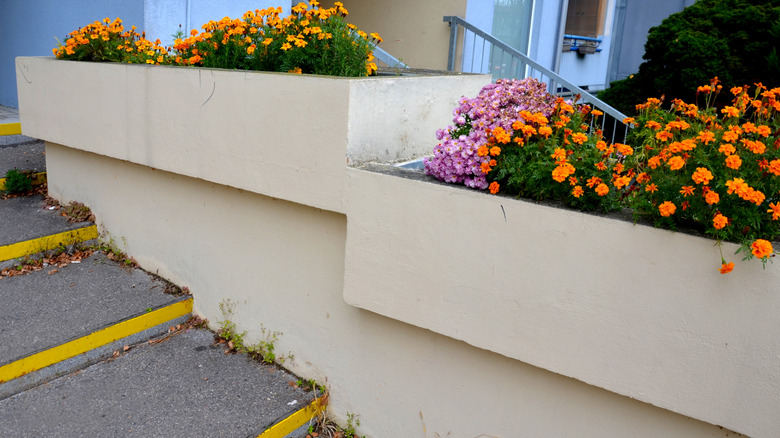
Invaders like termites and mold are as much of a concern as the commenters indicate. Termites, which seek out moistureare a problem for some of the same reasons you shouldn't spread mulch right next to your house if you don't want unwelcome guests; you're creating conditions that attract them. In planters poorly set up for drainage, mold is a significant risk. When that moisture has nowhere to go, it creates conditions that allow mold to grow.
DIYers building planters against the foundation could face issues with homeowners' insurance, building codes, home warranties, and prospective future buyers, commenters noted. They're right about all of these concerns except home warranties, which only typically cover appliances and built-in systems. Gradual damage, as is foreseeable in this situation, is typically excluded from insurance coverage. Although small projects like this one are often exempt, building concrete structures often requires a building code. The number of commenters saying they would not buy a house with these planters — or that they regret having bought one — provides strong evidence that a design like this one can hurt resale prospects.