

Why Does My Laundry Room Smell? 11 Reasons And Some Easy Fixes
We may receive a commission on purchases made from links.
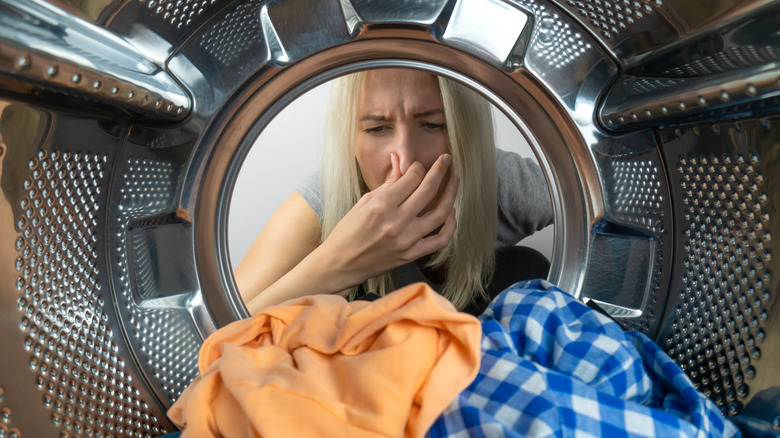
Of all the rooms in the house that can start to smell, the laundry room seems the least likely. Yet, it does happen, and it happens surprisingly often. Even if you recently took the time to declutter your laundry room and it looks to be spick and span, there are several hidden things that can begin to offend your nostrils.
For example, if your dryer vents aren't properly protected, small critters could crawl inside, and if they fail to come back out again, this can turn into a smelly problem. Rubber gaskets around both washing machines and dryers can harbor moisture and start to mold, which inevitably leads to smells. And if the P-trap in your laundry room's floor drain dries out, gases from the sewer lines beneath your house can drift with merry abandon into your house.
If there's something unusual lingering in the air of your laundry room, then the first thing to ask yourself is what does it smell like? Is it musty? Does it smell a little like a wet dog? Does it remind you of the porta-potties at Coachella, or is it more like something, somewhere, is starting to burn? As you'll see in the guide below, there's always a reason behind funky smells in the laundry room. And fortunately, there's usually an easy way to remedy the problem. From moldy gaskets and dried-out P-traps, to burning lint and more, if the hairs in your nostrils are beginning to bristle on laundry day, you're likely to find the cause (along with a fix) below.
A moldy door gasket can start to smell musty
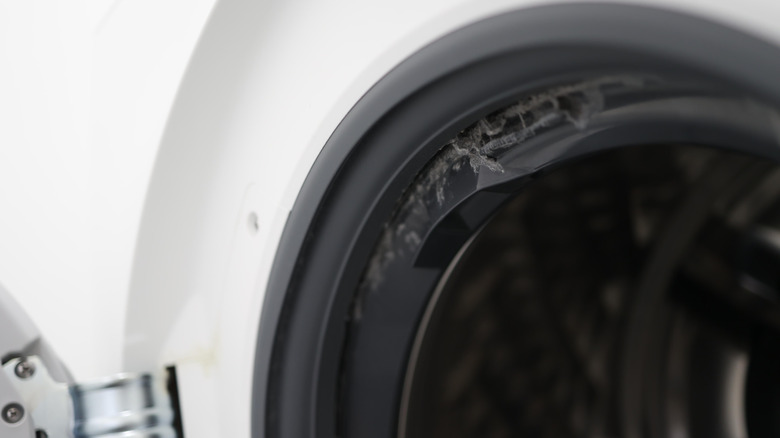
If you own a front-loading washing machine, when was the last time that you checked the door seals? While they're designed to keep water from spilling out of the machine, they are also designed to be flexible. They have "folds," or creases, which can catch water over time. And don't forget: The water in your washing machine is only truly "clean" once the cycle has finished. Up until then, it has all kinds of grease and grime swimming around in it, and this can get caught in those folds — along with detergent and softener residue. Unfortunately, if these are all allowed to build up, those creases become a petri-dish for mold, creating a musty, moldy smell whenever you open the machine.
With this in mind, one of the best ways to clean your washing machine — especially if it smells musty — is to scrub around the seals. If you keep on top of it, you can simply give the gaskets a wipe whenever you empty the machine. But if it's been a while and they've started to develop mold, you'll need to try something a little more heavy-duty. One method is to scrub inside the folds with a mix of water and vinegar. Washing machine manufacturers do warn against ongoing use of vinegar, however, as it can weaken rubber seals over time — so treat this as an emergency measure, not an ongoing cleaning routine. You can also run a hot service wash with no clothes inside to try and kill the mold. Under no circumstances should you use bleach to clean these parts, as chlorinated bleach, especially, can cause the rubber to degrade. Once your seals are clean, leave the door ajar and give them a chance to fully dry.
A clogged dryer vent can smell like burning dust
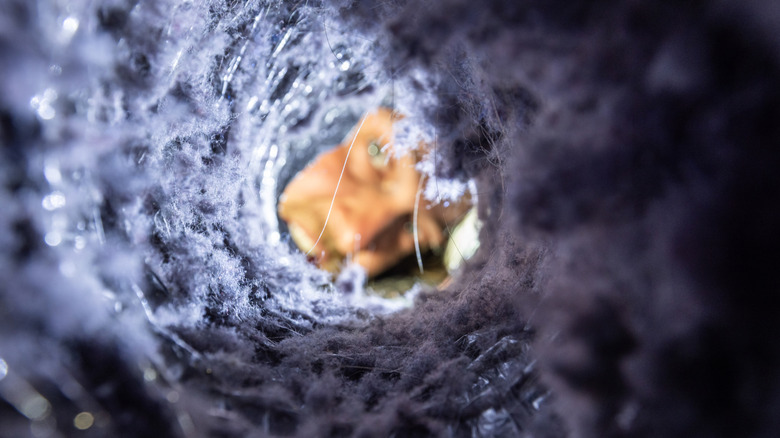
A burning smell can be one of the signs that your dryer vent needs cleaning. If you've ever tried making your own firelighters with dryer lint, then you'll know how flammable it can be. It is, after all, a collection of fine, dry fibers. It can also contain bits of paper — especially if you frequently forget to remove receipts from your jeans. This is why modern dryers are built with lint filters. They're designed to catch the lint and prevent it from being recycled around the system, where it could cause a fire if exposed to high heat. However, in order to be effective, the filters need cleaning — ideally after every use.
If your filter's clean, but the burning smell persists, then check your dryer vent. While filters catch most of the lint, small amounts can sometimes bypass the trap and, over time, build up in your dryer's ductwork. To clean out the vent, detach it from the back of your dryer and vacuum inside it. You can also buy specialist tools, like this Holikme Dryer Vent Cleaner Kit, which can be handy for longer stretches of ductwork. To avoid future issues, try to clean out the lint trap after every use, and aim to clean the vent and ductwork once a month to avoid future build-ups.
Finally, if you can still smell burning even after your trap and vent are 100% clean, then stop using the dryer and call out a professional. The smell could indicate several more serious problems. It could be a faulty thermostat, belt, or motor. Or it could indicate lint trapped near the heating element. For these issues, the dryer will likely need to be taken apart and fixed.
A dry P-trap can smell like sewage
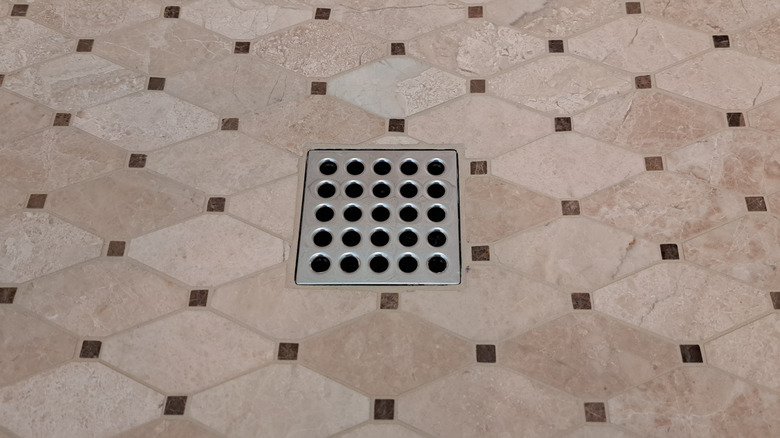
Home drainage systems can be surprisingly complex. They're far more than just pipes through which our wastewater flows, and the P-trap in your laundry room is a good example. The drain system beneath the grate usually features a U-bend, which is designed to hold water in the bottom. The water serves as a barrier, blocking the noxious, smelly gases of your sewage system from wafting into your home. When it dries up, things can start to get smelly.
If you can smell sewage in your laundry room, and you have a floor drain, inspect it. Check to make sure it's not blocked, and if it is, try using a drain snake to unclog the blockage. If you find that the P-trap is dry, top it up with a few buckets of water and monitor the area to see if the smell dissipates. If it does, then problem solved! Keep an eye on the drain in the future, and if it's used infrequently, give it a top-up from time to time to ensure the problem doesn't return. Unfortunately, if flushing it doesn't resolve the issue, then there could be a crack or a leak. And unless you're an experienced plumber, drainage problems like this are a good sign that you need to call a professional plumber.
Believe it or not, your detergent drawer can get dirty and start to smell
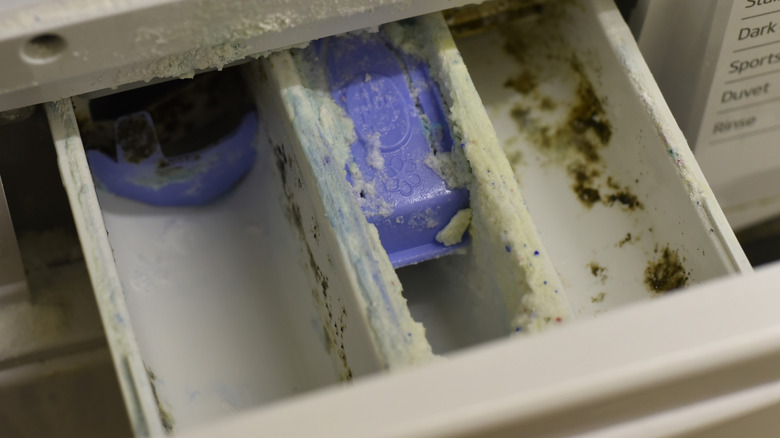
You would think that cleaning products like soap and laundry detergent would keep your machine clean. Unfortunately, like many other products, they can create a layer of buildup. If you tend to overdo it with powdered detergent, then traces may be left behind in the drawer. Over time, these can accumulate into a sticky residue. This can trap dirt, and begin to smell. To compound the problem, mold and bacteria can thrive in the dark, damp conditions presented in your detergent drawer, leading to a veritable bouquet of foul odors.
With all of this in mind, one of the best ways to prevent your washing machine from smelling is to keep the detergent drawer clean. It's usually quite easy to do. First, remove the drawer from the machine — you may need to lift a small latch in order to free it from the appliance. Once removed, soak it in hot soapy water to try and loosen any build-ups, then give the unit a thorough scrub. You could also use a bleaching agent, if the drawer is especially badly soiled.
Bacterial buildup in your washing machine's drum can start to smell like wet dog
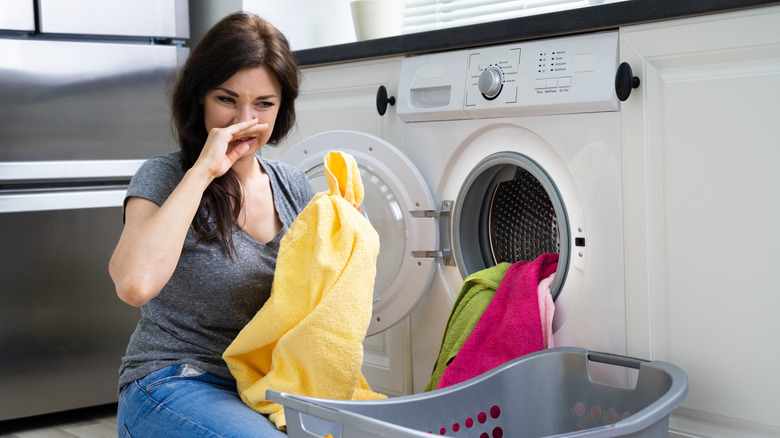
This one may seem hard to believe, given that washing machines are, after all, designed for cleaning. However, there are actually several reasons why your washing machine can smell. For starters, your clothes and towels are likely covered in body oils, dirt, hair, and other soils whenever you toss them into the drum. Detergents and fabric softeners can also build up over time, especially if you tend to err on the generous side when loading the detergent drawer. If your machine sometimes goes days between uses, you may also have mold or mildew starting to fester in the damp, dark conditions on the inside of your appliance. Oh, and if you have a habit of overloading your machine, it may struggle to completely flush away the dirt from your clothes.
Before you panic, don't! Yes, all of the above sounds bad, and if left unchecked, such a cocktail of nastiness is unlikely to be pleasant. However, a dirty washing machine drum is very easy to fix. The easiest method is to run what's known as a "service cycle." Simply run your washing machine on its hottest setting, with no clothes. This should help to dislodge and kill any bacteria languishing in the drum. If the drum is particularly stinky, you could also add a dedicated washing machine cleaner to expedite the process, such as the Affresh Washing Machine Cleaner tablets.
Damp lint could be the culprit behind a musty, earthy smell
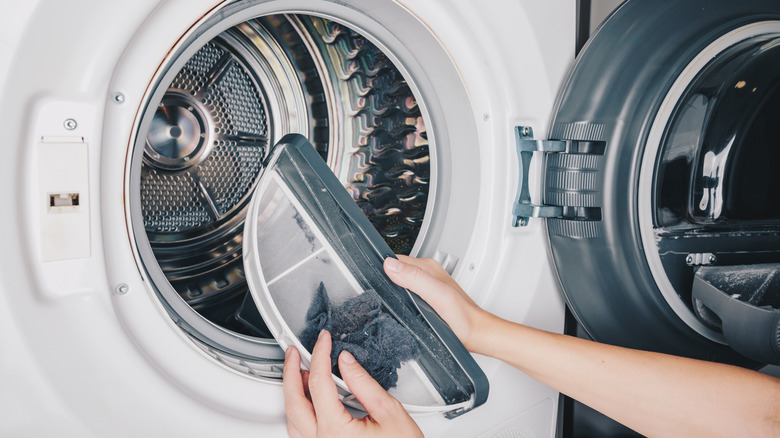
Lint is a common culprit when it comes to laundry room smells. If the filters are left uncleaned, dryers can become clogged, which can pose a fire hazard and lead to burning smells. But an uncleaned lint filter can also have an impact on airflow, preventing hot air from passing freely around, and away from, your dryer. This reduced airflow causes moisture to remain inside the appliance for longer, which in turn leaves your lint (and the clothes inside the drum) damp. If you're noticing a musty, earthy smell emanating from your dryer — and you've ruled out moldy gaskets — then it could well be worth reviewing your lint trap. If that's clean, then check your dryer vents to ensure they're clear, too.
It's important that you do this sooner rather than later, as lint-related condensation can cause several problems. First, the smell can impact the freshness of your laundry. It can also make your dryer less efficient. In fact, if condensation is being recycled around your drum, you may struggle to get your clothes dry at all. Moisture can also damage your appliance, and as we discussed earlier, linty build-ups can easily become a fire hazard. So, check and clear out your lint filter, and if that looks okay, then do the same with your vent. Clean your filter daily, and aim to check your vents and ductwork at least once a month.
A clogged drain pump filter may start to smell like pond water
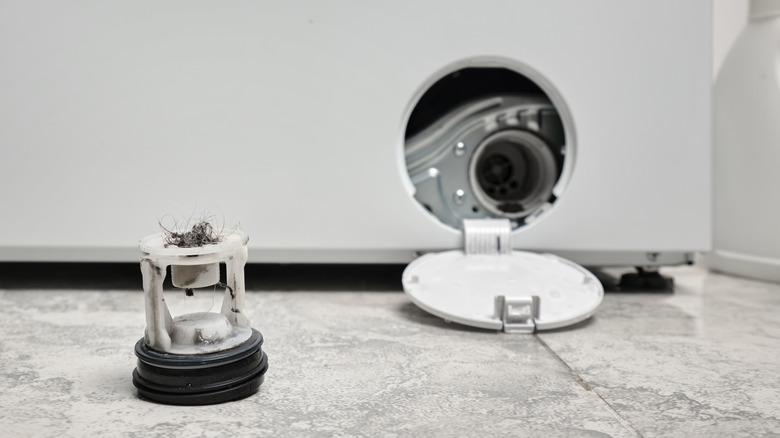
Front-loading washing machines are usually fitted with a small door towards the bottom of the appliance. If you've never peeked behind it, then you should know it's actually one of the most important parts of your washing machine to keep clean. Behind the door lies a filter, and trust us when we say they collect all sorts of things, from coins and knots of hair, to half-dissolved balls of paper. This filter has an important role, as it stops those items from finding their way into your home's drainage system and causing a costly blockage. But if it becomes clogged, this can interfere with your washing machine's drainage, causing dirty water — and the items swimming in it — to sit in the bottom and stagnate.
Fortunately, it's an easy fix, but we'll warn you: It can easily get messy. The first thing you'll need to do is put a thick towel down. In fact, it could pay to grab a few — you might be surprised by the amount of water that comes out. Once you're prepared, open the filter door, and if necessary, unscrew the filter plug to allow the water to drain. Then, you should be able to pull the filter out and clean it. Once it's clear, pop it back in place, close the door, and run a hot service cycle. This should help to clear any unpleasantness still clinging to the machine.
New dryers can emit a slightly acrid smell as they burn off chemicals

Before we get into this particular reason for a smelly laundry room, it's important to note one thing: It only really applies to new appliances. Older, well-used dryers that give off a burnt smell should be handled with care. Lint build-ups are one common cause. But if you've ruled that out, then for your safety, you should call in a repair service and stop using the machine until they've diagnosed and fixed the problem. However, if you have a brand-new machine, then a slight chemical burning smell is actually pretty normal. In fact, you may notice it for the first few uses.
It occurs as residues from the manufacturing process — typically around the heating element — burn off. There's no real "fix," as such. But it's important to follow your nose and ensure that the smell eventually stops occurring. Run the dryer as normal, and it should start to dissipate within two or three uses. If it persists, then stop using it and contact the manufacturer. Continuous burning smells could indicate a different, more serious and dangerous problem.
A smell of musty old books could indicate leaky hoses
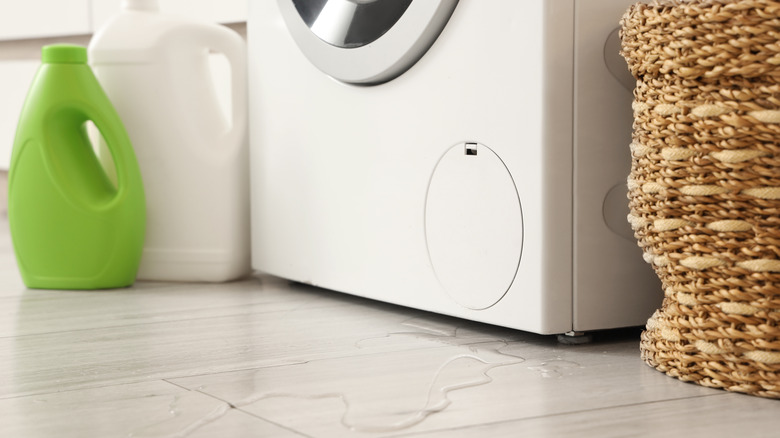
If you're noticing a musty smell of old books or rotting wood, then you may well have a leak in your laundry room. There could be a small leak in your washing machine's pipework — either in the water supply or in the drainage hose. Either way, tiny faults may not be immediately noticeable. However, over time, moisture from the leak can start to seep into your drywall and floorboards, which is likely to be the source of that old, damp library smell.
To fix the issue, first check your hoses. Assess the connections behind the machine to check if any seals, washers, or connectors have blown. You should also inspect the pipes and hoses for signs of moisture. Any cracked hoses should be replaced, which ought to be fairly straightforward provided you have some basic DIY tools on hand. Once you've done that, give your laundry room a chance to ventilate and dry out, perhaps using a dehumidifier to speed along the process. Of course, if the leak is coming from inside your washing machine, then you may need to take the washer apart to fix it. If so, either redeem your machine's warranty (if it's still in date), or hire a qualified professional to handle the problem for you.
Wet clothes left in the drum can start to stink quite quickly
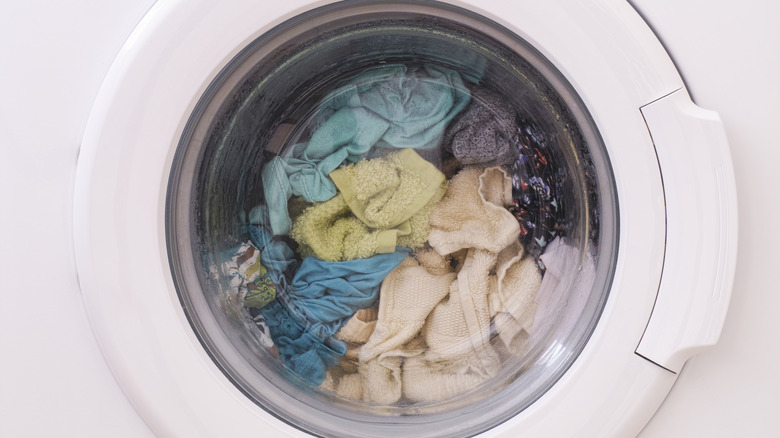
We've all been there: You leave a load of laundry in the washer with a mental note to dry it just as soon as you get back from work. Then family life gets in the way. The kids need help with their homework, dinner needs cooking, and just when you're finally on top of things, your cat appears, furious that you dared to feed the children first. All the while, your laundry continues to fester, and by the time you remember to unload the washer, you're dashing out for work the following day.
Once washed, it usually takes less than 12 hours for laundry to begin smelling. After that, mildew starts to set in. If you start to get any telltale whiffs, do not attempt to dry the smelly clothes. Applying heat to mildew-afflicted clothes will only serve to make that musty smell worse. Instead, the best thing you can do is start again and rewash them. When that's done, aim to either hang them, or load them in the dryer, within 30 minutes of the cycle finishing.
A dead animal could be behind your laundry room's rotting smell
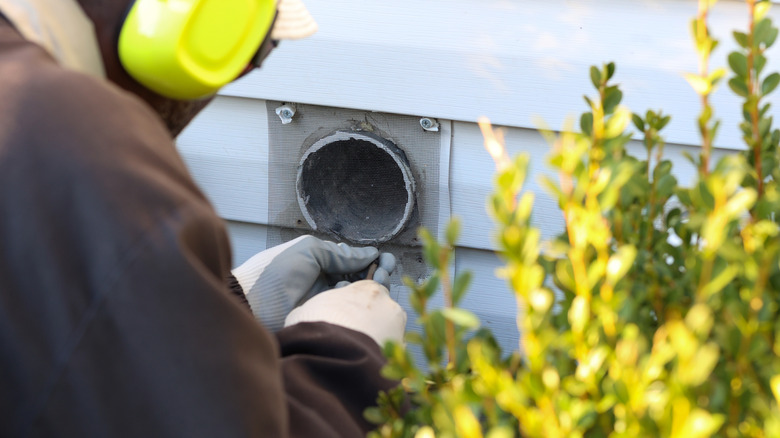
Perhaps the last thing you want to smell in your laundry room is the telltale tang of a rotting animal. Unfortunately, if the outside end of your dryer's vent system is open, then animals can — and often will — creep inside. Dryer vents are naturally warm and sheltered, making them an ideal place for little critters seeking sanctuary from the cold. If they happen to die during their dive into your home's ductwork, then it won't take long for the smell to reach your nostrils. So, if you're noticing a sickly-sweet rotting smell, it's worth inspecting your vents.
If the outside hole was once covered and you spot signs of damage, an animal could well have climbed inside. If you can, try to inspect the ductwork between the vent opening and your dryer. You may need to buy, borrow, or hire a snake camera to inspect the inside, depending on the length or complexity of your vent system. Alternatively, you could hire a contractor to come out and check the system for you. Either way, once the source of the smell has been removed, you'll want to prevent future clogs in your dryer vent while keeping animals out. This means replacing the damaged cover, ideally with something robust enough to withstand the weather while preventing any determined delvers from chewing their way in. Metal covers are usually best for this, as rats, especially, are quite capable of chewing through plastic.