

Are Your Spring Hydrangeas Damaged? Garden Pests May Be To Blame
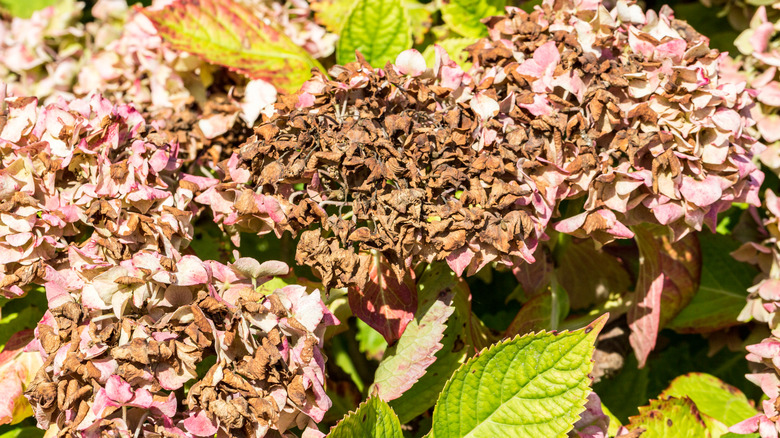
Spring is the time when gardens come alive — with shoots, leaves, buds, blooms, and insects (sometimes, to our utter chagrin). After surviving the cold winter, as eggs, larvae, or adults, pests seek tender spring growth to fill their bellies and places to breed. Even though hydrangeas aren't highly susceptible to pests, they make tasty treats, nonetheless. If they're already stressed from winter damage, excessive sunlight, underwatering, or overfertilization, their defenses may be weakened. This empowers spring garden pests such as aphids, spider mites, hydrangea leaftier caterpillars, plant bugs, slugs, and snails to cause damage.
Since losing hydrangea blooms for the season is most definitely not a part of your plan, monitoring pest movement and curtailing it becomes pertinent. Usually, taking the time out every day to keep track of pests, and hosing them down, squishing them, or dunking them in soapy water should reduce their pressure. Lady beetles and other good bugs may chase them out of your garden, too, if they find the environment conducive. In severe cases, insecticidal soaps and oils can help, though they can hurt some beneficial insects.
Identifying and treating soft-bodied garden pests
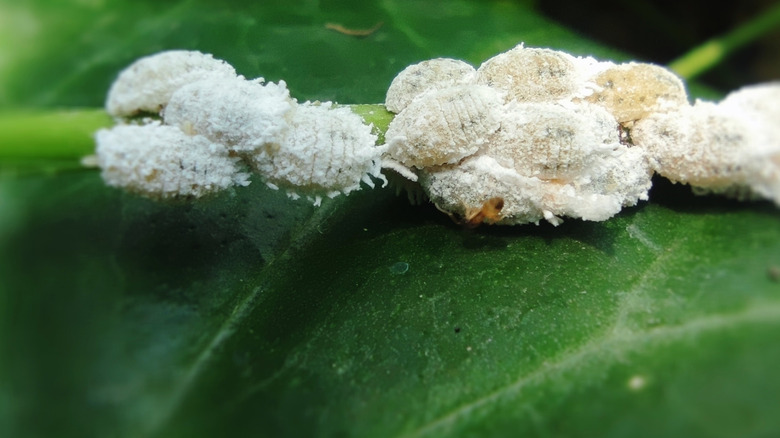
If your hydrangea leaves are turning yellow, misshapen, curling up, and feel sticky to the touch, aphids may be to blame. Soft-bodied, aphids are tiny, pear-shaped, green, yellow, or black insects that gather on young shoots and leafy undersides. They excrete honeydew – hence the stickiness — which may draw in ants and encourage the growth of sooty mold on leaves. Because mold blocks sunlight, foliage may pale, reducing overall plant growth. Blasting aphids with a strong water spray can usually get rid of them.
In contrast, if you notice any red or bronze-tinged yellow freckles and fine webbing along the leaf's undersurface, you may be battling spider mites. Since they're extremely tiny, you'll need a hand lens to verify their presence. Spider mites can maintain a year-round presence in southern climes, but further north become active during spring. If left unchecked, they can multiply to unmanageable levels in the dry, hot, and dusty conditions of summer that they favor, potentially damaging nearby plants.
Where hosing them down doesn't work, apply neem oil and insecticidal soap. Repeat treatment for multiple weeks, as necessary. If your garden stays damp, snails and slugs may trouble your hydrangeas. These brown-bodied, slow movers leave behind a trail of silvery slime and ragged holes on leaves. Pick them off during the evening when they're most active, or use beer traps or copper tape to keep snails and slugs out of your garden.
Detecting and managing caterpillars and plant bugs
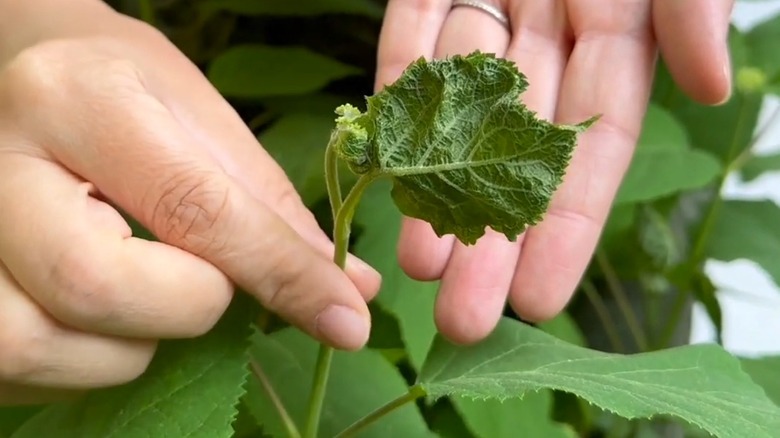
In spring, you may spot a few hydrangea leaves stitched together with silky threads to form gnarly, purse- or gall-like structures. They're the classic tell-tale sign of hydrangea leaftier caterpillars. Leaftiers are brownish-white moths that lay their eggs on hydrangea stems after their spring emergence. On hatching, these eggs release green caterpillars that form these enclosures on newly emergent leaves. Although flowering may be affected, the damage is usually minimal and cosmetic, so you can leave them alone. If not, squish the caterpillars between your fingers after breaking open the odd leafy structures, or cut the damaged sections off and destroy them.
Two plant bugs – four-lined and tarnished – also affect spring hydrangeas, especially in the east and central U.S. areas. In their case, symptoms can be mistaken for disease, as they leave sunken holes in the foliage. Initial damage appears as dark, rounded pinpricks that turn brown and necrotic (dead tissue) before falling out. Moreover, you should also watch for nymphs, as they cause the most damage. They lack wings and, depending on the variety, may appear yellow, reddish-orange, or brown with patterned black markings on their back. In small numbers, you may individually pick them off or tap the leaves to release them into soapy water. Horticultural oils and insecticidal soaps may be used in the worst cases.