

Why There's Simply No Need For An Alarm Clock Anymore
We may receive a commission on purchases made from links.
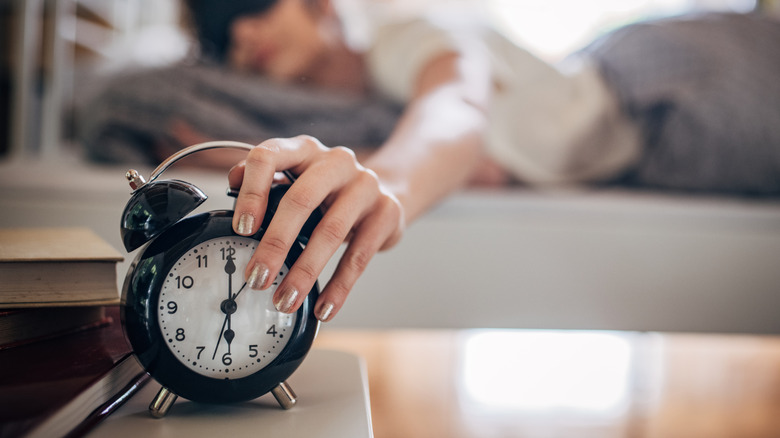
Whether your wake-up routine consists of snoozing your alarm clock a couple of times or grooving to the pop songs blaring from it, you may consider this device a necessary part of your mornings. How else will you get up on time and get ready for work? But despite how much you value your analog or digital model, there's simply no need for an alarm clock anymore. For starters, being startled out of your dream state can lead to stressful mornings and increase your heart rate, courtesy of cortisol and adrenaline pumping through your body. This can make for a bad start to your day.
Besides having to deal with alarm anxiety, you also worry about sleeping right through your alarm. So, you may wake up at ungodly hours just to check the time and tell yourself you still have a while before you need to wake up. This sleep anxiety can lead to poor rest, and you may feel groggy the entire day. You'll feel the same way if you have a habit of snoozing the alarm multiple times before finally getting up. And, sometimes, it's better to listen to your body and sleep for at least seven to nine hours each night, so your body and brain can feel invigorated. Otherwise, not only your immunity but also your physical and mental health will take a hit. Given these reasons, it's best to ditch your alarm clock, and only set it if you're worried about missing an early morning appointment (and you can use your smartphone for that). But that doesn't mean you should throw it in the trash. There are plenty of creative ways you can repurpose your alarm clock.
Better alternatives to an alarm clock
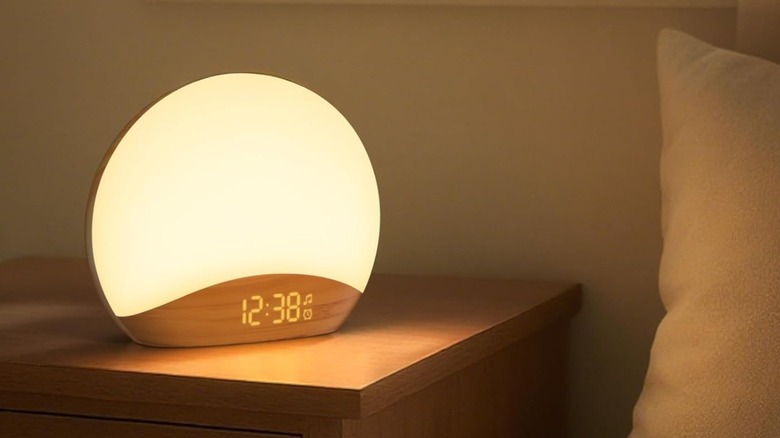
If you've been using an alarm clock for years and don't want to risk oversleeping on a Monday, try out a highly-rated home product that can help you get a deeper sleep. To illustrate, the Philips SmartSleep Wake-up Light simulates both sunset and sunrise so your body can wind down naturally at night and gradually start brightening the room 30 to 60 minutes before it's time for you to wake up (you can program this in). Exposure to the sunlight-like light will help govern your body's circadian rhythm (so it starts producing cortisol and stops releasing melatonin) and prepare it to wake up as "dawn" approaches. Such devices are also programmed to emit natural alarm sounds if you'd like to wake up to birds chirping, rain falling, or other gentle sounds.
But if you'd like to go cold turkey and don't mind waking up a little late until your body adjusts, start maintaining a consistent sleep time. Determine what time you'd like to wake up, and subtract at least seven hours to find out your ideal bed time. So, if you'd like to get up by 7 a.m., start sleeping no later than 12 a.m., possibly by 10 or 11 p.m., to feel better rested in the mornings. Moreover, ditch certain items from your bedroom, like your laptops and phones, to limit your exposure to blue light. Plus, ditch black-out curtains (unless you absolutely can't sleep without them) and use sheer ones to let sunlight inside your bedroom. These activities will regulate your sleep cycle and prepare your body to wake up on "time" without the need for blaring alarms.