

What Those Gaps In Concrete Are Called (And Why They're Essential)
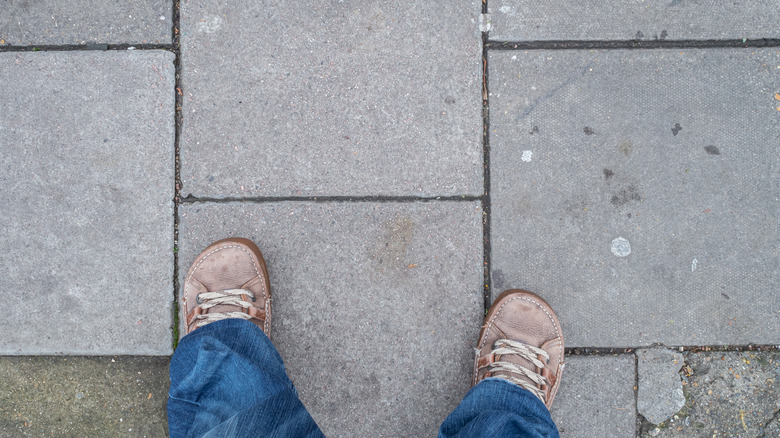
If you've ever walked down the sidewalk or pulled your car into a driveway, you might've seen the evenly spaced gaps running through the concrete. Likely, you haven't thought much about them. They may look like seams or simple lines, but they are actually a design feature that is intentional and an important part of maintaining the driveway. The visible gaps are there because the sections of concrete are constantly shifting. These lines, called expansion joints, allow each slab to move independently, and without them, the concrete won't last long.
Concrete tends to move slightly with temperature changes, expanding in heat and contracting in cold. It can also shrink as it dries and reacts to things like moisture and soil movement. The expansion joints are like built-in "breathing room" so that the material has space to adjust naturally without causing damage. While concrete is incredibly strong under pressure, it's also vulnerable to tension. Without a place to go, expansion and contraction can build up internal stress and cause cracks to form. The joints ensure that there is allowance for movement, supporting the structure.
Beyond just sidewalks and driveways, expansion joints are used in floor installations for certain materials. They are also useful for structures such as bridges, pipes, and exhaust systems. Basically, anywhere concrete spans or covers a larger area, joints are needed to prevent stress buildup. They are simple, clean-cut lines in the concrete that work to protect each slab.
Why concrete needs expansion joints
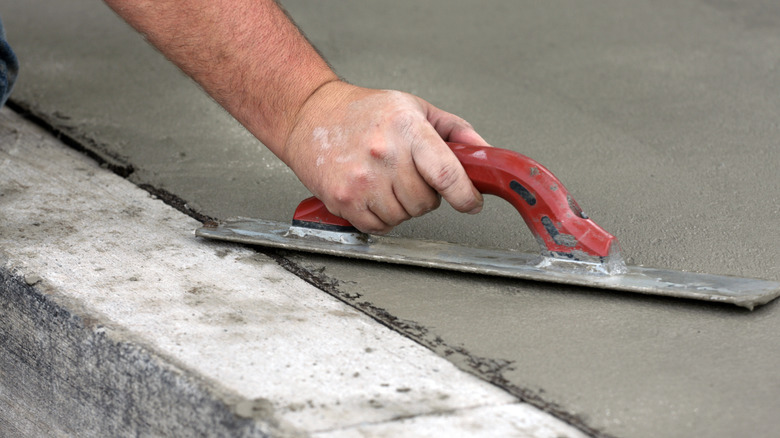
By reducing tension and preventing cracks, expansion joints make it so that sidewalks, driveways, and patios last longer with fewer repairs, saving both time and money. Without them, it's far more likely that the concrete will buckle and break up over time. It ensures that the surfaces stay level and stable, reducing the risk of people tripping while walking. The joints are often filled or sealed after installation with flexible materials to keep water out, but still allow for shifting. This reduces erosion in the soil beneath the slab.
Installation requires these specific cuts in concrete for longevity. If you DIY a concrete pad for entertaining outside of your home, you should include expansion joints. You can put them in before or after the concrete is poured. It usually depends on the thickness of the slab. They are necessary for slabs over 64 square feet. Often, the joints are cut ¼ to ⅓ of the thickness. The placement will effectively take care of the concrete's natural movement in varying climates and humidity changes.
Maintenance is also necessary to ensure that the concrete lasts long-term. You should take some time to inspect expansion joints once a year to see if they need fixing or replacing. Common places you may have them in your home include the driveway or your garage floor. You may also want to check for expansion joints when refreshing your concrete patio. Visible signs of wear and tear to concrete slabs that require attention to the joints include big cracks, chips, or missing filler.