

The Perennial Grass With Stunning Silver Foliage That Makes An Attractive Ground Cover

While flowers tend to steal the show when it comes to landscaping, there are tons of advantages to growing ornamental grass, too. These low-maintenance plants not only look stunning, but they can also aid in erosion control and water retention. Not to mention, they are capable of growing in more versatile locations and cost a fraction of the cost of more popular shrubs. These plants are wonderful for the eco-conscious homeowner, too. There are a host of native plants that turn your yard into a safe haven for endangered creatures like fireflies, monarchs, and North American birds.
The Lindheimer's Muhly (Muhlenbergia lindheimeri) isn't as well-known as other varieties of tall grass, but it's certainly an option you should keep on your radar. It gets its name from celebrated botanists Gotthilf Heinrich Ernst Muhlenberg and Ferdinand Jacob Lindheimer.
It's the perfect ornamental grass to use for ground cover in your landscaping. This ornamental grass features fountain-like perennial bunchgrass with silvery blueish-green leaves. It produces feathery silver or purple flowers from spring into fall. This plant is considered semi-evergreen, meaning it can retain its beautiful leaves through part or all of winter, depending on where you live. Since it's native to Texas, it's a great plant to incorporate in your yard if you're hoping to cultivate a sustainable, native garden. Use it as an alternative to non-native grasses such as pampas grass. Growing anywhere from 2 to 5 feet tall and 3 to 4 feet wide, it can aid in efficiently filling in gaps in your landscaping. Plant it to cover large swatches of the ground, working in native wildflowers alongside it for visual interest.
How to plant and care for Lindheimer's Muhly
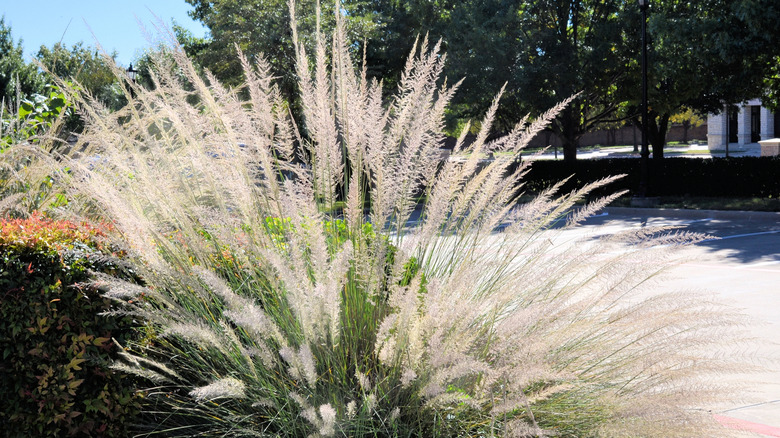
This hardy groundcover is suitable for growing in USDA hardiness zones 6-9. You can grow the Lindheimer's muhly by seed or starter. Aim to plant them in spring or early fall. Establish them in a sunny spot. This plant thrives in well-drained soil and can grow in sandy, loamy, clay, or limestone-rich conditions. If you're creating your own soil mixture for your Lindheimer's muhly, mix together equal parts garden soil, coarse sand, and organic compost. This plant favors six or more hours of direct sunlight, but it can tolerate some shade. Just keep in mind it will produce flowers most effectively when given the proper amount of sun. A lack of adequate sunlight can also result in leggy foliage.
Caring for easygoing Lindheimer's muhly is a breeze. This plant is drought-tolerant. While you should still aim to keep it moist, it's better to err on the side of drier conditions. This plant won't tolerate being overwatered well. There's no need to cut it back once colder weather hits. However, if the foliage is looking floppy, you can trim it down before early August. It is advised to gently trim spent flowers and rake out any remaining dead foliage from new growth. Ornamental grasses generally don't require much fussing, but you can feed your plant with slow-release fertilizer. Regular mulching can also help retain the adequate nutrition levels your plants need.