

8 DIY Yard Projects That Require A Call To 811
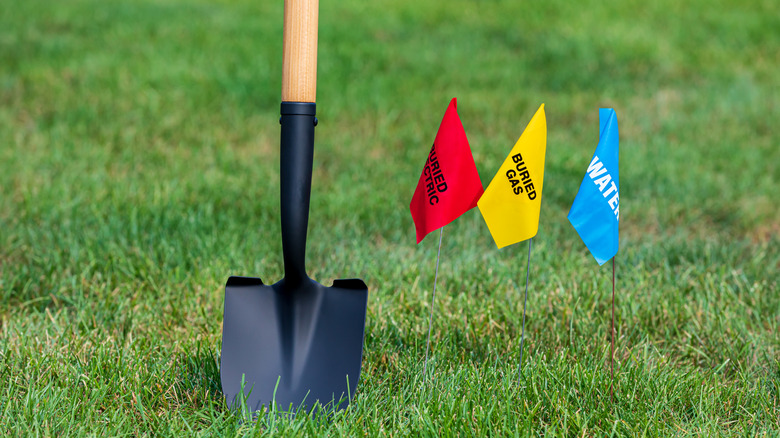
The digger's hotline is a service that any homeowner should be aware of if they are planning to do any in-ground work in their lawn. Why? Because they will come out and mark all the important underground utility lines in your yard for free, including gas, water, power, and phone lines. Using spray paint and flags, they'll note the direction of the lines, the type of line it is, and the depth of the line. 811 is the number you want to call before digging any holes in your lawn to request an appointment. In fact, for some projects, calling the digger's hotline is required. Failing to mark your utility lines before digging in your lawn can result in hefty fines, and that's the best-case scenario. If you hit a line, you could be risking expensive repairs, environmental damage, injury, or even death.
Put simply, you should always call 811 at least three days before digging in your lawn, regardless if you've had it marked before. It's common to think you only need to call 811 for any digging that requires heavy equipment, but even small DIY projects like planting trees, installing fences, building a patio, or putting in an in-ground fire pit need to be marked before you break ground. Essentially, if you are using a shovel, you are required to call 811. State laws may vary by location, but generally, you can only hand-dig within 18 inches of the marked line to account for any inaccuracies in the marking. These common projects can cost homeowners and cities thousands of dollars in repairs and fines if something goes wrong, so playing it safe is always the best option.
Adding irrigation
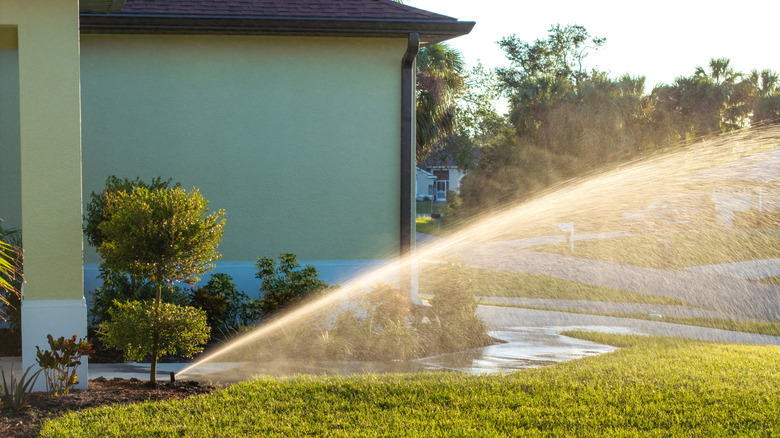
As you consider how to prepare your lawn for in-ground sprinkler system installation, it's important to plan the layout around utility lines. Even though irrigation pipes are just below the surface, you still need to call 811. Most sprinklers are buried between 6 and 12 inches deep across the entire property. Considering cables and telephone lines are usually buried less than 12 inches below the surface, the risk of cutting a line and causing an outage is higher than you think. In fact, you may even need a building permit depending on local regulations.
Digging for a patio or deck
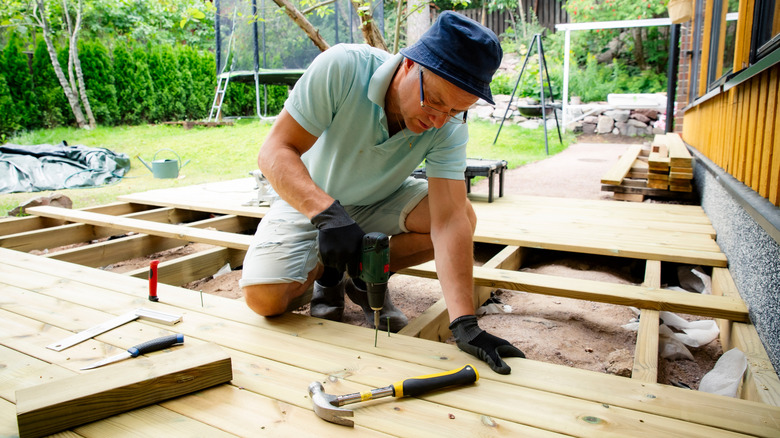
Regardless of whether you are leveling off the lawn for a brick patio or installing posts for a wooden deck, you are required to call 811 before starting the project. For a brick patio, you will want to know where your cable and phone lines are. For a deck, however, the risk is even greater. Deck posts are usually installed six inches deeper than the local frost line, which can be several feet. This means you run the risk of hitting any utility line, including water, sewer, gas, and electric lines.
Installing an in-ground fire pit

Even though a fire pit is usually installed further away from the house, you face the same issues as installing a deck or patio. Depending on the design, fire pit depths generally range from 6 to 12 inches, but they can be deeper if you are installing brick at the bottom. Not to mention, you probably don't want a fire pit anywhere near a gas line. At this depth, cables and telephone lines are the most likely issues. Since water, sewer, gas, and electrical lines can be as shallow as 2 feet deep, there's still a risk of hitting these.
Installing a mailbox

Mailboxes can be installed virtually anywhere on the property, provided they are accessible to your mailman. The most common places are usually at the edge of the property near the road or near a walkway or driveway. Just like with a deck post, you will usually need to dig at least 2 feet into the ground. In either case, you risk running into any utility lines that run directly from your house or even city lines that run near the sidewalk, including gas, water, and sewer lines.
Planting trees

Unlike other projects, planting trees requires more than just planning for the initial installation, but also future growth. You may only be digging a hole large enough for your tree's root ball to fit in, but the roots will spread over time, potentially causing significant damage to lines around your home. Of course, you will still need to be mindful of the initial dangers of hitting a line when you dig. It's best to plant trees as far away from pipelines as possible to prevent future damage and expenses.
Putting up a fence
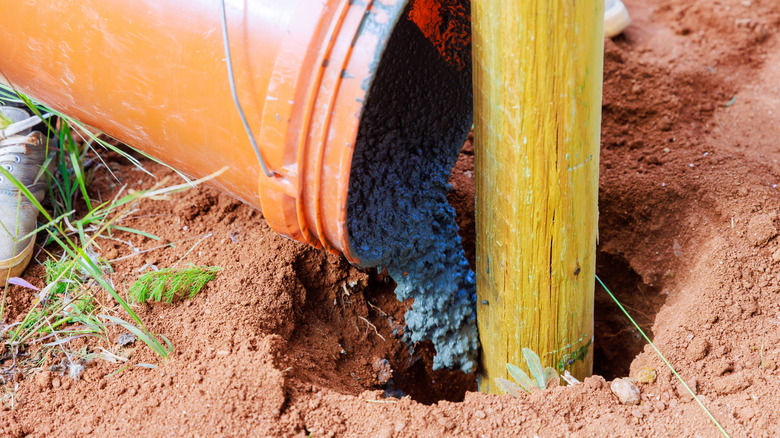
Whether you are installing chain-link fencing with metal poles or wooden fencing with tick posts, the need to call 811 before digging holes for your posts remains the same. Some fencing projects may even require a permit depending on local regulations and fencing height. In fact, failing to get a permit and check for utility lines are some of the top mistakes everyone makes when installing a fence, and it can be costly. The fines alone for building without a permit can be in the hundreds, and if you hit a line, repair costs can end up in the thousands.
Starting a backyard pond
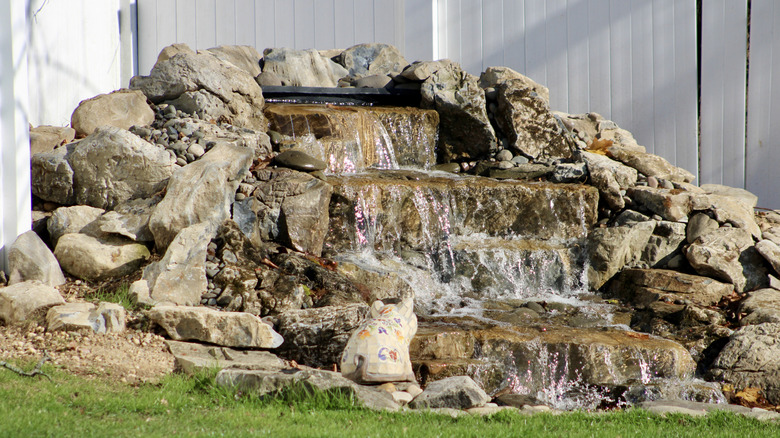
Small ponds can be a backyard water feature that can seriously boost your home value — if you do it right. Most backyard ponds will have to be at least partially placed in the ground, even if you are placing rocks, fountains, or waterfalls above ground. Regardless of how deep you are digging, you still need to consider utility lines. To make it easier to maintain, some homeowners also install access to water, which requires the same considerations as sprinkler systems. To avoid any issues, it's best to just call 811 before getting started.
Tilling a new garden
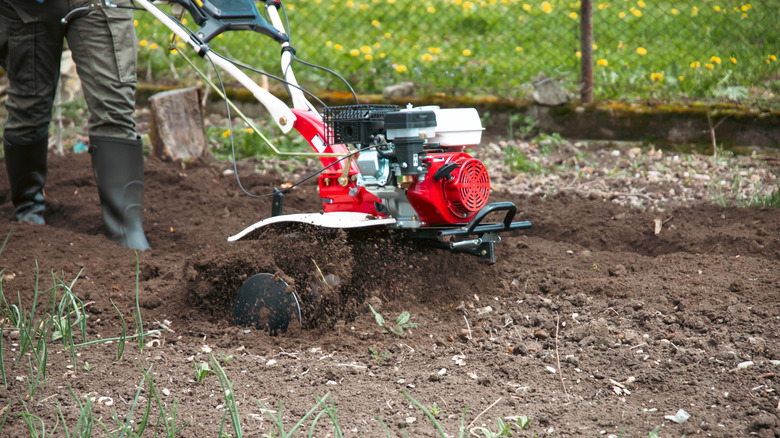
There are plenty of ways to till your garden, including hand tillers, mechanical drive tillers, and hydraulic drive tillers. No matter which option you choose, you need to call 811 before starting. Hand tilling may increase the chance of spotting a line, but not before the potential for irreparable damage is done. Plus, even if you didn't damage the line, you'd likely have to move the garden. Tilling depth depends on your plants, but it can range from 6 inches to 24 inches, meaning you could hit gas, sewer, electric, and water lines.