

14 Plants With Smells That Ticks Can't Stand
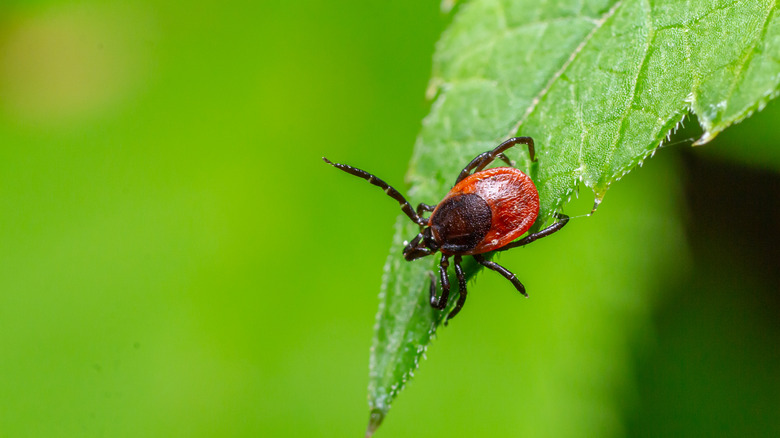
Ticks aren't just a problem for hikers and outdoor explorers. These arachnids are often found in backyards where they can crawl onto people or pets, causing irritation or serious health conditions. Deer ticks carry the bacteria that can cause Lyme disease, while larger ticks found on dogs can spread Rocky Mountain Spotted Fever. There are certain plants to avoid if you want to keep ticks out of your yard, but fortunately, others have smells that ticks can't stand, and their extracts have been proven effective at keeping them away.
Plants themselves don't really keep ticks out of your yard, but certain plant essential oils have been shown to drive away or kill ticks, so you can grow the plants to make liquid repellents out of them. There are various ways to make your own plant-based solutions — some more involved than others. Distilling essential oils often requires special equipment, but it's more cost-effective to make less concentrated sprays or oils by crushing and mixing plant parts with water and sometimes a carrier oil like coconut or jojoba oil before straining the mixture. The caveat is that you'd be using infused rather than essential oil, which is not exactly what the scientists who investigated the tick-deterring effectiveness of the plant compounds tested. You can add in a few drops of store-bought essential oil to strengthen the scent and stretch out the supply.
No matter what plant oil you choose to keep the ticks at bay, always check yourself (as well as kids and pets) for ticks after gardening, walking, or an outdoor play session. If you're unable to catch a tick in time and experience a rash or other worrying symptoms, it's best to seek medical care.
Pyrethrum daisy
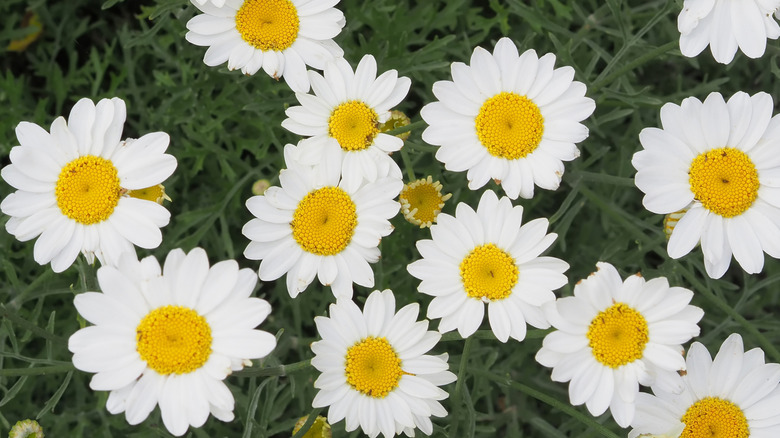
The white, yellow-centered flowers of the pyrethrum daisy (Tanacetum coccineum subsp. coccineum) have controlled pests since the 19th century. Their petals contain pyrethrum, which has been shown to affect ticks' nervous systems. The plants can be grown in USDA Hardiness Zones 3 through 7, but the plant matter needs to be processed to release the repelling properties. Grind dried flowers into a powder and mix it with 10 mL of liquid soap and 1 liter of water to create a spray. Keep the flowers dried until right before you need the spray, as its potency can wane.
Spearmint

Spearmint (Mentha spicata) could take over a yard in Zones 4 through 11, but you can harness its tick-repelling scent by growing it in pots and making an oil. In a study published in Experimental and Applied Acarology, blankets treated with spearmint essential oil and dragged through a tick habitat and the pants of a subject walking through the area had fewer ticks than control fabrics. To make your own oil, crush mint leaves, pour them into a jar, and pour a carrier oil over them. Leave it alone for a day, then strain the mixture.
Lavender
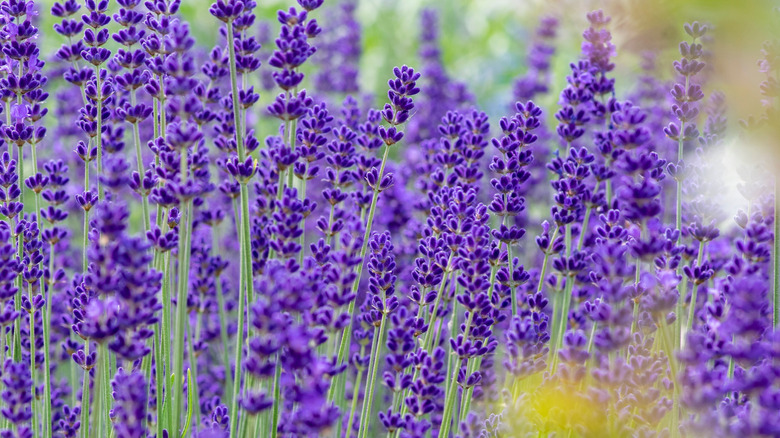
Unlike many gardeners in Zones 5 through 9, ticks find the scent of lavender (Lavandula angustifolia) repulsive. A study published in Parasites & Vectors demonstrated lavender oil to be stronger than a control substance against the lone star tick. Infusing dried lavender flowers into a carrier oil gives you a chance to try out its properties. Fill a lidded glass jar two thirds of the way with completely dry lavender flowers, then pour oil up to the top of the jar, leaving it to steep for a few weeks before straining out the flowers.
Catnip
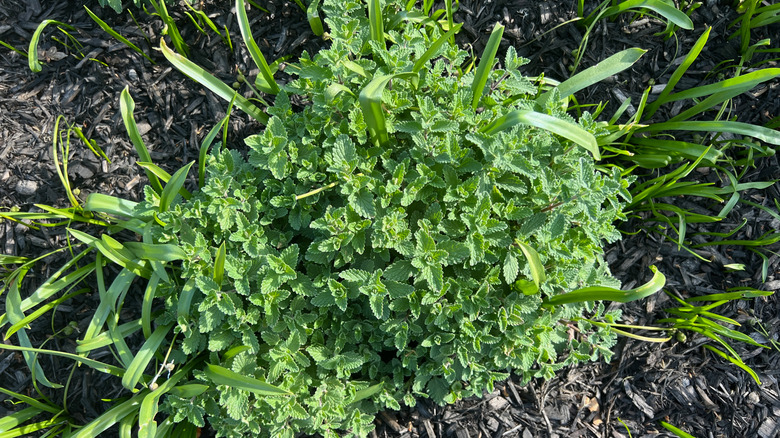
Although the herb is beloved by many of our feline friends, catnip (Nepeta cataria) has a scent ticks don't like. It also contains nepetalactone, a chemical which has been patented for its ability to repel ticks and other pests. In a study published in Ticks and Tick-borne Diseases, catnip oil containing nepetalactone was shown to have a high degree of repelling activity against the deer tick. This perennial grows outside in Zones 3 through 9. To make a DIY catnip oil, you can heat chopped catnip leaves and olive oil over slow heat and strain the leaves.
Lemon eucalyptus
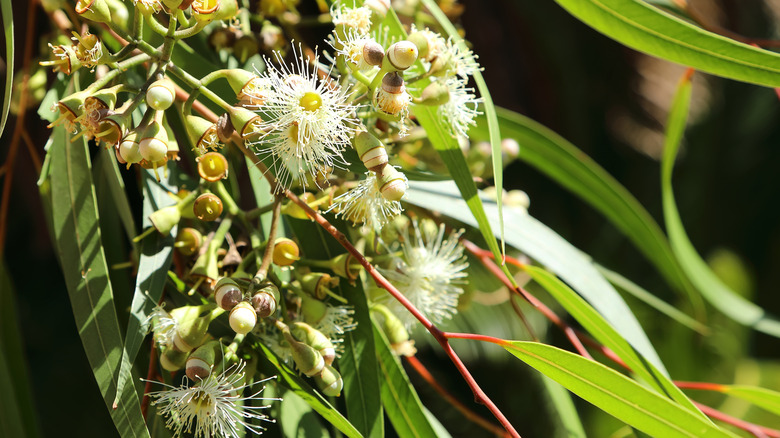
Lemon eucalyptus tree (Corymbia citriodora), grown as a perennial in Zones 8 through 10, is also called lemon-scented gum because of its aromatic leaves that release an oil used in commercially available tick repellants. In a study published in the Journal of Medical Entomology, the oil was shown to repel deer and dog ticks when placed on fabric. You can make an infused oil by crushing 25 to 30 leaves in a blender, combining them with a carrier oil in a glass container, heating the mixture after seven to 10 days, and straining with a cloth.
Rosemary
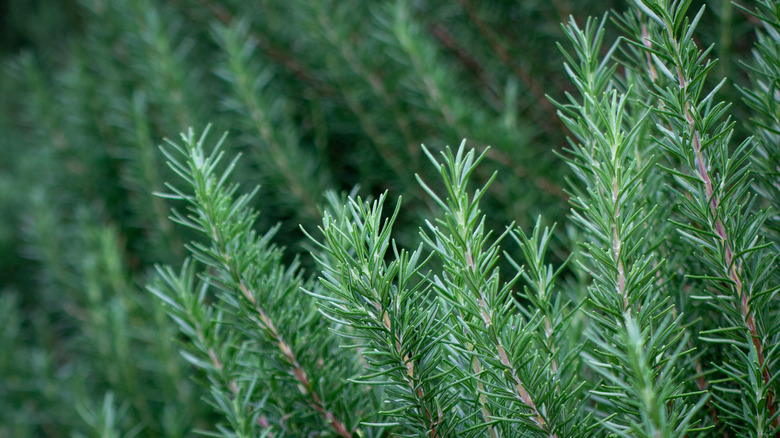
Rosemary (Salvia rosmarinus) is an herb you can easily propagate to fill your garden in Zones 8 through 10, and a lab study in the Journal of Essential Oil Research showed that rosemary oil has potential to repel ticks and even disrupt their reproduction. Although more research is needed to prove the oil's real-world effectiveness, you can try it out to see how well it works in your own garden. If you have a still for making essential oil, try distilling some whole rosemary sprigs. The essential oil should be kept in a dark place in sealed glass bottles.
Garlic

It's no secret that garlic (Allium sativum) has a pungent smell. Fortunately, it's one that ticks don't like. In an International Journal of Acarology study, a diluted garlic spray was demonstrated to reduce the amount of ticks on cattle. Though it needs to be applied often, you can make such a spray by pureeing garlic bulbs, mixing them into water, and straining pieces out after 12 hours. Fill a spray bottle with the mixture and keep it refrigerated. Garlic is hardy in Zones 4 through 9, and it's ready to harvest when half the leaves are brown.
French marigold
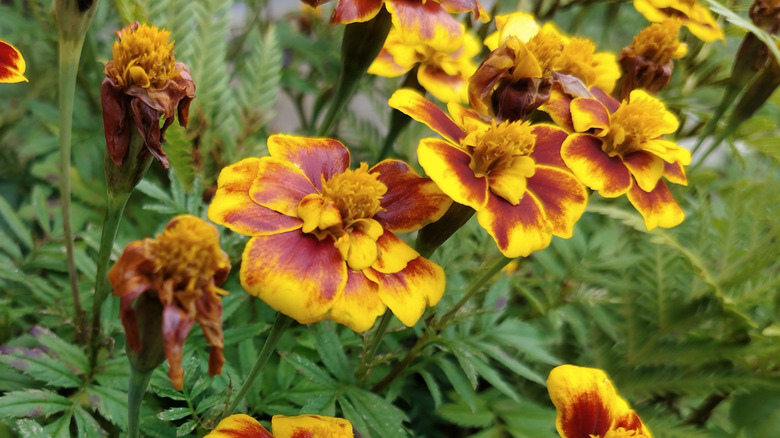
If you have a garden border of marigolds, you can tap into their tick-discouraging power. Data published in the Selected Papers of VІ International Conference on European Dimensions of Sustainable Development has shown that essential oil from French marigolds (Tagetes patula) can disrupt ticks' reproduction and holds promise as a deterrent. Plus, deer (which sometimes carry ticks) aren't drawn to these annual flowers. To make a spray, crush petals with a mortar and pestle and steep them in a liter of water for five days. Strain, dilute with more water, and apply with a watering can.
Wormwood
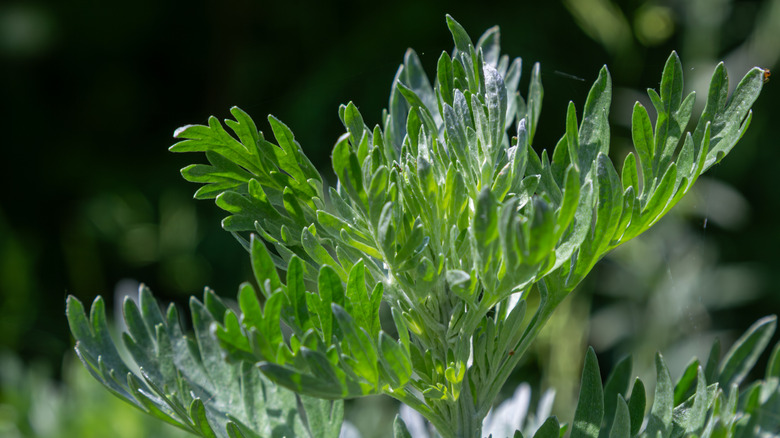
Wormwood (Artemisia absinthium) is a lush herb you can use to keep ticks away from your home. The plant, associated with intoxicating absinthe, contains a compound that ticks will want to avoid. One study published in Experimental and Applied Acarology showed that a plant in this genus can kill some adult ticks and their larvae. You can dry the leaves and make them into a tea to spray in the garden, but don't apply it to any edible plants. Wormwood grows in Zones 3 through 9, but its growth is restricted in states including Wisconsin, Montana, and Washington.
Sage
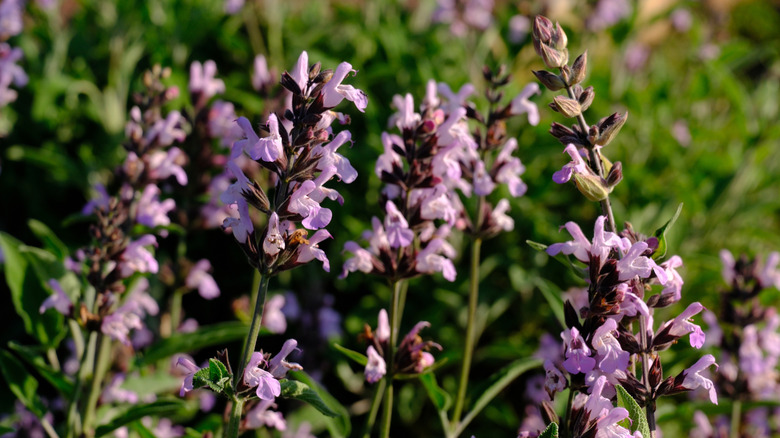
Sage (Salvia officinalis) is thought to have a smell and texture hated by ticks. It's also deer-resistant, so you can replace plants that may have attracted that common tick host with this herb if you're in Zones 4 through 8. Thanks to the compounds it contains, including camphor, sage essential oil has been shown to inhibit the development of cattle tick larvae (via Veterinary Parasitology). Sage leaves and flowers are good candidates for a home steam distillation kit. The process involves leaving the plant material in a boiler for at least 5 hours as the vapor condenses.
Common juniper
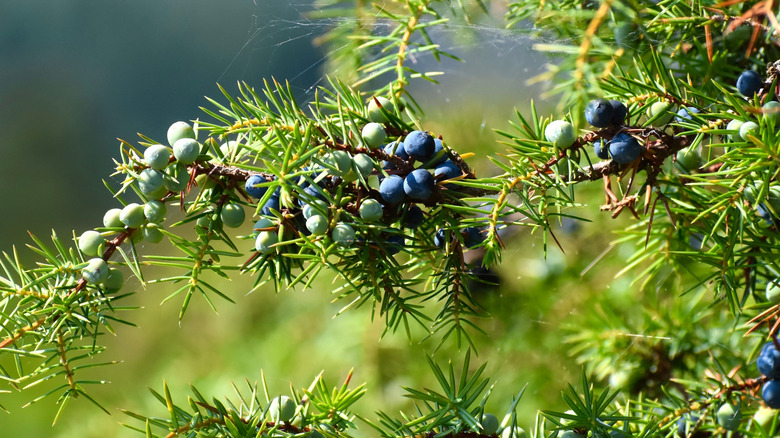
The evergreen shrub common juniper (Juniperus communis) bears berries with a strong scent that deer leave alone in Zones 6 through 10. It also has a long history of being used as a natural pesticide. In a more recent study published in the Journal of Vector Ecology, essential oil from juniper leaves was shown to successfully repel the lone star and deer ticks. Making juniper berry oil involves placing crushed berries in olive oil and nestling the mixture in a heat-resistant bowl with a larger pot of heated water around it, then straining the berries from the liquid.
Thyme
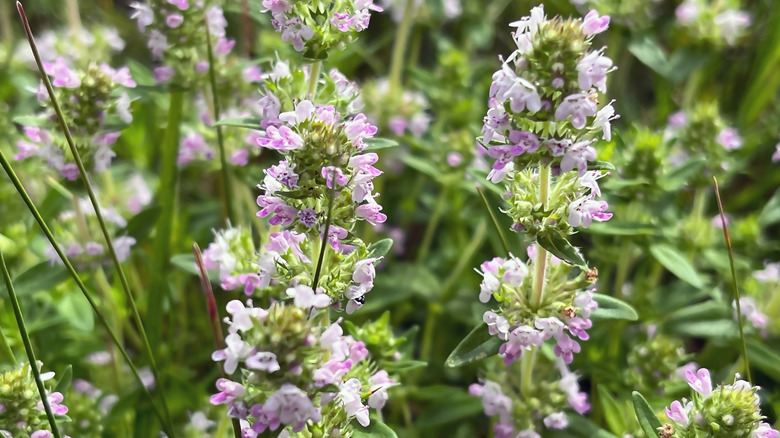
The aromatic thyme (Thymus vulgaris) has a scent ticks seem to dislike, according to an Experimental and Applied Acarology study which showed that ticks dropped more frequently off pants treated with thyme essential oil. You can grow this perennial in Zones 5 through 9, where it thrives in dry soil and tolerates drought. A DIY infused oil can be made by filling a jar halfway with thyme leaves, pouring in a carrier oil, letting it rest for 10 to 15 days, then straining with a sieve.
Geranium
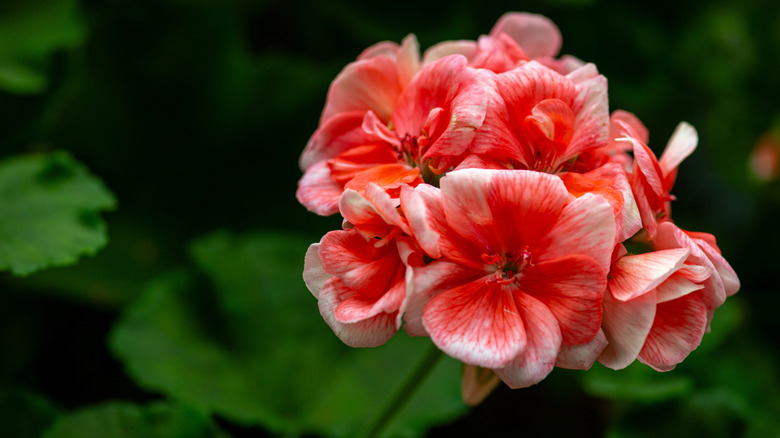
Geraniums (Pelargonium) have leaves that can give off scents reminiscent of fruits, mint, or roses. Ticks tend to stay away from those aromas, and experiments have shown geranium oil can ward off lone star ticks (Journal of Agricultural and Food Chemistry) as well as cattle ticks (Journal of Applied Pharmaceutical Science). Its compounds, like geraniol and citronellol, have been studied for their repelling power. To make your own infused oil, pick some geranium leaves, crush them with a mortar and pestle, put them in a glass jar, immerse them in a carrier oil for two weeks, and strain.
Oregano
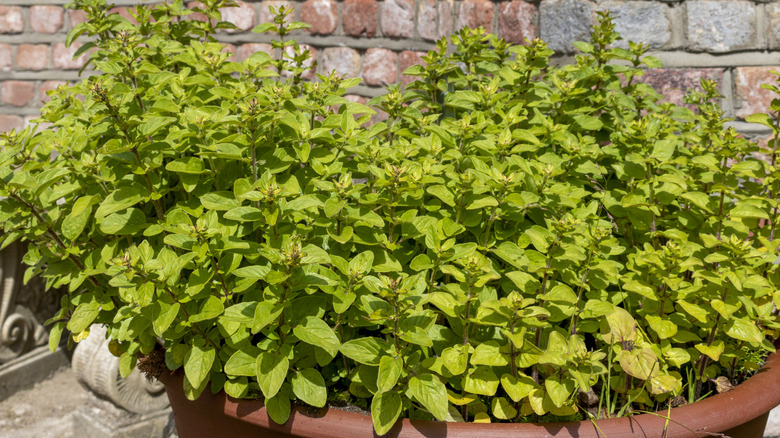
While oregano (Origanum) smells appealing to humans, this isn't the case for ticks. An Experimental and Applied Acarology study in which blankets were treated with various essential oils and dragged through a wooded habitat showed fewer ticks on the ones treated with oregano. This perennial grows outdoors in Zones 3 through 10. To make your own oregano-infused oil, combine ¼ cup of dried oregano leaves with ¾ cup of a carrier oil, place the mixture into a heat-resistant container, and let it sit in a larger container filled with hot water for 15 minutes. After leaving it for two weeks, strain.