

The '60s Tile Trend That's Making A Bold Comeback In Modern Homes
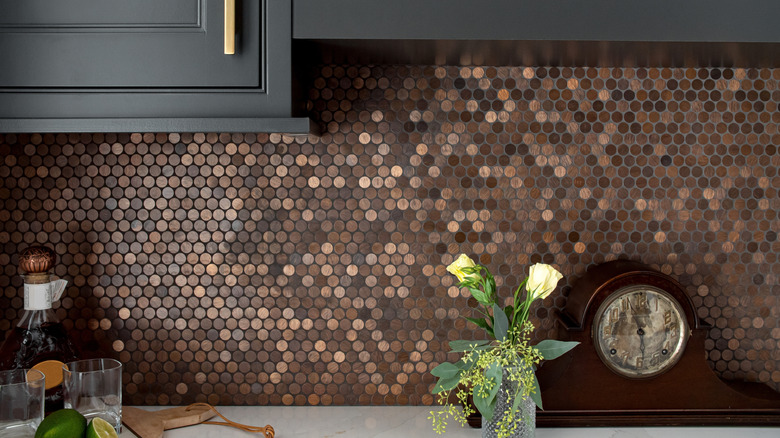
Subway tiles have become a classic choice for a reason. But if you're ready to get off at a different stop, consider embracing a 1960s style experts say is very much in fashion again. "Retro-inspired tile work and terrazzo are back in a big way, adding movement and handcrafted texture to walls and floors," Carlos Nyce, an interior designer with TriVistaUSA Design + Build, told The Spruce. "These materials give spaces a sense of rhythm and artistry without feeling overly retro."
Minimalist decor has certainly had its moment — and at least one design pro would argue that the clean de-cluttered feel will never go out of style. But a patterned tile design in an array of hues is a delightful throwback that offers a lighthearted alternative to that once-ubiquitous all-white tile. Whether you opt for a more subtle mix of colored hexagonal, micro-square, or herringbone tiles, or you decide to go all-in with a mosaic pattern, the point is to have fun. "The 1960s embraced color, craft, and personality, and we're seeing homeowners reach for that again," Georgia-based interior designer Lesley Myrick told Southern Living. "People want rooms that feel expressive and memorable, and pattern is an easy way to get there."
Patterned tiles to try in your home
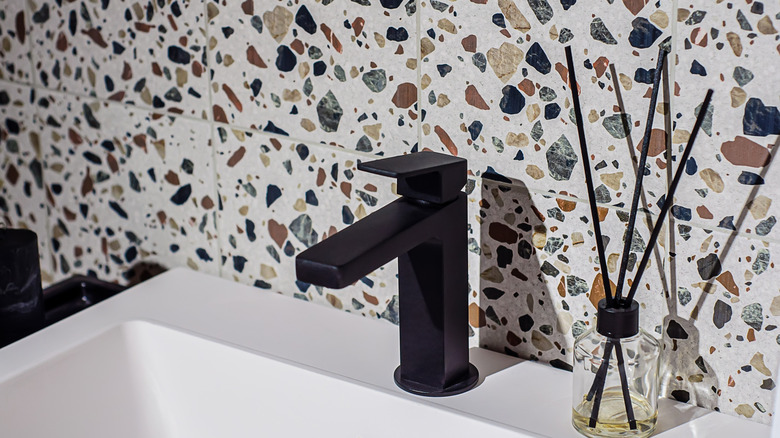
The best part of this retro vibe is that there are many options to play around with. For starters, terrazzo isn't just for cafeterias anymore. The speckled style — made from chips of marble, quartz, granite, or glass set in cement or epoxy — is now a trendy tile choice that can warm up a cold, basic bathroom. Whether you use terrazzo tiling for a feature wall, a backsplash, or flooring, it's a relatively affordable choice (roughly $4-$12 per square foot) that is rich in personality and incredibly durable.
Penny tiles and pill-shaped varieties are also among the retro tiles making a resurgence. Mosaic styles — small fragments made from natural stone, ceramic, or glass in at least two colors — are also becoming a popular choice in homes. But unlike your grandma's dated bathroom, today's options include softer, more muted palettes and artisanal textures (think hand-glazed or intentionally distressed pieces). "It's less about making a loud statement," noted Myrick, "and more about adding depth and visual interest."