

Plant This Edible Flowering Tree That Birds & Butterflies Love For Natural Privacy In Your Yard
Only one thing is better than a tree that pulls double-duty in your yard: one that goes above and beyond to accomplish not one, not two, but three tasks. Choosing multi-purpose plants is one of the best ways to make the most of a small backyard, especially when your goal is to balance functionality with visual appeal. With one flowering, fruit-producing tree in particular, you can cultivate a private escape in your backyard all while enjoying the birds and butterflies it attracts.
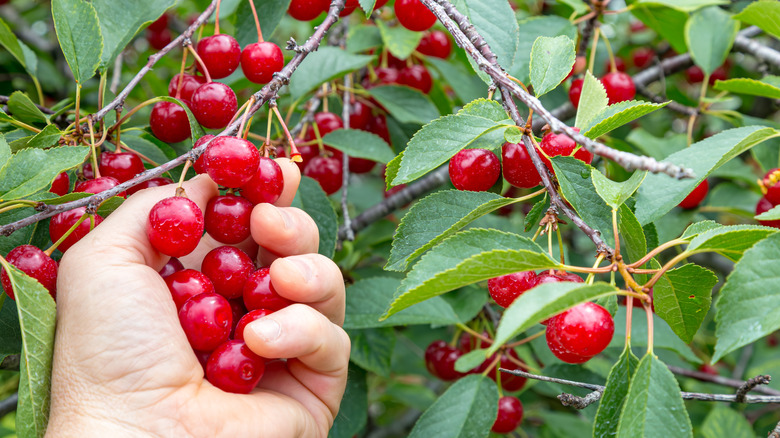
Also known as the tart cherry or sour cherry, the Montmorency cherry (Prunus cerasus 'Montmorency') is a top pick for pies thanks to its edible, tangy fruit. However, before producing these mouth-watering fruits, the Montmorency tree blooms from early to late spring with eye-catching, fragrant white flowers that brighten up your yard. The blossoms also attract butterflies, and you may find yourself sharing the fruit with visiting birds.
Montmorency cherries can grow up to 20 feet tall and wide (unless you pick a dwarf variety). Their impressive size, paired with their foliage, can transform your yard into a private sanctuary during the growing season. As a result, planting a Montmorency cherry tree provides your yard with edible fruit, a way to attract beneficial wildlife, and privacy — all while boosting the overall aesthetic of your garden with pretty flowers.
How to plant and grow a Montmorency cherry tree
The Montmorency cherry is hardy in USDA growing zones 4 through 7. In colder regions, it may not survive the winter; in warmer parts, it might not get enough winter chill hours to leave dormancy and start producing fruit. One of the best things about having a Montmorency cherry is that these trees are mostly self-fertile. As a result, while planting more than one tree in your yard can help support a more abundant harvest and leave you with a better privacy screen, it isn't required. Even a single tree can produce those flowers and fruits that butterflies and birds love while shielding your yard from prying eyes with its foliage.
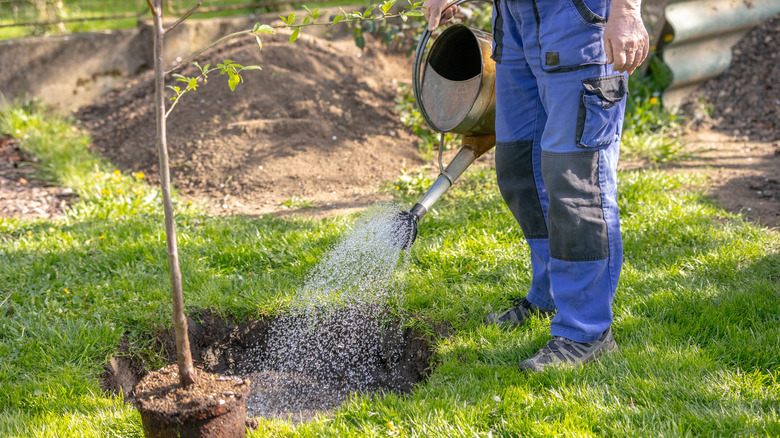
Before planting a sapling, choose a location with full sun, ensuring that your tree receives at least six hours of sunlight each day. The Montmorency cherry tree performs best when offered well-draining, sandy soil. While established trees may tolerate the occasional dry spell, this tree is not drought tolerant and requires moisture. The Montmorency cherry tree does need regular pruning during the dormant season. Because of this, you may wish to brush up on the three D rule of pruning plants, so you know which branches to cut and to leave alone.