

The Wasp-Attracting Flower You May Want To Avoid Planting In Your Garden
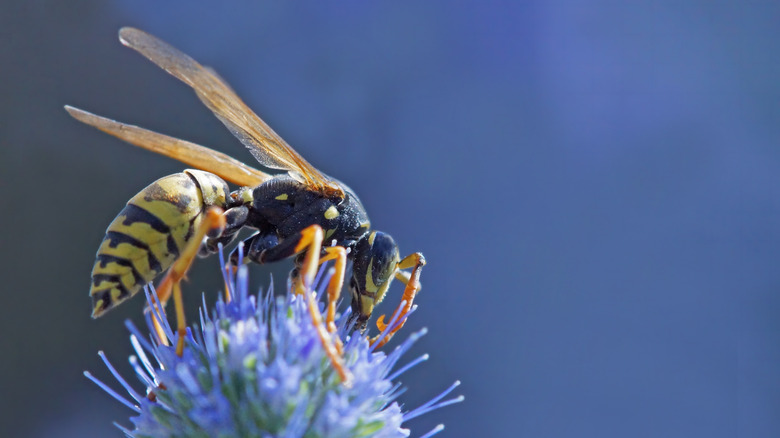
When planning a summer garden, most people are eager to plant some vibrant, eye-catching flowers that'll draw in and support local pollinators. This is a noble and wonderful idea, to be sure. However, there is one pollinator-friendly plant you should reconsider dedicating precious garden real estate to, as it's one of the things that attract wasps to your garden: milkweed (Asclepias spp.).
Milkweed is a hardy perennial that thrives in USDA Hardiness Zones 3 through 9, and is famously the preferred and exclusive food source for monarch butterfly caterpillars. Because of this, it's widely promoted as a must-have for gardeners who care about butterfly conservation. The plant is easily identifiable by its lovely clusters of five-petal flowers that range from green to lavender in color, and a white sap that oozes from its stems when broken.
However, while planting milkweed is one of the best ways to attract monarch butterflies to your yard, those may not be the only insects you end up seeing. Its nectar makes it a total beacon for wasps. If you frequently entertain outdoors or have small children who like to play in the yard, planting milkweed could inadvertently turn your yard into a wasp haven, which can quickly ruin the fun.
How milkweed attracts wasps and what you can do instead
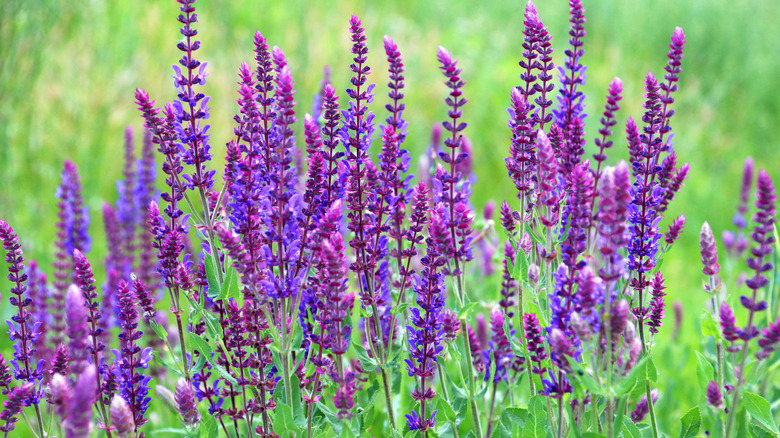
Milkweed is a lovely plant, but letting it flourish near your patio or walkways just might not be worth it. Wasps are naturally drawn to the flower's abundant sugary nectar. What's worse, some wasps (like parasitoid wasps) patrol the plant to hunt and lay their eggs inside other insects in the area. And because milkweed attracts a wide variety of insects (from beetles to aphids), it's a hard-to-deny buffet for adult wasps who dine on the nectar and feed those insects to their larvae. While wasps provide some natural pest control by eating other insects, having lots of them around simply doesn't translate to creating a fun and relaxing space for you.
Don't worry, however. There are plenty of pollinator-friendly alternatives you can plant in your garden that won't roll out the red carpet for wasps the way milkweed does. Consider beautiful, vibrant options like lavender (Lavandula angustifolia) or marigolds (Tagetes). These are plants that wasps hate, thanks to their strong scents; plus, they look and smell great for you. While milkweed offers endless benefits for monarch butterflies, the fact that it regularly attracts wasps makes it hard to recommend planting on your property, unless you have acres of land and plant it at the back. But by swapping milkweed out for less wasp-friendly blooms, you can start a pollinator garden and enjoy it peacefully without spending all summer dodging stingers.