

Why Are My Lavender Leaves Turning Yellow?
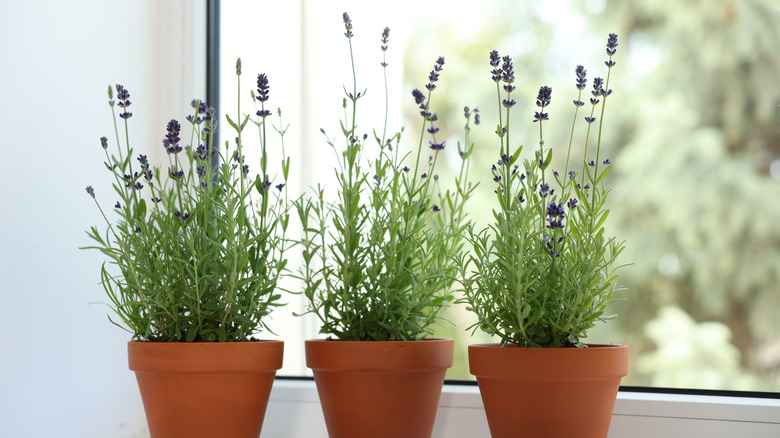
Lavender (Lavandula angustifolia) is beautiful and fragrant, and there are many easy ways to incorporate lavender into your landscape for more color. But while this Mediterranean native plant has a well-earned reputation for being low-maintenance, it's not fully immune to distress. For a plant that naturally thrives in bright, arid, rocky conditions (USDA hardiness zones 5 to 9), seeing your lavender leaves yellow almost always means distress tracing back to one of two specific issues: either too much moisture or too little sunlight. Because lavender evolved in exposed, dry environments, it needs lots of sunlight; it also has delicate roots that simply can't handle constantly damp soil.
Diagnosing the exact cause requires a quick but thorough inspection of both your lavender plant itself and its environment. If the issue is overwatering, the plant's leaves usually start to turn yellow. It might also look droopy or feel mushy when you touch it, which it won't be normally. Conversely, if a lack of sunlight is the culprit, your lavender will still look yellowing or pale foliage, but it'll also start to look leggy. Its stems will stretch out and look sparse as the plant desperately searches for the closest light source. Fortunately, these common mistakes made when growing lavender are easy to fix.
How to fix the problem and save your lavender plant
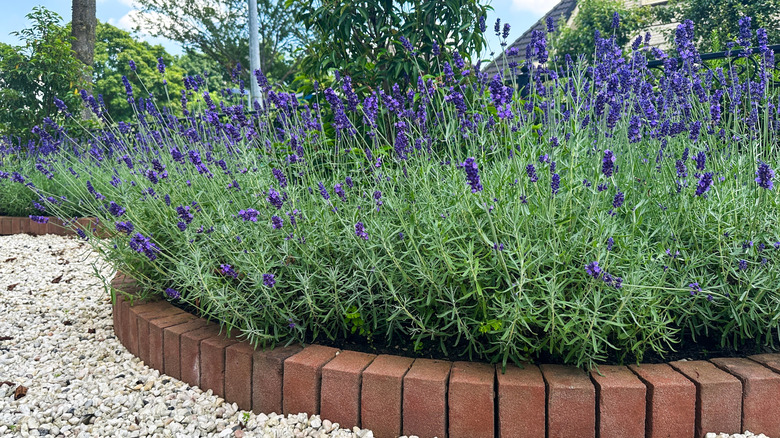
Once you've determined whether poor lighting or overwatering is to blame, you should take action right away to help your plant. There are reasons why lavender shouldn't be grown in shady areas. Most notably, it needs full sun (that's a minimum of 6 hours a day of direct, unfiltered light) to thrive. Move your potted lavender plant somewhere either inside or outdoors where it can easily get that light. Likewise, you could also opt to transplant it somewhere in your garden that receives fantastic sunlight all day. But if you dig up the plant and see mushy, darkened roots, however, root rot has set in. In this situation, just trim off the rotted roots then repot it in new, well-draining soil with great air circulation.
If excess moisture is the problem, you need to dry out the plant's root zone and keep it that way. Stop watering immediately, and give the soil a chance to completely dry out before giving it another drink. Moving forward, water your lavender thoroughly but infrequently. If the soil itself is holding too much water, amend it. Lavender prefers well-draining soil, so mix in something like pumice, coarse sand, or gravel to encourage good drainage. Also remove any mulch for now, as it can help hold water. For potted lavender, make sure the pot has large drainage holes and make sure it has well-draining soil. With these tweaks, your lavender should bounce back in no time.