

Grow This May-Blooming Pink Flower & Watch Hummingbirds Flock To Your Yard All Summer
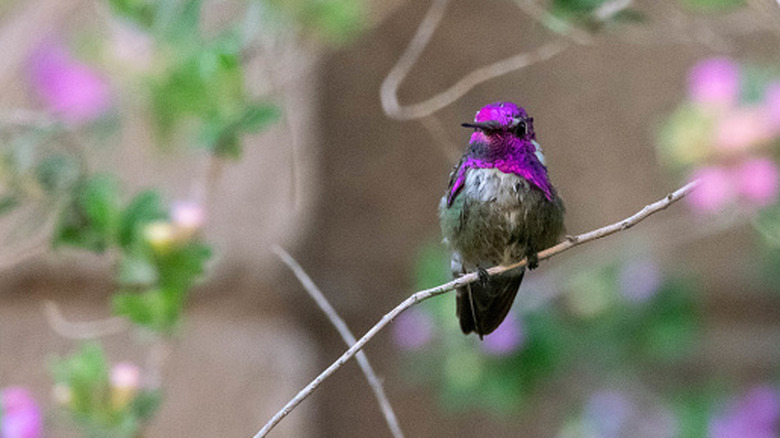
Spring is an enchanting time filled with new beginnings and new wildlife emerging into your backyard. As the gardening season continues, pollinators begin exploring flowerbeds filled with nectar-rich spring blooms. Hummingbirds are among the most welcome guests to backyard gardens, and with the right plants, you can create a hummingbird haven. There is one color you can use to instantly invite more hummingbirds to your garden. Shades of red — including pink — are especially attractive to hummingbirds, and one standout favorite is Bradbury bee balm (Monarda bradburyana).
Hummingbirds are attracted to Bradbury bee balm's color patterns and tubular flowers that bloom in a crown in May. But attracting hummingbirds isn't even the best part. You can keep your bee balm blooming all through the summer by deadheading spent flowers to promote reblooming. Unlike other varieties of bee balm, Bradbury bee balm starts blooming in early spring, sometimes starting as early as April. It is an herbaceous perennial in USDA hardiness zones 5 to 8, and grows best in shallow rocky soil with good drainage. Plus, Bradbury bee balm is just one beautiful pink flower that can brighten up the shady areas of your yard, which is good for the hummingbirds, too. While it can grow in full sun, partial shade may create a more inviting environment for hummingbirds.
Caring for Bradbury bee balm for long-lasting May blooms
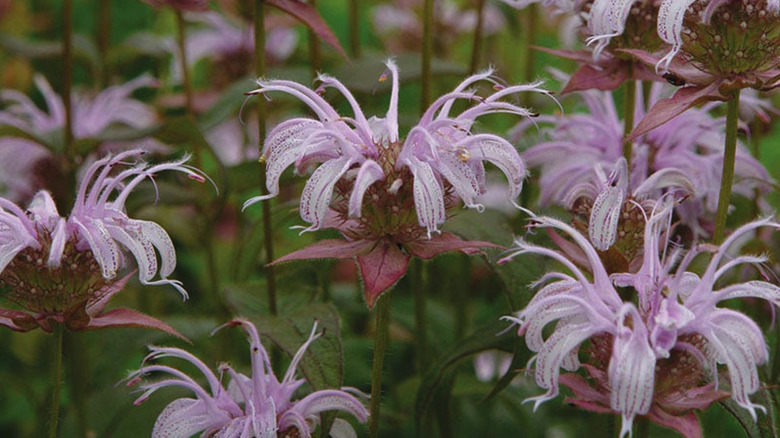
If you want your Bradbury bee balm to be ready for May blooms, you have two options for planting. You can either sow bee balm seeds in the ground in the fall or transplant seedlings in the spring. That means that even if you didn't plant in the fall, you can still enjoy pink blooms in May that attract hummingbirds. You can usually purchase established Bradbury bee balm plants from a nursery or garden center that are ready for transplant. If you're planting transplants, aim to get them in the ground close to the last frost date so the soil is still cool and moist. The plants develop roots when soil temperatures are between 62 and 68 degrees Fahrenheit. If the soil temperature is too warm, you will have a much more difficult time getting them to grow.
Once your plants are established, they are considered low-maintenance. That being said, you will want to take care to deadhead at the right times to continue to produce blooms through the summer for your hummingbirds. However, it is possible to deadhead too much. If you deadhead at the end of the season, you can prevent the plant from self-seeding and reduce native food options for winter birds. To extend the growing season, you can continue deadheading until late summer. Stop deadheading after the first frost. Once seeds have dropped, cut the plant back to about 2 inches above the stem for winter.