

Two Popular Butterfly-Attracting Flowers You Never Need To Fertilize To Thrive
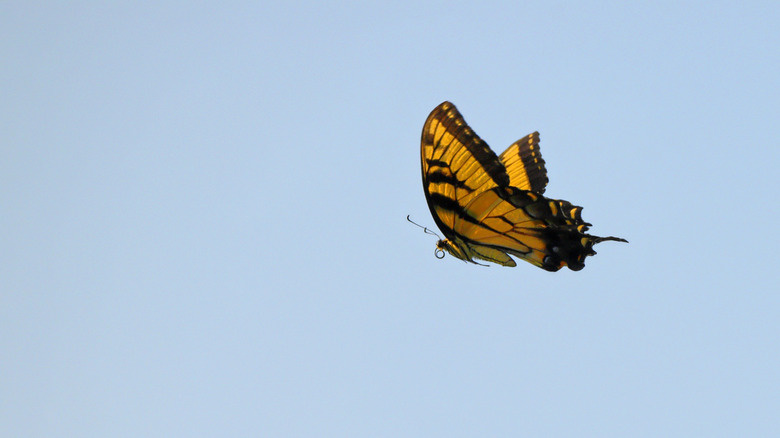
Let's be honest: gardens feel empty without butterflies. Luckily, though, attracting butterflies is easy. Often, all you have to do is plant some flowers, and they will come flying right in. The issue, however, is that some butterfly-attracting flowers are heavy feeders. Take, for instance, petunias and daylilies. Petunias, in particular, need to be fertilized every month and will fade if planted in nutrient-poor soil. Don't worry, though. There are also some flowers that you never need to fertilize. Butterfly weed (Asclepias tuberosa) and bee balm (Monarda didyma) are two great examples.
They are excellent picks for people looking to create a low-maintenance flower garden to attract butterflies and boost their home's curb appeal. Butterfly weed, for example, produces bold clusters of orange flowers packed with pollen and nectar. These flowers not only attract butterflies but also bees and hummingbirds.
Bee balm, on the other hand, has slender, tubular blooms in shades of pink, white, lavender, and purple. And despite its name, it also attracts butterflies and hummingbirds along with the bees. As for their fertilizing needs, they both do well without fertilizer. Even better? Both of these plants can handle drought and dry soils, too. Honestly, they are really great choices if you want to attract more butterflies to your garden without constantly fertilizing and watering.
Butterfly weed likes full sun and blooms in summer
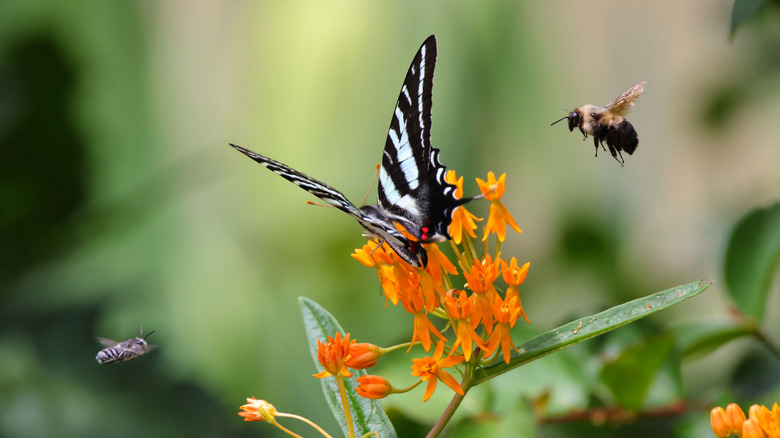
If you are planning to grow butterfly weed in your garden, it's best to choose a spot that gets full sun. Butterfly weed can grow in part sun, too. However, in shaded conditions, it does not flower as much. Other than that, make sure that the soil is well-drained and not nutrient-rich. It actually prefers poor soil. Also, keep in mind that butterfly weed is only hardy in USDA Hardiness Zones 3 to 9. If you live outside these zones, you will have to look for other flowers that grow best without fertilizer or grow it as an annual.
As for its size, butterfly weed grows about 1 to 2 feet tall and 1½ feet wide, and you can easily grow it from seed. Bear in mind, though, that it can take two to three years to bloom. So, if you want quick blooms, purchase pre-grown plants. Also, plant it in groups. Butterflies and other pollinators are naturally more attracted to dense clusters of flowers rather than scattered or isolated blooms. Just make sure that when you plant butterfly weed in clusters, you maintain a spacing of 1½ feet between the plants. Don't plant them too close together, as it can attract pests and diseases.
Bee balm has a minty scent and blooms in summer and fall
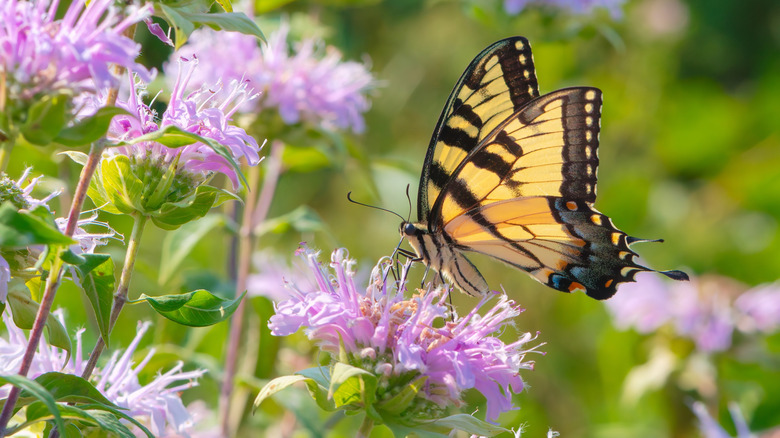
Just like butterfly weed, bee balm also prefers full sun. However, it's a little bit more adaptable to shaded conditions. Still, though, if you want it to bloom well, make sure to grow it in a spot that gets about six hours of sunlight daily. As for the soil, bee balm does best in moist, well-drained conditions, though once it's established, it can handle dry conditions as well. In fact, drier soil can help keep its spread in check. Just keep in mind, though, that in dry soils, its leaves may lose some of their richness.
Bee balm is also hardy in nearly the same zones as butterfly weed, except for zone 3. However, if you live in this zone, you can always grow it as an annual or in pots, then bring it indoors during the winter. Just make sure you choose the right containers. As for the size, bee balm grows nearly 2 to 4 feet tall and 2 to 3 feet wide. So, when planting in groups, make sure you maintain a spacing of about 18 to 24 inches between each one. This will ensure good airflow and keep the bee balm plants safe from fungal diseases like powdery mildew.