

Designers Explain The Difference Between Shabby Chic And Cottagecore
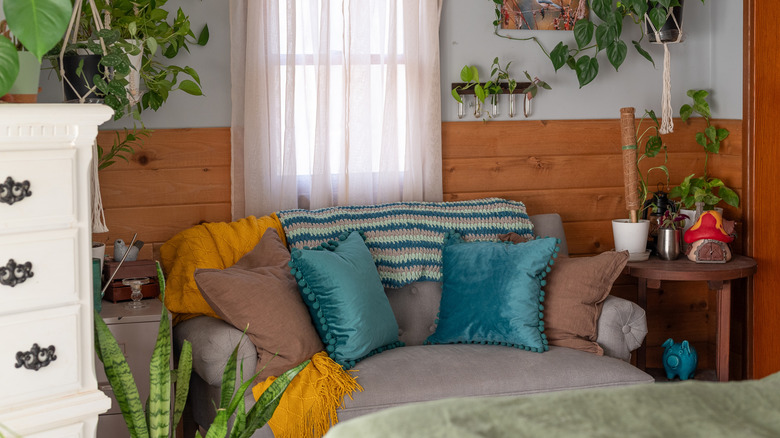
There's a noticeable shift away from cultivated spaces toward interiors that feel warm, cozy, and homey. Interior decorating styles like shabby chic and cottagecore, with their soft colors and antique furnishings, help meet that demand. But telling them apart can be confusing. To clarify the differences, we consulted two designers to learn how they define and conceptualize shabby chic and cottagecore homes.
While speaking exclusively to House Digest, Maggie Griesbeck, founder and principal designer of MNG Design, explained that both styles incorporate vintage furnishings, textiles, and accessories. While they pay a nod to the past, the intention is to create a space that feels welcoming, lived-in, and cozy. But the similarities end there. If you trace their timelines, you'll find that "shabby chic is a decorating style that has been around since the 1980s and 1990s, while cottagecore is a more recent trend that emerged in the late 2010s," Griesbeck adds.
Further explaining the differences, Morgan Stubbs, designer for Daley Home, adds in her exclusive interview, "Shabby chic provides a lived-in feel with feminine and quite often some dressy elements. Colors are more washed out and muted, while textures tend to include linens and distressed woods mixed with touches of velvet and lace." Cottagecore, in contrast, uses a less-matchy, more varied color palette to create an eclectic aesthetic that feels collected over time.
How is designing around these styles different?
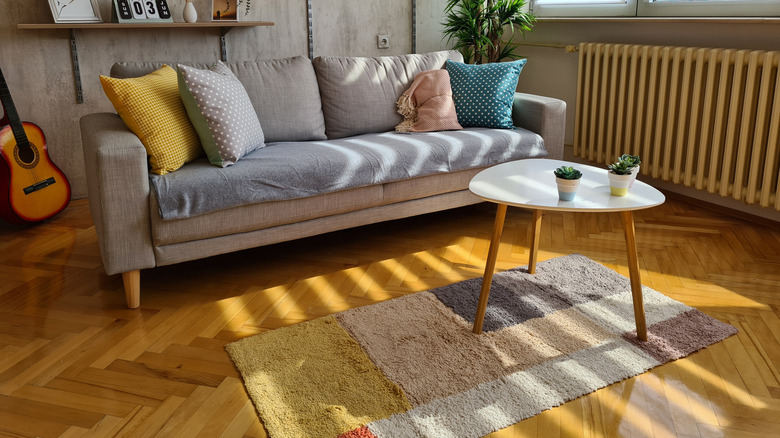
The convenient thing (or inconvenient, if you lack the necessary negotiation skills) about creating a design that relies on shabby chic décor is that you don't have to source new furniture. Instead, you can thrift it from flea markets and antique shops. "To achieve that relaxed look, we recommend slipcovered upholstery in comfortable fabrics, such as linen. Cozy rugs in wool or jute are also part of the aesthetic," explains Griesbeck in her exclusive House Digest chat. Stubbs shares a similar love for linen, employing it in bedding or upholstery. But she layers the design with "touches of velvet pillows or throws, lace trim, distressed woods, and crystal lighting accents," she revealed in her exclusive interview. Ultimately, the aesthetic strives to feel imperfect rather than overly designed.
While touching upon how to decorate with cottagecore décor, Griesbeck explains that the trendy aesthetic goes a step further than shabby chic. Essentially, cottagecore is a celebration of a slow, pastoral lifestyle, and draws on the styles common to English country cottages. For this reason, she recommends including "vintage textiles on cream linen sofas, cozy blankets, rustic wooden furniture, and vintage lamps and accessories" to achieve the look. Stubbs voices something similar, adding, "I would use a combination of rustic antiques, quilted fabrics, rich warm colors, and emphasize handmade treasures in accessories and décor." In short, furnishings that add a touch of whimsy, invoke nostalgia and country themes, and embrace sustainable lifestyle choices work brilliantly with this style.
Choosing between shabby chic and cottagecore for your home
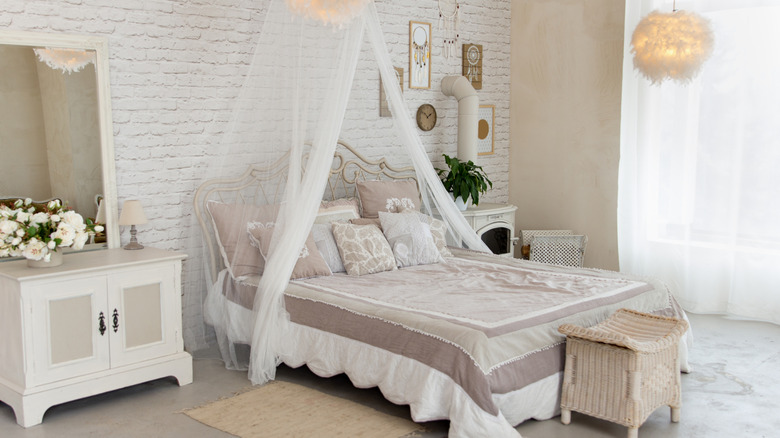
Before incorporating either of these rustic styles into your home, make sure they work with your home's location and architecture, advises Maggie Griesbeck, or they may feel out of place. She elaborates in her exclusive conversation with House Digest, "Shabby chic and cottagecore would look out of place in a contemporary or modern home, or a very large home. A home in an urban environment, particularly an apartment or condominium, would also be challenging to decorate in the cottagecore style, given that it celebrates a bucolic setting."
But once your heart is set on a nature-inspired aesthetic, think about whether you prefer a soft, feminine look or a more curated, storied style, suggests Morgan Stubbs. "Pros to a shabby chic aesthetic would be a soft, calming atmosphere." Unless, of course, you deem it too feminine or take umbrage at the elements that seem like they're on their last legs. Cottagecore, in contrast, may feel more approachable but requires more coordination and balance.
That being said, both designers favored cottagecore over shabby chic. Griesbeck, who credits her countryside upbringing with shaping her personal aesthetic, expressed appreciation for cottagecore's simple, romantic design. Stubbs loves it for "the feeling of a cozy, layered space that is full of stories and one-of-a-kind elements," noting "it gives a sense of classic elegance that can be lived in comfortably today and also passes down to generations to come."