

What's The Average Lifespan Of A Gravel Driveway?
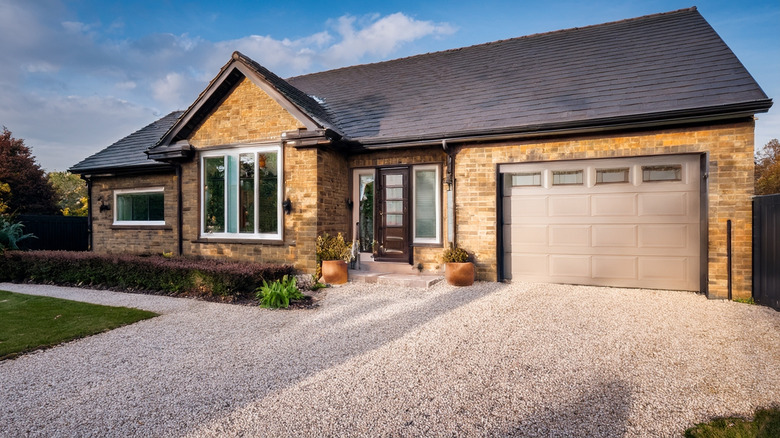
Putting in a gravel driveway is budget-friendly and easy, with plenty of color options to match your aesthetic. Unfortunately, gravel isn't a "set it and forget it" type of material. It can require some upgrading as years go by. Its longevity depends strongly on how well it is installed and cared for. A proper gravel driveway on average lasts between 10 to 15 years, but it can last longer depending on factors that include compaction, usage, and drainage.
One of the benefits of having a gravel driveway is that the loose stones allow for water to drain naturally. This helps resist eroding over time. However, a common problem with a gravel driveway is that the surface itself constantly shifts and needs periodic attention. An important facet of how long your driveway lasts isn't just the gravel, though – it's what's underneath it.
The stone is layered and compacted down and is built with a grid support system to hold it in place. Usually, it takes about 4 to 6 inches of larger stones for the base. Then, another 4 to 6 inches of smaller stones is added and pressed down, with an additional decorative 1- or 2-inch layer on top. Without that thick depth of stone, the gravel can move around easily. Compaction is a crucial step when adding a gravel driveway to ensure it doesn't shift. If not built well, it can lead to problems like bad drainage, potholes, and the need for other repairs.
How maintenance and the type gravel affect lifespan

The type of gravel you choose can make a difference in both the upkeep and lifespan of your driveway. Crushed angular stones lock together more tightly to help create more a stable surface. They are one of the best gravel options for your driveway. Pea gravel is rounded stones that can move easily and likely will need more frequent replacement after use. Marble chips look pretty, but need a border so they don't wash away. There's also crusher run gravel found in most stores, which is a mix of stones and fine sand. It compacts well and resists shifting.
Gravel is a loose material, so environmental elements can cause more movement. Heavy rain can accelerate the risk of erosion and in turn affect its lifespan. Locations with frequent snow requiring removal may need a lot of refilling. The shape and slope of your driveway can promote more movement with the gravel, too. Frequent use of your driveway or heavier vehicles can also wear down the stone more quickly.
One of the more important steps to increasing the lifespan is maintenance. There are some great pointers for maintaining your gravel driveway. Basic routine care such as raking and leveling to help redistribute stones and remove ruts is necessary. You may also want to add new gravel every few years to help ensure the depth stays the same throughout. Do some weeding to help prevent roots from growing and disrupting the gravel. Check it yearly to fix these minor issues and keep your driveway in peak shape.