

Not Concrete, Not Wood: The Natural Stone For The Most Durable, Beautiful Front Steps
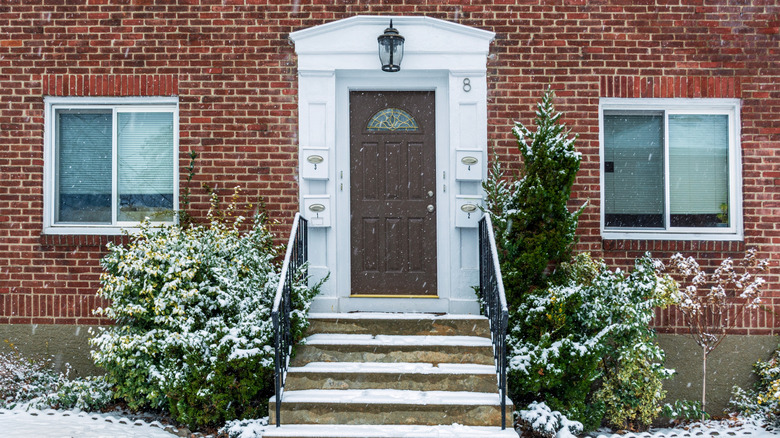
Outdoor steps face a lot of wear and tear, from heavy traffic to ice melt. When a homeowner is renovating their porch and weighing out what material to go for, they might wonder how differing options will hold up against the elements. Some of the most popular options aren't necessarily the best options overall. If you're ready to say goodbye to your concrete front porch and ditch your deteriorating wood porch steps, granite might be the perfect option for you.
This porch surface option instantly elevates your design, adding a warm, organic element to your home's exterior. Granite also boasts a compressive strength up to 19,000 pounds per square inch (psi), whereas concrete hovers around 3,000 to 5,000 psi. In plain language, that's an extremely durable material. A compressive strength like that can take on a lot of usage without sustaining much damage. Since it's so durable, this natural stone can last anywhere from 50 to 100 years, if not longer. Compare this to the 10 to 25 year lifespan of concrete steps and roughly 25 year lifespan of wood steps.
The freeze thaw cycle is one major factor that can influence durability. This unavoidable phenomenon can be tough on our home exterior. Water can expand 9% when frozen, which is enough to cause damage to solid rock if it has a way to seep in. This is a huge issue with materials like concrete. Water will absorb into the pores and cause micro fissures as it freezes. After a few years of this freeze-thaw cycle, the concrete will wear down. Unlike other materials, granite is not particularly porous, which means water won't have the opportunity to soak into this material and cause fractures when it freezes.
What else to know about choosing granite steps for your front steps
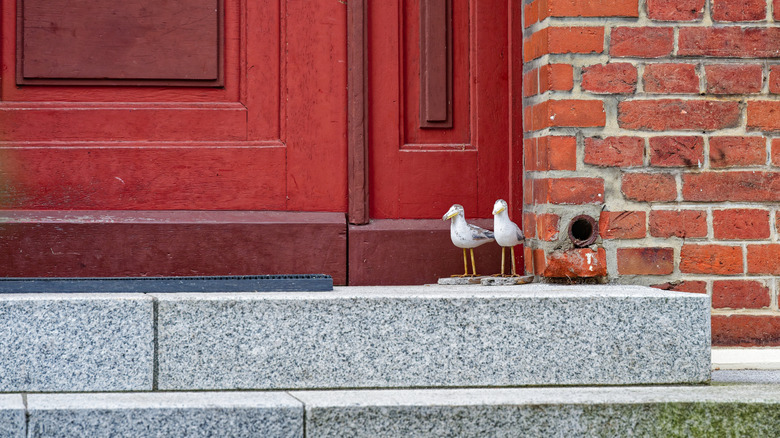
Each slab of granite is unique, featuring naturally varied speckles and grain. It comes in an array of colors including black, gold, gray, and blue. You can also opt for a thermal finish for added texture and improved grip. Granite maintains its appearance beautifully as the years wear on. Concrete, on the other hand, will deteriorate visually with time. Between traffic, sun exposure, rock salt, and moisture, this material will look markedly different even within a few years. Wood steps degrade even faster, succumbing to the elements quickly without extensive maintenance. Another benefit of this stone is it that it doesn't take as long to install as other materials. The pieces are pre-cut and simply need to be fit into place. If you're in search of a durable and stunning outdoor patio idea that won't take long to install, you can also consider using granite tiles.
Once installed, maintaining granite steps is a breeze. You'll just need to clean them regularly. To do so, start by sweeping off any debris. Next, add a small amount of mild dish soap to a bucket of warm water. You can also use a granite-specific cleaner. Either way, use a microfiber cloth or soft brush to scrub the granite. Never use harsh, acidic cleaners on your granite, as they can compromise its strength and cause damage. This material also benefits from being sealed on occasion, especially if it's a lighter color. Do so every six to 12 months. Keep all of this in mind and you can enjoy your granite steps for a lifetime.