

The Compact, Container-Friendly Flower That Keeps Butterflies Visiting All Summer
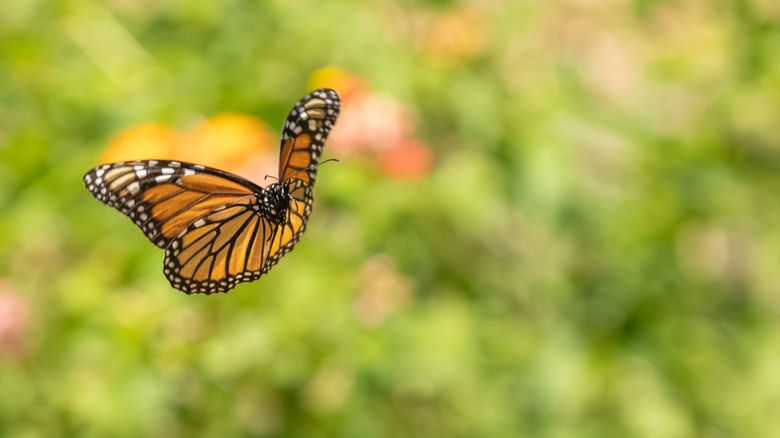
Aesthetics aren't only reason you want to attract butterflies to your garden this summer. Besides their gorgeous appearance, butterflies are an integral part of the pollination process and act as key indicators of a healthy ecosystem. If your garden has butterflies, that is usually a good sign your property is thriving. If you want to bring more butterflies to your home, there are a few different plants that these stunning invertebrates are known to enjoy, including the dwarf butterfly bush (Buddleja davidii). You can either add these plant to your soil or set them in containers around your garden. Not only are these plant compact and easy to grow, but they produce a delightful fragrance which you, and your new butterfly friends, can enjoy.
While you've most likely heard of a standard butterfly bush, dwarf butterfly bushes are, as you may expect, just smaller versions. Some still have full-sized blooms. Note that some butterfly bushes, like the dwarf blue butterfly bush, can be labeled as "dwarves." However, they are in fact standard size bushes with miniature blooms.
Unlike their full-grown family members, which can grow up to 10 or 12 feet tall, dwarf bushes typically only grow to about 2 to 4 feet in height. These are much more manageable for anyone with a smaller sized garden or backyard. Some popular dwarf varieties include the Pugster series, the Buzz series, the Lo & Behold series, and the Butterfly Candy series. You can find a wide selection of color options, from bright purples and pinks to whites and reds. Your garden's selection will of course depend on your area's USDA Hardiness Zone, but as a general rule of thumb, butterfly bushes are hardy Zones 5 though 9.
Tips on caring for a dwarf butterfly bush
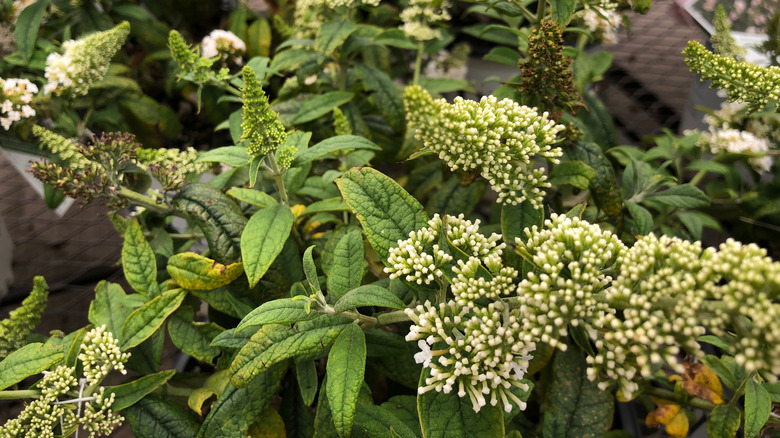
There are dozens of dwarf butterfly bush varieties to choose from for your garden, ranging in both color and size. Butterfly bushes are known for being easy to grow, and there are just a few basic steps of care they require. Once you've selected your dwarf variety, you can plant them into containers to place in your yard. Butterfly bushes require full sunlight with a minimum of six hours of direct sun per day. It's imperative that they are housed in containers with excellent drainage due to their temperamental roots. Make sure to prune your butterfly bush every year to keep it the size you desire.
It's important to note that some butterfly bushes are considered invasive in many parts of the United States, including Pennsylvania, California, Oregon, Illinois, and North Carolina. This Chinese native plant grows incredibly quickly and is known to take over native plants, making it an excellent candidate for container planting as opposed to planting it directly into the ground where it may spread.
However, there are some butterfly bush varieties that have been bred specifically to be non-invasive, including the Lo & Behold series you can purchase for your garden. One type of butterfly bush that is a great noninvasive option is the 'Blue Chip' variety. It's important to check which varieties might be banned from sale due to invasive status in your own state and which ones are not.