

Plant This Compact Tree Perfect For Small Gardens To Attract Birds And Beneficial Pollinators

You might be pleasantly surprised at how many birds will flock to a little garden when the right mix of trees, shrubs, and flowers are planted. For our feathered visitors, having a variety of plants and ample shelter from trees are some of the most important draws, even in small urban green spaces. If you have a small space to work with but want to maximize sightings of birds, butterflies, and other pollinators, plant a shadblow serviceberry (Amelanchier canadensis). They stay compact, reaching just up to 25 feet tall and 15 feet wide, and you don't need multiple trees for them to bear fruit. The native berried tree has many benefits: it's a great nesting spot and provides reliable nutrition for beneficial insects and a variety of birds, all while fitting into a limited footprint.
Shadblow serviceberry trees got their name because their flowers emerge around the time shad fish start swimming upstream. They can be grown outside in USDA Hardiness Zones 3 through 8. While they're an excellent choice for most gardens, think twice before planting a serviceberry if you have a lot of clay in your soil, as this might lead to root rot. The same is true for densely compacted soil. If you don't think this tree would thrive planted in the ground, the compact nature allows for planting in raised beds or big containers.
The benefits of growing shadblow serviceberry
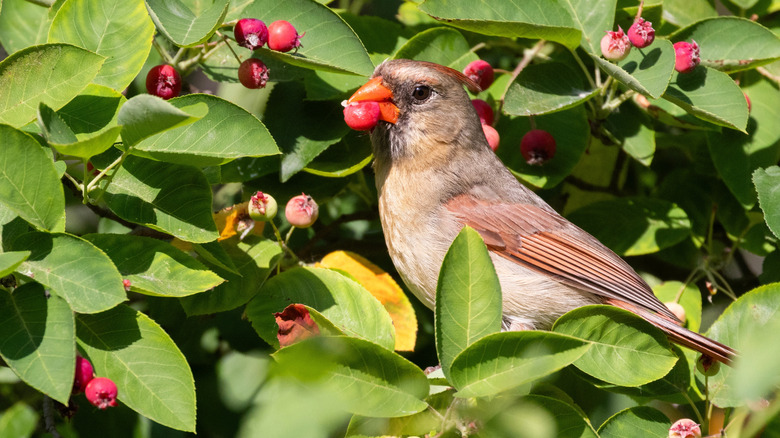
Whether it's the beginning of spring when their white flowers unfurl, the summer when their fruit develops, or autumn when their leaves offer a pop of color, shadblow serviceberry trees nourish many pollinators and birds. Red-spotted purple and viceroy butterflies treat the tree as a host, and all sorts of butterfly species, as well as hummingbirds and bees, frequent the flowers during their brief bloom time in March or April. Because the plant blooms before many others, it feeds the pollinators in need of nourishment when food is less abundant. Keep in mind that these flowers (and their resulting fruit) appear on 2- to 4-year-old stems, so it's worth inquiring about the age of the sapling when you're buying it.
The dark red or purple fruit of shadblow serviceberries, which are berry-like but more closely related to pears and apples, are a favorite food for birds. The stunning ornamentals will attract robins in any season since these birds feed on their small fruits that are ready to eat by June, as well as the protein-rich caterpillars that may be living on the tree. You may also see bluebirds, orioles, cardinals, goldfinches, chickadees, and other songbirds scouting for food (or even forming a nest) in its branches.
Tips and tricks for shadblow serviceberry planting
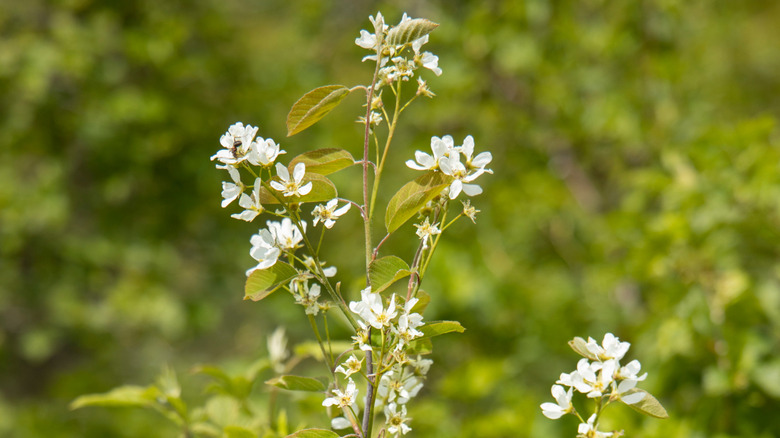
Since shadblow serviceberry trees are adapted to grow in bogs, you'll need well-draining and moist soil that is on the acidic side for best results when planting them. If you're not sure about the acidity, it may help to do a soil test. The pH should ideally be between 5.5 and 7. Plant this fruiting tree in the fall or spring so that it has time to build out a good root system before any intense weather. Choosing a spot where the growing tree is exposed to full sun can improve its fruiting, but give it some shade if you're in an area prone to high summer temperatures.
If you're planting a serviceberry brought home from the nursery in a container, a hole as deep as that container and twice as wide is suitable for planting. Sometimes they're sold as bare root trees without surrounding dirt, in which case you should measure from the root depth and width and water them more frequently for two weeks after you plant them. The shadblow serviceberry won't need to be pruned much for the first three years, but eventually it benefits from winter or fall pruning to remove crossed branches and let more light into the canopy. Also watch out for diseases like powdery mildew and pests like leaf miners and aphids.