

10 Designs That Prove The 1990s Were The Best Decade For Kitchen Appliances
We may receive a commission on purchases made from links.
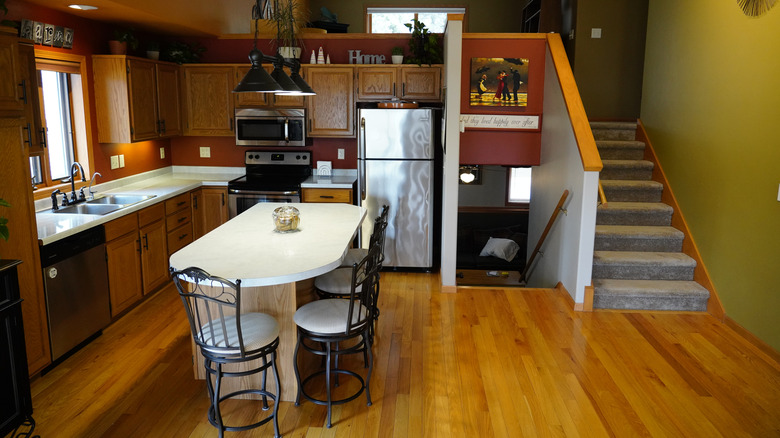
Let's be honest, the 1990s don't always get credit for cutting-edge kitchen style. While some outdated '90s kitchen cabinets are trending again in 2026, like oak, other features are definitely out. The '90s called and wants its L-shaped kitchen back! When it comes to appliances, however, the '90s were revolutionary. Inside those cozy, traditional kitchens that were often too dark for modern taste was a wealth of innovation. Nifty new tools were reshaping how people cooked, cleaned, and lived, transforming kitchens into the more efficient, social, and tech-forward rooms we're familiar with today. In fact, we would consider many of these conveniences modern — think sleeker layouts, faster cooking methods, and energy efficiency.
Built-in microwaves and side-by-side refrigerators were popularized in the 1990s because they streamlined kitchen layouts and blended functionality with polish. Induction cooktops gave us the ability to cook faster while saving energy. Double-wall ovens and rotisserie machines expanded the options for in-home cooking. Though innovative countertop appliances, like single-serve coffee makers and dehydrators, may be smaller, they championed convenience and customization like never before. In short, these '90s appliances introduced new ways to customize the cooking experience, changing expectations around speed, efficiency, and everyday usability that have carried into contemporary kitchens.
George Foreman Grills
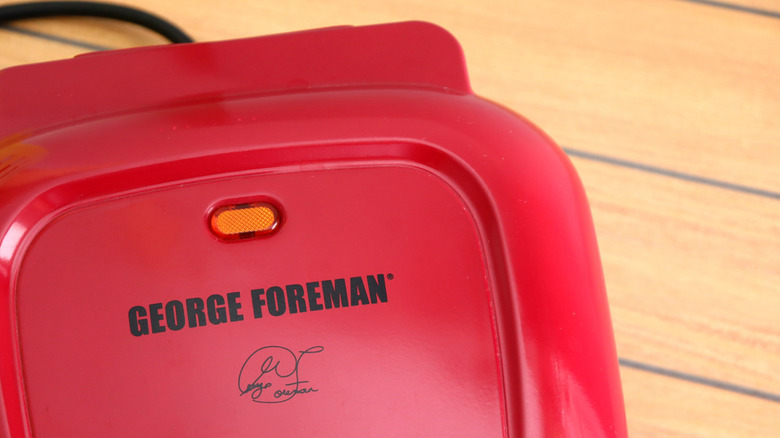
Countertop grills are commonplace in homes today, but it wasn't always that way. In 1994, a company named Salton developed a first-of-its-kind double-surface countertop grill that changed home cooking forever and enlisted renowned boxer George Foreman to promote it. These grills are part of the reason why George Foreman remains a household name, even after his passing in 2025. Despite being a patented design, the George Foreman Grill was followed by an endless string of similar appliances, creating a new market for indoor grills now worth over $1.6 billion worldwide.
Built-in microwaves
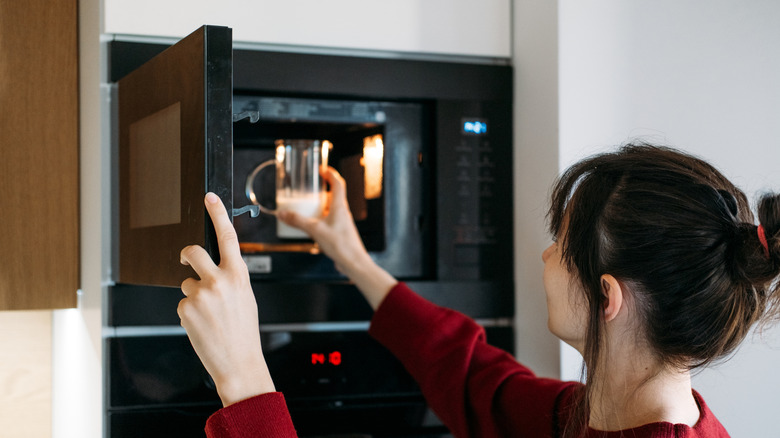
Microwaves had been around long before the '90s, but 1991 is when they transitioned from a luxury appliance to a common kitchen feature. Countertop and built-in microwaves evolved from large, clunky gadgets with expensive purchase and installation costs to compact, sleek appliances that would fit most household budgets. In fact, from the 1980s to the 1990s, microwaves went from being in 25% of American homes to up to 80% of American homes. The built-in microwave also fits neatly into the sleek kitchen aesthetic that was pioneered in the '90s and remains trendy today.
Induction cooktops
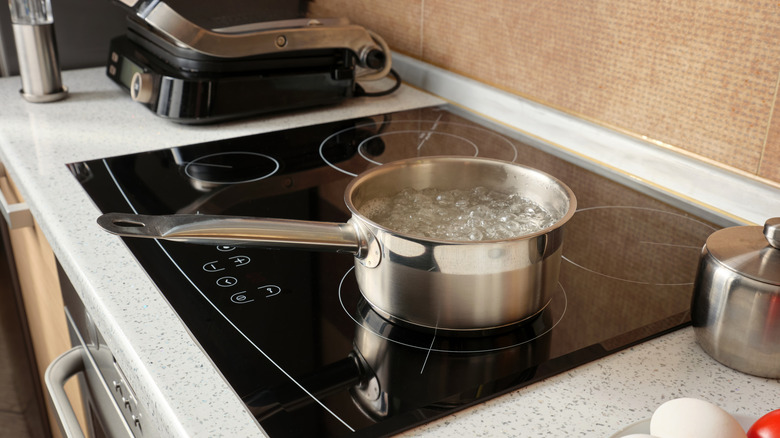
Induction is a cooktop trend that's making kitchens safer and more efficient in 2026. The cooktops use magnets to distribute heat over a glass-ceramic surface, a process that's considered more efficient and safer than most other alternatives. The technology is far from new. Induction cooking was patented in the early 1900s, long before induction cooktops became popular home appliances in the 1990s. However, they were not affordable for decades and also produced an unpleasant sound. By the 1990s, the noise problem had been fixed, and usage increased.
Wall ovens
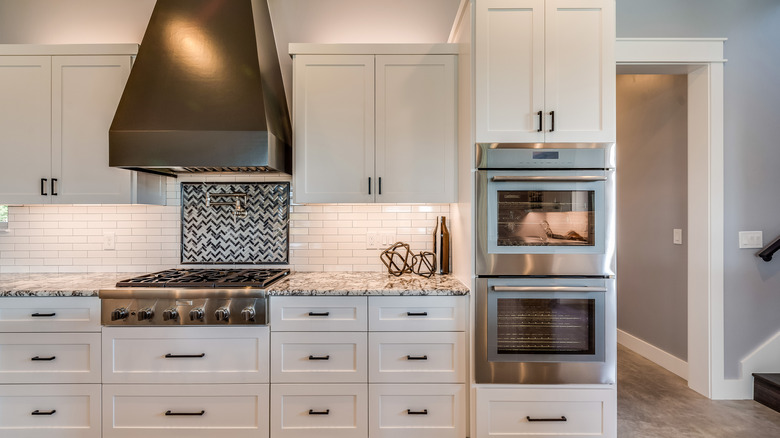
Microwaves weren't the only built-in appliance to gain popularity in the 1990s. Another design that took off in the era and has influenced kitchen layouts since is the wall oven. The benefits of wall ovens — and in particular, double-wall ovens — extend far beyond holding a full Thanksgiving dinner. While double-wall ovens were first seen in luxury kitchens in the 1970s, thanks in part to Julia Child using one on her PBS cooking shows, they didn't start appearing in everyday homes until the 1990s. The introduction of sleek mechanical controls instead of clunky manual controls aided their popularity.
Rotisserie ovens
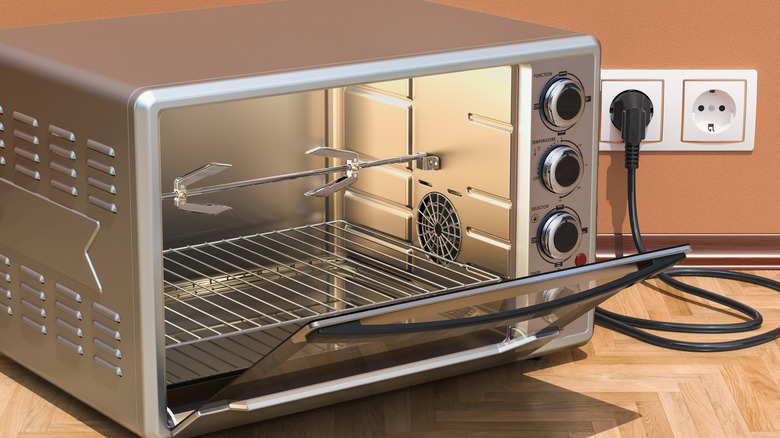
Rotisserie ovens may seem a bit old-fashioned now, but there was one important thing this kitchen appliance brought to everyday kitchens in the 1990s: customizable home cooking. Public interest in the cooking method was likely inspired by the appearance of rotisserie chickens in '90s grocery stores. Because of the need for ventilation and general cleanliness, certain cooking methods, like rotisserie cooking, were not common in homes. Rotisserie ovens brought a combination of commercial kitchens and backyard BBQ pits into the home in a compact, clutter-free, easy-to-operate package.
Single-serve coffee makers
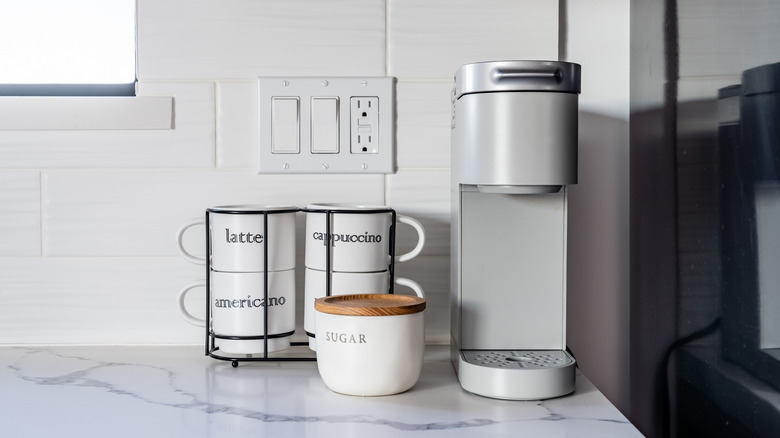
Single-serve coffee makers were popularized by Keurig, a company founded in 1992, to reduce coffee waste in office environments through the use of coffee pods. The convenience and innovation of both the coffee pods and a single-serve coffee maker helped the appliance spread from offices to homes faster than anyone expected — especially since single-serve coffee bags had been around since the early '50s. Today, the market for single-serve coffee makers is worth well over $800 million and growing. Competitors are actively innovating new eco-friendly pods and other options to address, ironically, sustainability concerns.
Side-by-side door refrigerators
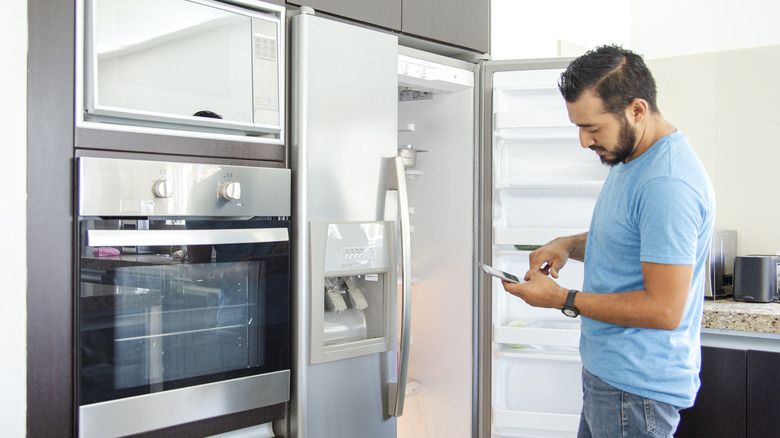
In 1994, GE released its first freestanding side-by-side door refrigerator. But the addition of the bottom freezer drawer in French door refrigerators helped popularize the design in the late '90s. Side-by-side door fridge-freezers were so well-received that they are one of the easiest ways to bring the '90s kitchen aesthetic into your home without having to channel dated decor. Stainless steel finishes on fridges were iconic in the 1990s, further enhancing the sleek kitchen design that homeowners were so enamored with at the time.
Dehydrators
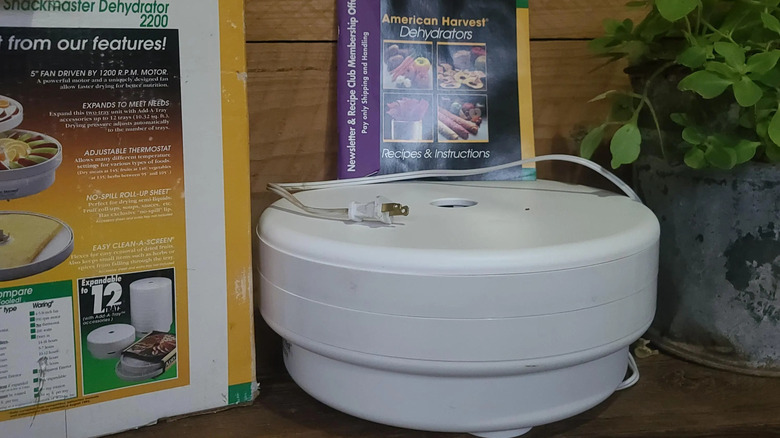
Dehydrating food is a practice that's thousands of years old, and the technology for commercial food dehydrators has existed in various forms for centuries. However, dehydrators weren't considered mainstream household appliances until the 1990s. With advancements in technology and the rise of infomercials, dehydrators found their way into many American homes in the era. This was a time when small countertop models became common, and new technologies introduced additional options for food preservation and dehydration.
Under-sink water filter systems
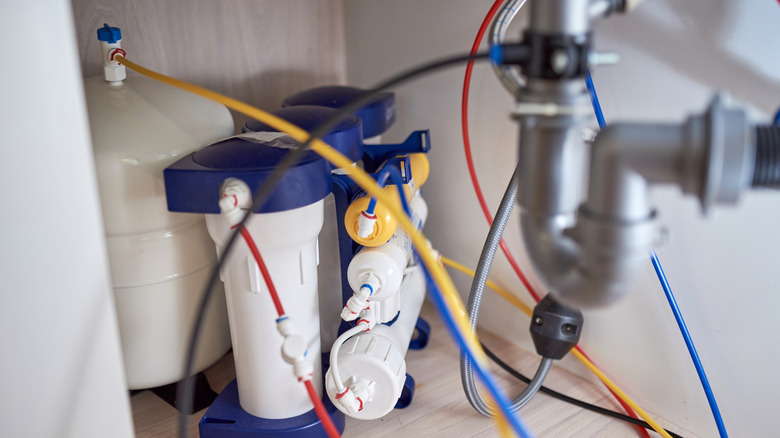
Point-of-use water filtration systems stepped up their game in the 1990s, and the technological advancements made during that time are still being used in homes today. The standards for water testing became stricter in the '90s due to numerous contamination scares and recalls. This led to a proliferation of safer, more accessible filtering appliances customized for home use. Some examples include charcoal filters, distillers, and reverse osmosis systems.
Energy-efficient appliance ratings
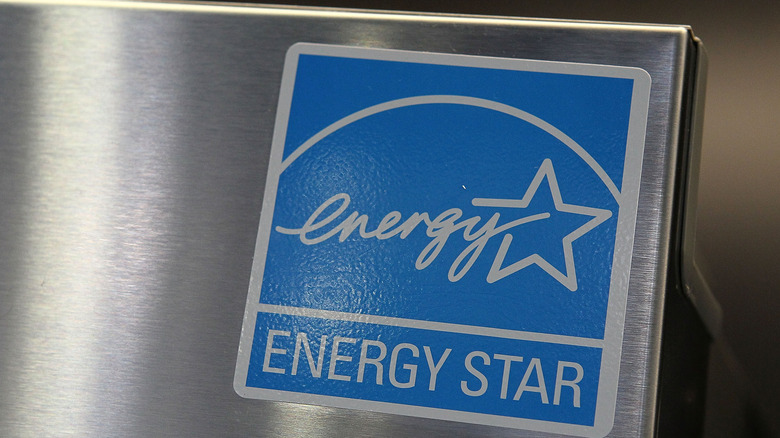
Homeowners have had a growing interest in sustainability for decades, and the 1990s were no different. In 1992, the United States Environmental Protection Agency (EPA) released the Energy Star program, which has become a widely recognized standard for kitchen appliances in America. The program incentivises companies to create more environmentally friendly products. To earn an Energy Star label, an appliance must meet certain energy use and emissions criteria. In turn, the reduced energy usage saves homeowners money, making buying new kitchen appliances a more affordable and appealing prospect.